Retinol in Skincare: how to use it safely?

Retinol, also known as vitamin A, is an ingredient that has been extensively researched and proven to make the skin appear younger; it stimulates cell turnover. Your cells regenerate faster, and the production of collagen and elastin is boosted. This is beneficial because as the skin ages, this process slows down naturally. With aging, cell turnover slows down, eventually leading to visible signs of skin aging such as pigmentation, fine lines, and dull skin. In short, retinol is the ultimate anti-aging ingredient!

For which skin concerns is retinol suitable?
Retinol is a suitable ingredient for ageing skin. This can start as early as age 25 because that’s when cell turnover begins to slow down, along with the production of collagen and elastin. Since retinol speeds up skin renewal, it also accelerates the shedding of old skin cells. Pigment cells are essentially pushed out of the skin through this cell turnover. Additionally, fine lines can be reduced by using retinol because they result from the decrease in collagen and elastin, the production of which is stimulated by retinol. These two substances help keep the skin firm and elastic.

How do you use retinol?
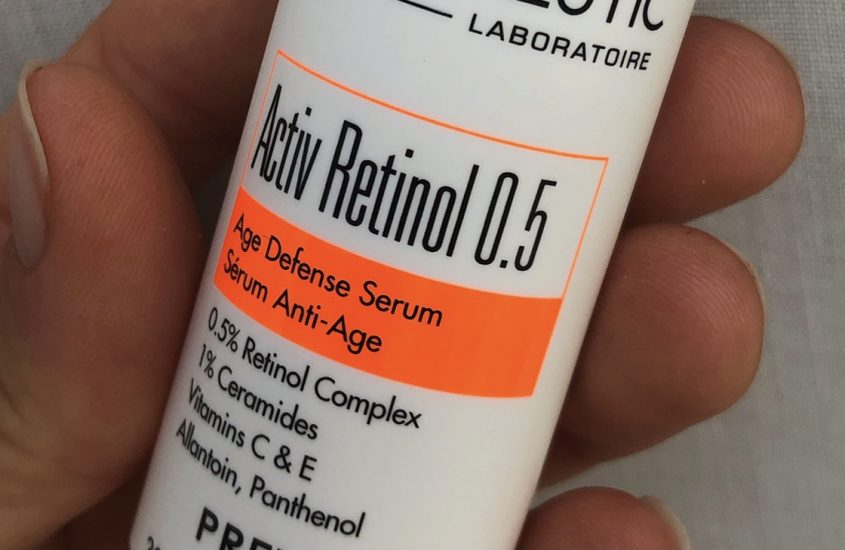
However, retinol is not always suitable for every skin type. Some skin types may react sensitively to retinol. It’s important to gradually introduce retinol into your skincare routine. Start with once a week, then twice a week. It’s good to know that retinol is an antioxidant and therefore cannot tolerate light and air. Therefore, only purchase products with retinol that are in light- and airtight packaging. Also, use retinol only in the evening, as it becomes unstable in sunlight.


My top 3 skincare ingredients

As a skin therapist, I always find it exciting to try out new ingredients, provided they suit my skin type, of course. Fortunately, I have an easy-going skin that doesn’t require too much maintenance. It tends to be a bit dry at times, leaning towards dehydration. That’s why I often look for products that provide hydration and nourishment. In this blog, I’ll share with you three ingredients that I use daily and especially what they can do for your skin.

Niacinamide (Vitamin B3) Suitable for: acne-prone and rosacea-sensitive skin, dry skin.
Niacinamide is a versatile ingredient that can be combined with other active ingredients. It can contribute positively to many different skin issues. As we age, the number of antioxidants in the skin decreases. Niacinamide is an antioxidant, and we need it to keep the skin resilient and strong against harmful external influences. It’s beneficial to replenish these antioxidants to help the skin resist aging signs.
Niacinamide helps strengthen the (disrupted) skin barrier and retain moisture. A damaged skin barrier struggles to retain moisture, which can trigger irritation such as redness and pimples. By strengthening the skin barrier, redness and irritation can be reduced.
Additionally, niacinamide has a mild exfoliating effect, which helps combat dull skin and fine lines. Finally, niacinamide is also effective against acne due to its anti-inflammatory properties. I prefer a serum containing niacinamide because it typically has a higher concentration.

Hyaluronic Acid (HA) Suitable for: dehydrated skin
Hyaluronic acid is a naturally occurring substance in the body, with more than half of it found in the skin. Its primary function is to retain moisture in the skin, allowing it to function optimally and keeping it “wrinkle-free,” so to speak. The action of hyaluronic acid can be compared to water being poured over cracked earth. You’ll notice the cracks disappear. Similarly, when the skin retains more moisture, it appears plumper and smoother.
There are serums containing hyaluronic acid that can significantly help your skin. However, if your skin is significantly dehydrated, the best way to give it a boost is through mesotherapy. This treatment, also known as a ‘skin booster treatment,’ involves injecting hyaluronic acid into the deeper layers of the skin using tiny needles. This process hydrates and strengthens your skin from within, reducing the visibility of fine lines.

Vitamin C (ascorbic acid) Suitable for: all skin types, dull skin.
You might think it’s easy to squeeze extra oranges in the morning, hoping your skin will absorb some of it. However, unfortunately, only 1% of this reaches the skin, so we need to apply these vitamins from the outside to nourish the skin.

Vitamin C naturally occurs in our skin. Due to sun exposure, vitamin C breaks down, making the skin less resilient. Products containing vitamin C are therefore popular because they provide the skin with many benefits. The antioxidant properties of vitamin C protect your skin against harmful external influences such as UV radiation and pollution. At higher concentrations, vitamin C also has brightening effects on superficial pigmentation by stimulating collagen production. So, it’s also a good ingredient for evening out the skin tone.


There, those were the ones. If you have any questions about the products I use and enjoy using, feel free to send me a message. Perhaps I can help you further 😉

Love, Fabienne
This is why a standard skincare routine doesn’t work.

You want to rebalance or improve the condition of your skin. So, you start your quest for the right products, using your skin type as a starting point. Products are often selected based on whether you have oily or dry skin. Perhaps you can relate to this. While that’s perfectly fine, to truly see improvement in your skin condition, you should look beyond just your skin type. Let me explain how and why.

When pimples occur, it’s often assumed that one has oily skin. Excessive sebum production, along with the presence of the “P. acnes bacterium,” indeed causes pimples. However, this is not the sole cause of pimple formation or inflammatory reactions.

There are various factors that disrupt the balance of our skin and can lead to an inflammatory response. Some factors that can cause this include:
  • Incorrect product/ingredient usage;
  • Using water that is too hot during cleansing (often, people also cleanse their skin in the shower, which may be a few degrees too warm);
  • Using harsh tools such as a cleansing brush;
  • lack of sleep;
  • high amount of stress; 
  • Excessive sun exposure.

These are often the most common factors that I see within my practice that lead to skin problems. Often, the skin barrier is out of balance or damaged, and your goal is to restore it. When your skin barrier is out of balance, the following problems may occur: redness, pimples, extremely dry skin, dehydrated skin, or hyperpigmentation. It’s important to consider all of the above factors if you want to improve your skin condition, but let’s focus on the right skincare for now. Understand that it’s not necessarily the case that if you have pimples, products designed for oily skin will help you. Let alone a standard skincare routine. Finding the right products is personalized. It’s different for everyone because every skin is different. But how do you know exactly which products you need?

Hoe?

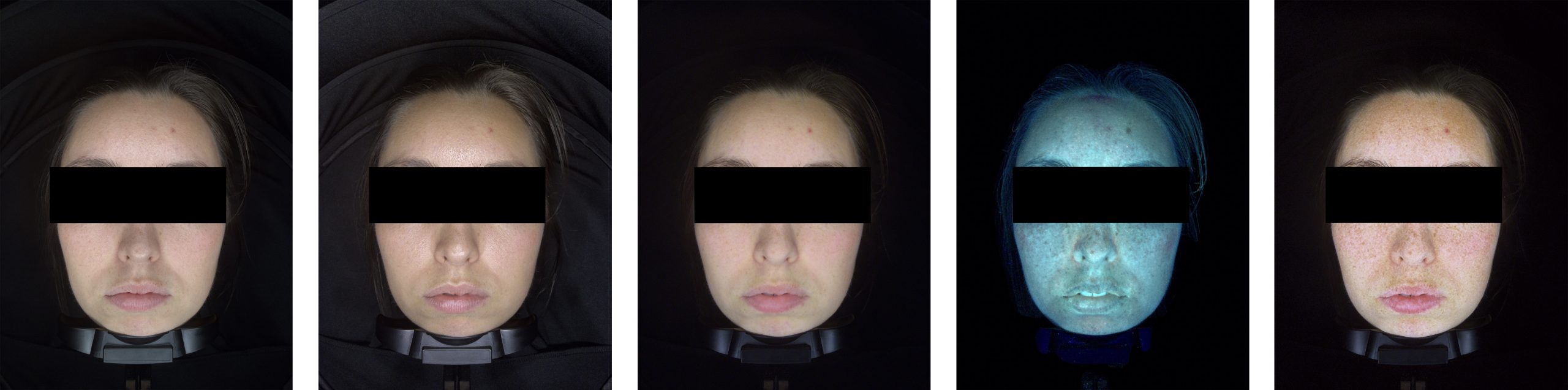
In many skin therapy practices, it’s possible to undergo a so-called “skin analysis.” Using devices like the Observ 520, multiple photos of various skin layers are taken. The following skin characteristics are captured:

  • Redness, circulatory problems, couperose
  • Inflammation
  • Sebum production
  • Dehydrated skin
  • Superficial and deep pigmentation damage

Just to give an example: what I often see in practice is that many people have dehydrated skin and a lack of antioxidants. As a result, the skin becomes less resilient. These characteristics can be identified in the photos, and based on this, a personalized plan can be developed to improve your skin condition. It’s essential to seek advice from a specialist or a skin therapist to determine which products are suitable for your skin to improve its condition. Many practices offer skin analysis sessions without obligation. So, it’s always worth trying 😉

Voorbeeldfoto’s huidanalyse met de Observ 520

Any questions left? Please ask down below.

Love, Fabienne

This site is registered on Toolset.com as a development site.