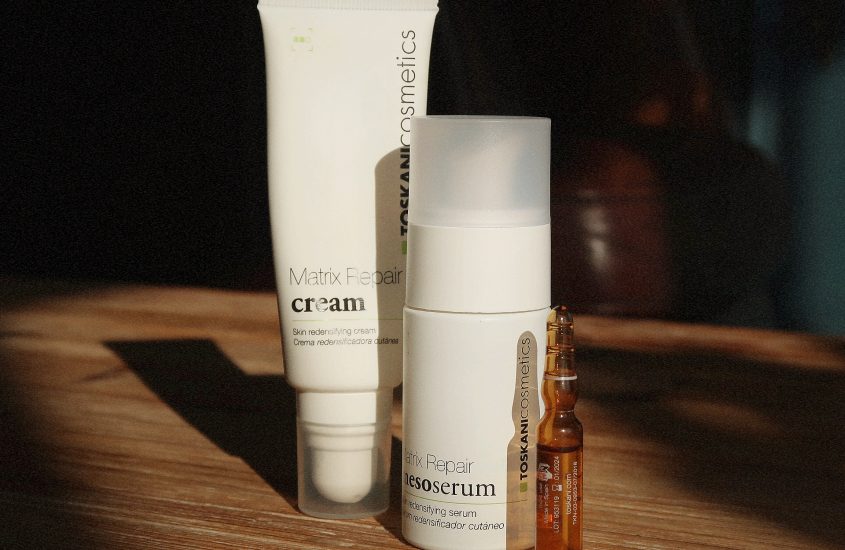
The difference between serum and moisturizer.

The function of a serum A serum can be used as an addition to your skincare routine because it targets specific skin concerns. These concerns may include issues like acne, hyperpigmentation, dehydrated skin, or dullness. A significant difference between a cream and a serum is that the percentage of active ingredients in a serum is higher, providing that extra boost where needed. Another important distinction is the texture. A serum is thinner – often a bit gel-like – allowing it to penetrate deeper into the skin. Once it reaches this depth, the serum can start working its magic. When choosing a serum, consider your skin type and decide which problem you want to address. For instance, if you have dehydrated skin, opt for a serum with hyaluronic acid. Or if you have sun-damaged skin with pigmentation issues, choose a serum with vitamin C. Unlike a cream, a serum does not contain SPF. Therefore, a serum is not a replacement for a cream. Make sure to always apply cream during the day to protect your skin.

Price tag Serums are generally more expensive skincare products compared to others. You’re paying for the percentage of active ingredients in a serum, which also needs to remain concentrated and stable. And that comes with a price tag.

Function of a cream The function of a cream is quite straightforward: the right cream (suited to your skin type) ensures hydrated skin. A cream has a richer texture and essentially seals in a serum. This creates a barrier layer that protects and hydrates your skin throughout the day.

How to use First, cleanse your face, then apply a serum suitable for your skin type and concerns, and finish with a cream. A cream also helps the serum stay in place within the skin.

If you’re curious about your skin condition and whether it can be improved, consider visiting a dermatological clinic in your area and seek advice from a skincare professional. ♥

This is why a standard skincare routine doesn’t work.

You want to rebalance or improve the condition of your skin. So, you start your quest for the right products, using your skin type as a starting point. Products are often selected based on whether you have oily or dry skin. Perhaps you can relate to this. While that’s perfectly fine, to truly see improvement in your skin condition, you should look beyond just your skin type. Let me explain how and why.

When pimples occur, it’s often assumed that one has oily skin. Excessive sebum production, along with the presence of the “P. acnes bacterium,” indeed causes pimples. However, this is not the sole cause of pimple formation or inflammatory reactions.

There are various factors that disrupt the balance of our skin and can lead to an inflammatory response. Some factors that can cause this include:
  • Incorrect product/ingredient usage;
  • Using water that is too hot during cleansing (often, people also cleanse their skin in the shower, which may be a few degrees too warm);
  • Using harsh tools such as a cleansing brush;
  • lack of sleep;
  • high amount of stress; 
  • Excessive sun exposure.

These are often the most common factors that I see within my practice that lead to skin problems. Often, the skin barrier is out of balance or damaged, and your goal is to restore it. When your skin barrier is out of balance, the following problems may occur: redness, pimples, extremely dry skin, dehydrated skin, or hyperpigmentation. It’s important to consider all of the above factors if you want to improve your skin condition, but let’s focus on the right skincare for now. Understand that it’s not necessarily the case that if you have pimples, products designed for oily skin will help you. Let alone a standard skincare routine. Finding the right products is personalized. It’s different for everyone because every skin is different. But how do you know exactly which products you need?

Hoe?

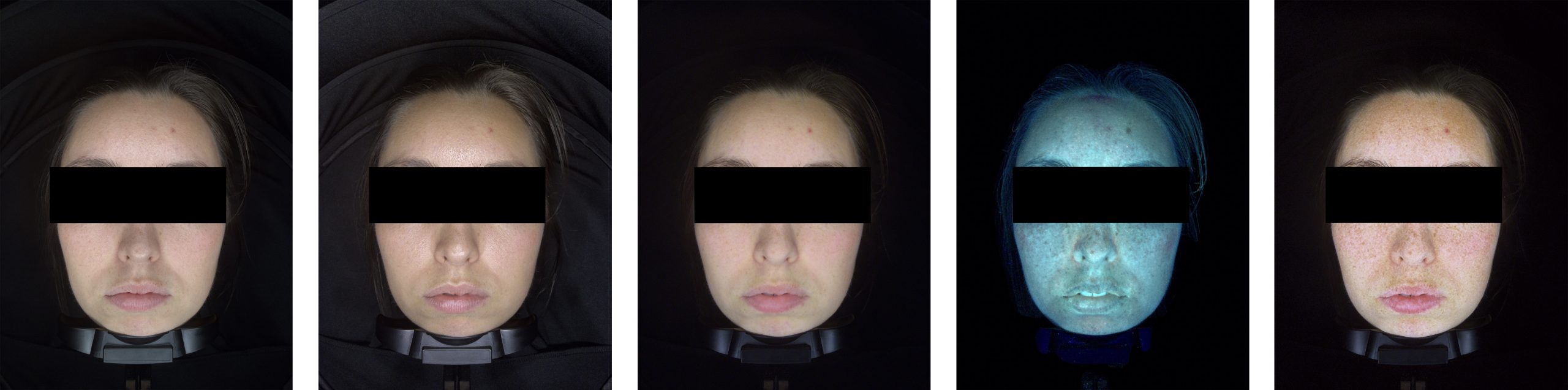
In many skin therapy practices, it’s possible to undergo a so-called “skin analysis.” Using devices like the Observ 520, multiple photos of various skin layers are taken. The following skin characteristics are captured:

  • Redness, circulatory problems, couperose
  • Inflammation
  • Sebum production
  • Dehydrated skin
  • Superficial and deep pigmentation damage

Just to give an example: what I often see in practice is that many people have dehydrated skin and a lack of antioxidants. As a result, the skin becomes less resilient. These characteristics can be identified in the photos, and based on this, a personalized plan can be developed to improve your skin condition. It’s essential to seek advice from a specialist or a skin therapist to determine which products are suitable for your skin to improve its condition. Many practices offer skin analysis sessions without obligation. So, it’s always worth trying 😉

Voorbeeldfoto’s huidanalyse met de Observ 520

Any questions left? Please ask down below.

Love, Fabienne

This site is registered on Toolset.com as a development site.