Een lesje van Tolle, met een vleugje van Fabbie

We krijgen allemaal te maken met ups en downs in ons leven, zo gaan die dingen. En ja, ook ik heb even een down periode gehad. Kan gebeuren ;). En de downs ervaar ik zelf natuurlijk als zeer onprettig, maar ik stel mezelf tegelijk ook de vraag: welke les ga ik uit deze gebeurtenis/situatie halen? Tot welke nieuwe inzichten kom ik? En wat kan ik doen om hier juist sterker uit te komen? Persoonlijke groei en ontwikkeling vind ik zelf erg belangrijk en dat stopt nooit. Soms heb je dan even een klein duwtje nodig om tot nieuwe inzichten te komen. Zo kreeg ik dus als tip om ”De kracht van het Nu” van Eckhart Tolle te gaan lezen. Een onwijs populair boek waar ik meerdere mensen al lovend over heb horen praten. Op de een of andere manier heb ik dit boek lang afgezworen door de slogan: ”Gids voor een bewust en gelukkig leven”, pff zo zwaar… Anyway, I gave it a shot. Ik vertel je graag wat ik ervan opgestoken heb. So here we go.

Eerst even een korte samenvatting van het boek voordat we verder gaan:

De kracht van het Nu’ is hét spirituele boek van het afgelopen decennium. Het beschrijft een boodschap die wereldwijd al miljoenen mensen bewuster heeft gemaakt. Want, we zijn ons denken niet. Eckhart Tolle nodigt je uit om jezelf van je verstand te bevrijden. Om je ware zelf en je identificatie met je onechte zelf, je ego, te laten varen. Zo verlos je jezelf van psychische pijn. Iedereen die zich overgeeft aan het Nu zal hierin slagen! Het leven is een aaneenschakeling van momenten in het Nu. Alles gebeurt in het Nu en alles vinden we in het Nu. Als we ons hiervan bewust worden, vinden we schoonheid, liefde, geluk, creativiteit, innerlijke vrede en bovenal ons ware zelf.

Mijn visie:
Ik vind dat er zeker wel een kern van waarheid zit achter deze filosofie. Men mag these day’s inderdaad wel iets meer bewust worden van het ”Hier en Nu principe”. Maar ook meer stilstaan bij de mooie dingen van het leven en de kleine dingen leren waarderen.
Ik denk alleen dat als je je gevoel constant forceert door in het ”Hier en Nu” te willen leven, er minder ruimte overblijft voor zelfreflectie. Ik denk zelf dat daarin je persoonlijke ontwikkeling en groei ligt. We krijgen allemaal te maken ups en downs in het leven en ik denk namelijk vooral wél na over deze gebeurtenissen. Haal de lessen hieruit maar blijf er niet te lang in hangen. Het gevaar is dat je je een slachtoffer kan voelen van gebeurtenissen die ons zijn overkomen en zolang je in die zogenaamde spiraal blijft kom je niet vooruit.

So here’s the thing…
Don’t overthink situations, want daar gaat het mis. Gedachtes kunnen je helemaal gek maken. Belangrijk is om onderscheid te maken tussen je rationele denkwijze en je angstengedachtes. Het geeft mij rust om te blijven nadenken over datgene wat berust op feiten of op wetenschappelijke grond. De ”wat als” en ”stel je voor” of de ”misschien”… Men o men, dit kan je echt gek maken en deze gedachtes zijn uiteindelijk zinloos. Wees vooral eerlijk naar jezelf als het aankomt op keuzes maken. Luister dan naar je onderbuik/intuïtie/gevoel. Lijkt een relatie niet te werken, een vriendschap, een bepaalde samenwerking? Dan is het misschien beter om er mee te kappen. En dat is natuurlijk makkelijk gezegd, want je eigen waarheid erkennen is een van de moeilijkste dingen die er kan zijn. Maar ik kan je vertellen dat het gevoel van opluchting beter is dan die eindeloze negatieve spiraal, als je begrijpt wat ik bedoel.

Tot slot…
Als je nou echt een rot dag of periode heb, ga er dan niet tegen vechten, want dat kost echt veel energie om te doen alsof alles oké met je gaat. Heel vermoeiend. Als het kut gaat, gaat het gewoon even kut. Better days will come. Herpak jezelf en omring jezelf dan met fijne mensen, leuke film/serie, goed boek, muziek, whatever works for you. Maar forceer je mood niet. Laat het er gewoon even zijn maar zoals ik eerder schreef, blijf er niet te lang in hangen.

Oke dat was hem weer. Op of aanmerkingen zijn meer dan welkom! Welterusten voor vanavond, fijne dag. Lots of love and kisses. 

Fab s.

P.s: what doesn’t kill you makes you stronger, keep that in mind kids 😉

Bron: De kracht van het nu (Eckhart Tolle). Geraadpleegd op 02-03-2021 van: https://www.bol.com/nl/p/de-kracht-van-het-nu/9200000014954399/?bltgh=uRS9-AAynP5-mvIeqoNJ1g.4_12.13.ProductTitle
This is why a standard skincare routine doesn’t work.

You want to rebalance or improve the condition of your skin. So, you start your quest for the right products, using your skin type as a starting point. Products are often selected based on whether you have oily or dry skin. Perhaps you can relate to this. While that’s perfectly fine, to truly see improvement in your skin condition, you should look beyond just your skin type. Let me explain how and why.

When pimples occur, it’s often assumed that one has oily skin. Excessive sebum production, along with the presence of the “P. acnes bacterium,” indeed causes pimples. However, this is not the sole cause of pimple formation or inflammatory reactions.

There are various factors that disrupt the balance of our skin and can lead to an inflammatory response. Some factors that can cause this include:
  • Incorrect product/ingredient usage;
  • Using water that is too hot during cleansing (often, people also cleanse their skin in the shower, which may be a few degrees too warm);
  • Using harsh tools such as a cleansing brush;
  • lack of sleep;
  • high amount of stress; 
  • Excessive sun exposure.

These are often the most common factors that I see within my practice that lead to skin problems. Often, the skin barrier is out of balance or damaged, and your goal is to restore it. When your skin barrier is out of balance, the following problems may occur: redness, pimples, extremely dry skin, dehydrated skin, or hyperpigmentation. It’s important to consider all of the above factors if you want to improve your skin condition, but let’s focus on the right skincare for now. Understand that it’s not necessarily the case that if you have pimples, products designed for oily skin will help you. Let alone a standard skincare routine. Finding the right products is personalized. It’s different for everyone because every skin is different. But how do you know exactly which products you need?

Hoe?

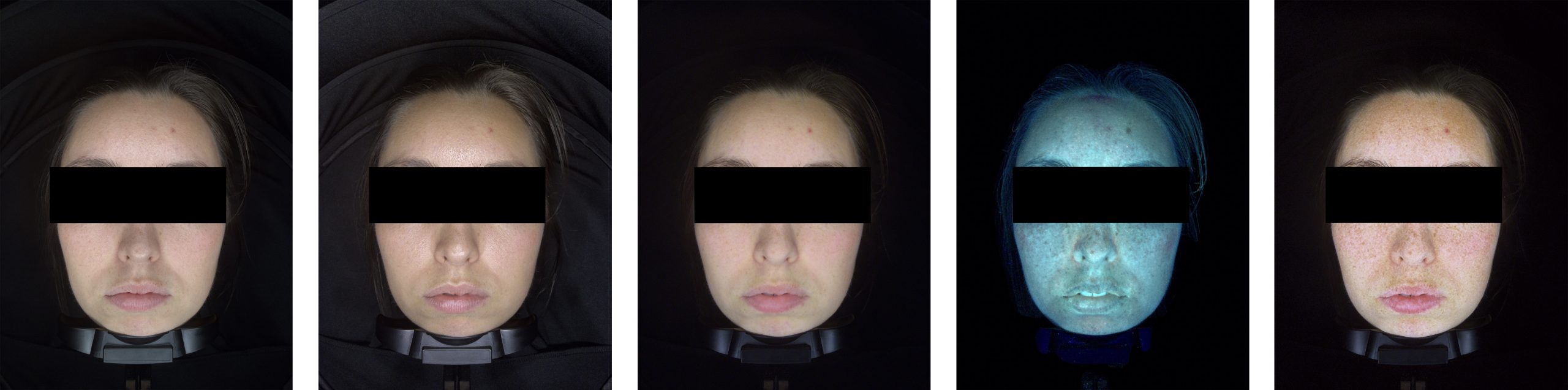
In many skin therapy practices, it’s possible to undergo a so-called “skin analysis.” Using devices like the Observ 520, multiple photos of various skin layers are taken. The following skin characteristics are captured:

  • Redness, circulatory problems, couperose
  • Inflammation
  • Sebum production
  • Dehydrated skin
  • Superficial and deep pigmentation damage

Just to give an example: what I often see in practice is that many people have dehydrated skin and a lack of antioxidants. As a result, the skin becomes less resilient. These characteristics can be identified in the photos, and based on this, a personalized plan can be developed to improve your skin condition. It’s essential to seek advice from a specialist or a skin therapist to determine which products are suitable for your skin to improve its condition. Many practices offer skin analysis sessions without obligation. So, it’s always worth trying 😉

Voorbeeldfoto’s huidanalyse met de Observ 520

Any questions left? Please ask down below.

Love, Fabienne

HOW DO WE KEEP OUR SKIN BARRIER HEALTHY?

Our outer skin layer (the epidermis) forms the skin barrier and plays a vital role. As the name ‘barrier’ suggests, this natural skin layer protects our skin from harmful external influences. To give you a clear picture, you can compare the skin barrier to the building blocks of a house. The building blocks protect the house from external influences such as wind, cold, heat, and rain. Essentially, the skin barrier does the same and shields us from external factors such as:

  • UV rays from the sun
  • Light from our phones/tablets, etc. (blue light)
  • Environmental pollution
  • Aggressive or incorrect skincare products
  • Taking showers that are too hot

But also stress, diet, and lack of sleep can disrupt the skin barrier in the long term (internal factors). When the skin barrier is compromised, these external factors can more easily penetrate the skin and cause damage. Additionally, the skin is not able to retain moisture effectively, leading to dehydration.


The characteristics of a disrupted skin barrier include:

  • red skin
  • (quickly) irritated skin
  • comedones
  • pimpels
  • hyperpigmentation (pigmentspots)
  • fine lines
  • wrinkels
  • dull skin
  • dehydrated skin
  • itchy skin

Often, people have a combination of one or more of the factors mentioned above. But fortunately, the skin barrier can also be restored.

How do we keep the skin barrier healthy?
Start by reversing the factors mentioned above, for example, avoiding hot showers and protecting your skin from the sun using the right sunscreen. Also, it’s good to scrutinize the products you use daily. It’s possible that the products you’re using are too aggressive or not suitable for your skin type. It’s also not advisable to use cleansing brushes as they can be too harsh. If you wear a lot of makeup, it’s better to cleanse your skin twice with a cleanser.

When your skin barrier is disrupted, your skin may also be dehydrated, as mentioned earlier. In that case, it’s good to add a serum with hyaluronic acid to your daily routine. Hyaluronic acid helps retain moisture in the skin, thereby firming and soothing it.

Redness can also be caused by a disrupted skin barrier, but genetic predisposition often plays a role as well. How it develops varies from person to person. For some, it’s genetic, for others, it’s due to incorrect product use. The skin is often red when there are inflammations present, such as pimples. It’s important to soothe the skin well with the right products in such cases.

Hyperpigmentation in the form of age spots or post-inflammatory hyperpigmentation (PIH) – pigment spots after inflammation, is also caused by a disrupted skin barrier. The sun essentially has “free access” to cause pigmentation damage in the skin when it’s not properly protected and isn’t capable of protecting itself. This also happens when you don’t protect yourself daily with an SPF against the sun.

Wanna check your skincondition? Go to a practice for a consultation and see what your therapist can do for you. Goodluck!

Love, Fabienne

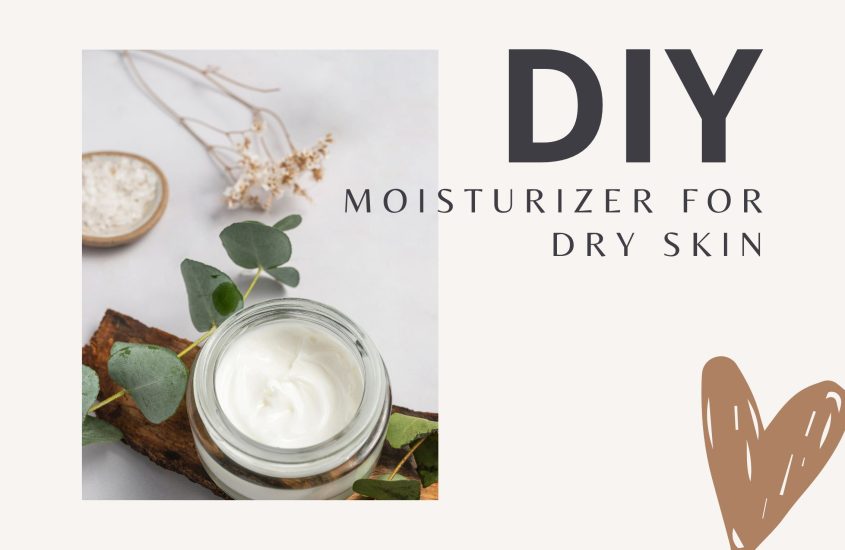
DIY: moisturizer for dry skin

I love making my own moisturizer, and I mainly use them to moisturize my body. By selecting the ingredients yourself, you can tailor the moisturizer to meet your skin’s specific needs, which I find to be the best part. There are several different methods for making your own moisturizer. In this blog, I’ll show you a very simple method for making a basic moisturizer with just four ingredients. At the bottom of this blog, you’ll find an instructional video, but be sure to read through this blog first before you start!

Kies ingrediënten die bij jouw huidtype passen:

 Dry SkinOily SkinSensitive Skin
Oil Type (organic)Avocado oil
Coconut Oil
Olive Oil
Argan Oil
Almond Oil
Line Seed Oil
Almond Oil
Hazelnut Oil*
Wild Rose Oil
Jojoba Oil
EmulsifierLamecrèmeLamecrèmeLamecrème
Thickners/ButtersCacao Butter
Shea Butter
Cacao Butter
Mango Butter
Shea Butter
Water SortDistilled Water
Rose Water
Distilled Water
Rose Water
Distilled Water
Rose Water
There are many more ingredients you can add to your moisturizer, but based on this schedule, I’ll give you an idea of where to start your search. *be careful with allergies!

Supplies for 100 ml /  3.3 fl. oz. Moisturizer: 

  • Small beaker glass (100 ml)
  • Large beaker glass (1Litre)
  • 2 small glasses or saucers
  • Thermometer
  • Stirrers
  • Digital scale
  • Alcohol 96%
  • 1 cotton pad

  • 225 grams organic oil by choice
  • 8 grams lamecreme
  • 4 grams butter such as mango or shea butter
  • 63 grams of distilled water

Step 1
Wash your hands and clean the materials. Apply some alcohol to the cotton pad and wipe the inside of the beaker glasses, the scale, and the thermometer.

Step 2
Weigh each ingredient separately. Weigh 63 grams of water in a small beaker glass. This is the water phase. In a large beaker glass, weigh 25 grams of oil. Weigh 8 grams of moisturizer base on a separate saucer or in a glass, and 4 grams of butter. Add the moisturizer base and butter to the oil. This is now the oil phase.

Step 3
Heat the beaker glass with the water phase and the oil phase in a double boiler. Remove them from the heat source when the oil is clear (meaning the butter and moisturizer base are dissolved). Neither phase should exceed 70 degrees. 

Step 4
Gradually add the water to the oil while stirring continuously. Do not do this the other way around! Stir for at least 10 minutes until a homogeneous mixture is formed. After a few minutes, the mixture will start to look flaky. At this point, the oil and water will begin to bind. Continue stirring vigorously.

Step 5
Let the mixture cool to 40 degrees. Optionally, add fragrance and/or preservatives. When the mixture is completely cooled, you can store it in a jar or dispenser. I always prefer a dispenser because it keeps the moisturizer fresh for longer without exposure to bacteria, light, or air.

Cold Pressing
There are different methods for obtaining vegetable oils. One of those methods is cold pressing, where the oil is obtained from the material without a heating process. During this process, the valuable substances of the plant remain intact. So, when purchasing your ingredients, keep this in mind.

Allergens
Optionally, you can add fragrance and preservatives to the moisturizer. But if you are prone to irritation, I advise against it. Moreover, the moisturizer smells nice even without adding these ingredients. 

And then the most important thing…

  • Do not use homemade moisturizer as sunscreen; instead, use safe sunscreen that you can buy in stores. 
  • Do not use homemade moisturizer to treat skin problems such as acne, rosacea, pigmentation, melasma, skin irritation, psoriasis, or any other skin problem. Always consult a skin therapist or dermatologist for advice. 

  • Making your own moisturizer is mainly a fun activity. The ingredients I use in the video are very mild. If you’re still unsure, test a small amount on a small patch of skin before using the moisturizer entirely. 

Good luck with making your own moisturizer! Will you let me know if it works or if you have any questions? 

Love, Fabienne

Source: Lexicon van Cosmetische Grondstoffen, (2013)

https://www.youtube.com/watch?v=YeCrMOcHl1o

DO HIMALAYAN SALT LAMPS HAVE PURIFYING EFFECTS?


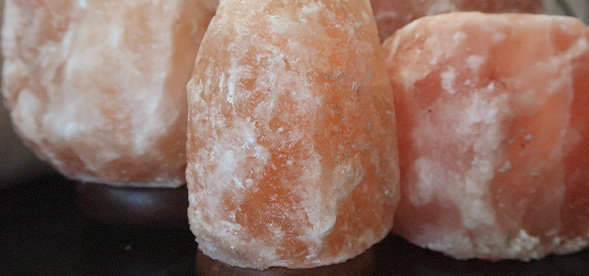
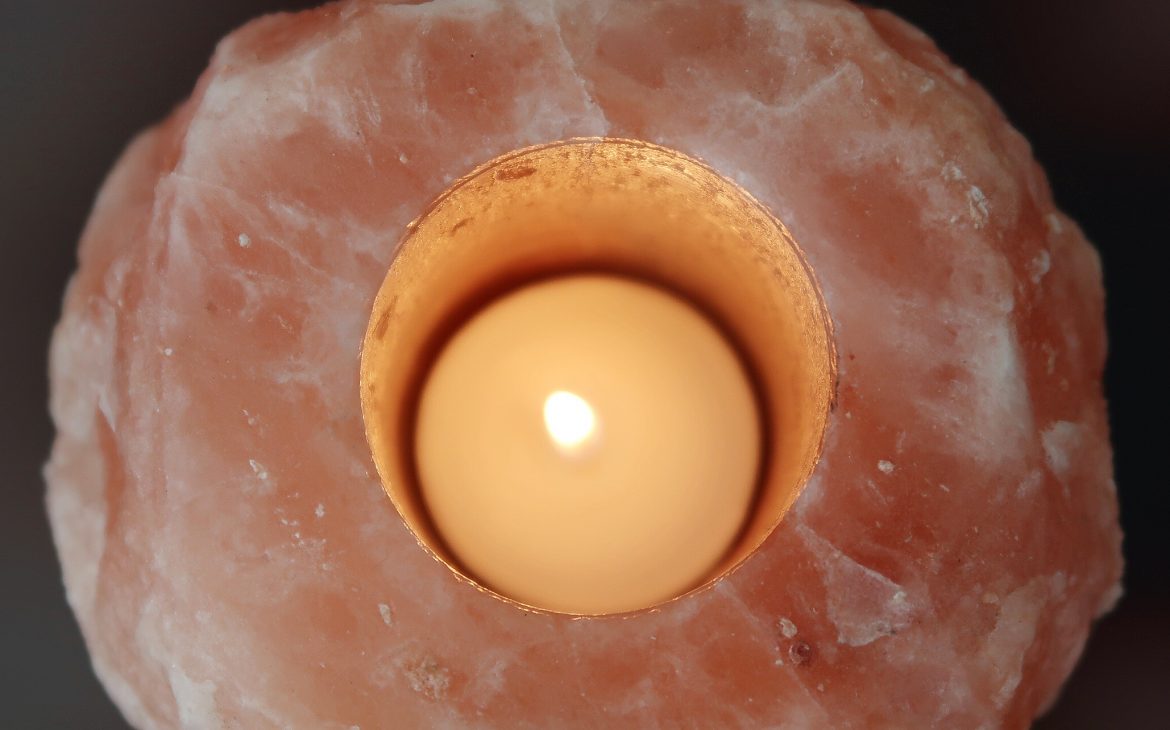
“A Himalayan salt lamp is a lamp made from a large piece of Himalayan salt, sourced from the Himalayan mountains. A hole is drilled into a salt chunk so that a lamp or tealight can be placed inside. These atmospheric lights are available in various shapes and sizes. The reason I have four Himalayan salt lamps in my house is mainly for the cosy natural atmosphere they create. However, the lamps are also said to have a ‘purifying’ effect. I’ve researched exactly how this works. Are you joining me?”

Ionization
An ionizer is a device that ionizes molecules. Ionization is the process in which an atom or molecule loses or gains an electron from its uncharged state. Ionizers produce a stream of charged particles (ion flow) in the air that cause dust particles in the environment to settle. In theory, this has a beneficial effect on air quality and may therefore affect health issues related to air quality, particularly asthma (De Meer, Duijm & Hall, 2010). Himalayan salt lamps are said to produce and subsequently release negatively charged ions into the air by heating the salt (through the lamp or candle). Research has shown that the amount of these ions is so low that it cannot be considered to have a similar positive effect (Ferreira, 2016).

Humidity
The air in your home contains moisture, known as humidity. Salt attracts water, so the salt lamp in your home draws in some of the humidity. Bacteria, allergens, and moulds present in the air are also drawn and attracted to the salt lamp, thereby “purifying” the air in your home. Salt doesn’t attract moisture, but the salt lamp consists of a molecular compound of NaCl (Sodium Chloride). The moisture in the air that comes into direct contact with it undergoes a chemical reaction. The H2O in the air that comes into contact with the salt lamp/NaCl undergoes a reaction. So, this would mean that only the moisture and bacteria floating around the salt lamp are attracted to it and purify that particular area of air.

So, if you want to completely “purify” the air in your home, you would need to stack quite a few salt lamps both horizontally and vertically so that the moisture in contact with the lamp can be attracted.

Just kidding! But if you do want to effectively purify the air in your home, you might consider investing in an air-purifying fan from Dyson, for example. Nonetheless, salt lamps remain very atmospheric, and that’s why I have them in my home. If you’re interested in getting a salt lamp yourself, I’ve listed some places below where you can buy them. However, it’s more fun to go to a store and choose one that you really like. Salt stones come in various types and sizes, and they are also reasonably affordable. The most popular variants are the tea light holders and the lamps.

Tip for the Rotterdam resident (or if you’re in Rotterdam): Pay a visit to Mystiek in Rotterdam at Schiedamse Vest 79 (Witte de Withkwartier). It’s a delightful store where you can find everything related to spirituality and health.

Sources:

de Meer, G., Duijm, F., Hall E. F. (2010) Ionisatoren en gezondheid. Geraadpleegd op 14 mei 2020 van: https://www.rivm.nl/bibliotheek/rapporten/609330004.pdf

Ferreira, M. (2016) Do Himalayan Salt Lamps Really Work? Geraadpleegd op 14 mei 2020 van: https://www.healthline.com/health/himalayan-salt-lamps

This site is registered on Toolset.com as a development site.