How Meditation, Nutrition, and Yoga Can Revitalize Your Skin and Improve Health

In a society where everything moves quickly, we also want to see fast results. When we have a headache, we quickly reach for paracetamol, while a headache usually wants to tell you that you might have taken on too much in the last few days and that you need to slow down. The “pressure” literally becomes too high.

To speak from my own experience, this is often the case with skin problems as well. From my experience as a skin therapist, I can say that many issues ultimately stem from stress, which is often chronic. It also makes it clear that skin problems often reflect what is happening in our bodies and mind.

Coping behaviour can be a result of stress on the body. Think about smoking, drinking alcohol in various amounts, poor nutrition, picking at the skin, or scratching/pinching. This is often unconscious behaviour. Many people do not connect their old habits to current complaints because they have “always done it this way.” The body can give signals for years that we ignore until it manifests in a way we can no longer overlook. Often, I see fatigue accompany skin issues, as well as digestive problems, emotional issues, weight changes, palpitations, or breathing problems. Unfortunately, this is often seen as normal. But these are precisely the signals your body is sending you. We have simply forgotten how to feel or listen to these signals.

As I mentioned at the beginning of my article, we live in a society where we just want a cream or a pill for the aforementioned complaints and skin problems. Of course, this can make a difference, but often these are short-term solutions.

Therefore, I want to inspire you towards a long-term solution. So, let’s start at the beginning. It’s time to turn inward again, go back to basics, and learn to listen to the signals from our bodies. But be aware, that this is not a quick fix. This requires discipline, awareness, and a lifestyle change.

  1. Meditation
    Many people are unaware of their feelings and thoughts, especially in our busy society. Meditating for 10 to 20 minutes daily provides the opportunity to pause and turn inward. This allows you to observe your thoughts and emotions without reacting immediately, leading to greater self-knowledge and inner peace. Meditation creates space for self-reflection, reduces stress, and helps you view situations from a distance. This results in clarity, enabling you to make more conscious, healthier choices in daily life.

Everyone nowadays has a Spotify account filled with guided meditations. Find someone you connect with and whose voice you enjoy. I find the meditations by Michael Pilarzich very pleasant; give it a try if you don’t know where to start.

  1. Nutrition
    What I often hear in practice is, “Yes, but I eat healthily.” My first question is, “What is your definition of healthy eating?” This can vary from person to person. Furthermore, I don’t believe in a single dietary pattern that is universally healthy for everyone. This perspective is more aligned with Ayurveda and orthomolecular therapy. Here are a few practical tips for a good start:
  • Eliminate soft drinks from your daily routine. Alcohol too, of course. 😉
  • Plan and prepare your meals.
  • No more processed or packaged snacks. Make your own instead!
  • Start your day with a healthy breakfast; this ensures a good start. People are often more motivated to choose other meals and snacks more consciously afterwards.
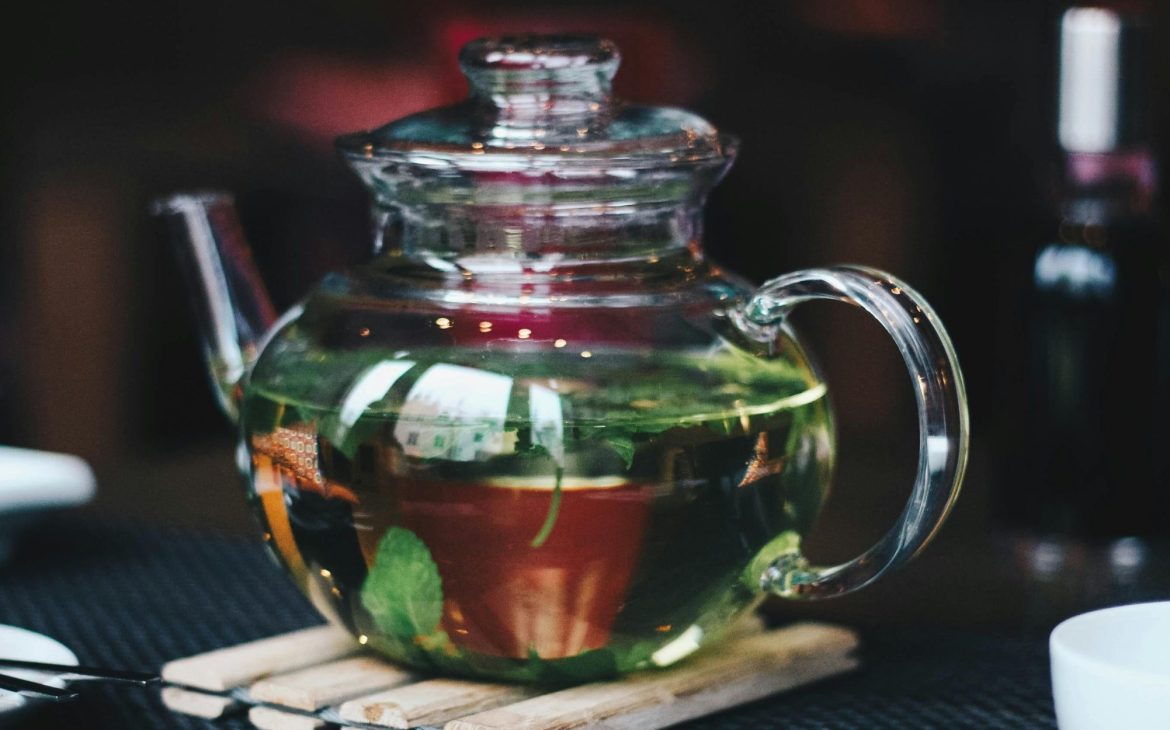
  • Opt for lavender tea, chamomile tea, mint tea or ginger tea.
  1. Sleep
    Implement an improved sleep pattern. I don’t need to explain that sleep is essential for the recovery of body and mind. A lack of sleep can affect not only your energy levels but also your skin, hormones, and mental clarity.
  2. (Yin) Yoga!
    You might be thinking: “What will body poses do for my skin?” Well, yoga has a rejuvenating effect on your body. This has to do with fascia. Fascia, the connective tissue that surrounds muscles, organs, and other structures in the body, plays an important role in Yin Yoga and can have a rejuvenating effect on both body and mind. By providing prolonged stretching and relaxation during Yin Yoga, flexibility increases and muscle tension decreases. This improves circulation, allowing oxygen and nutrients to be transported better to the cells, resulting in a healthier and more youthful appearance. Moreover, the calming nature of Yin Yoga helps to reduce stress, contributes to better mental and emotional well-being, and fosters a deeper connection between body and mind.

You can easily start a Yin Yoga class by playing a YouTube video at home. Starting doesn’t have to be difficult. Motivate and discipline yourself in this. However, nothing beats attending a yoga class in a pleasant space, where you are personally guided by an instructor. He or she can also correct you so you know you’re in the right pose.

I hope this article has provided you with some insight into finding balance, peace, and routine in daily life. You could say this is a beautiful beginning to returning to yourself. However, often you need to make a complete 360-degree turn. Learn to evaluate your relationships, for example. Are the people you interact with daily good for you? Do they give you energy, or do they drain it? Also, think about your job. Do you go to work every day with joy? Or is it time for something new?

If you do what you have always done, you will get what you have always gotten. And with that, I will conclude the article.

Namaste, dear all!

The Brain-Skin Connection: how does stress affect skin health?

Have you ever experienced a period or moment when your skin reveals that your body is under stress? For instance, by developing a pimple, or after a long stressful period, you look in the mirror one day and think, “Why do I look older?.” Curious about how this happens and how you can prevent it? Let’s find out how we can stay young and youthful!

Stress is a biologically generated reaction to potential danger. The fight-or-flight response is a defence mechanism that occurs when the brain detects acute danger. This can cause intense feelings of anxiety or stress, prompting the body to prepare to either fight or flight. During this dilemma, numerous stress hormones surge through the body to provide you with more oxygen and strength to run away from the danger or confront it.

When we give an important presentation, get stuck in traffic, or worry about the latest news, a form of stress is internalized. And this all begins in the brain. The hypothalamus, the part that controls your hormones, releases the so-called “adrenocorticotropic hormone” during times of stress. This triggers the pituitary gland, a pea-sized gland located at the base of the brain, behind the nose and sinuses. This gland then releases adrenocorticotropic hormone (ACTH) and stimulates the adrenal glands to produce the stress hormone ‘’cortisol’’. Cortisol is the primary stress hormone, and fortunately so, because this hormone helps you significantly when you need to quickly run away from a threatening situation.

However, when you produce cortisol and this hormone is not used for its intended purpose (fighting, flight, etc.), this accumulation negatively affects the body’s well-being. A buildup of stress hormones causes an inflammatory response in the body. This suppresses the immune system, making you more susceptible to infections from acne-causing bacteria, and there is also a chance that the skin’s oil production increases.

These two factors are the perfect combination for causing skin inflammation, a so-called pimple or acne.

Additionally, cortisol is responsible for the production of sebum in the skin. When there is too much sebum, it can combine with dead skin cells to create a white bump, known as a comedone. This white bump traps P. acnes bacteria, allowing them to thrive. In this way, you create a perfect living environment for bacteria, resulting in a pimple or acne.

It’s difficult to avoid stressful situations. As mentioned earlier, we occasionally get stuck in traffic or have to engage in an important conversation at work that brings some form of stress. These situations are unavoidable, but we can try to change our reaction to them so that cortisol production doesn’t become excessively high. We know now that cortisol gives you the strength to move forward, to fight or flight. You can also make good use of this strength by practising a sport. Sometimes you just need to vent your anger or frustration, and a popular way to do this is boxing. Many people find relief in literally punching out all their strength and anger, which helps them to then put situations into perspective.

Furthermore, I want to briefly mention that your coping strategy (the way you react to a situation) in response to stress can indirectly have a negative effect on your skin. Think, for example, of scratching the skin, biting, or picking. Additionally, behaviors and lifestyle habits such as drinking alcohol, smoking, or eating unhealthily in large quantities also negatively impact the skin.

I could list many more solutions for dealing with stress, but the moral of this story is to make you aware that stressful situations do indeed impact our well-being. Find a method that works for you to cope with stressful situations. For instance, you could consider meditation or yoga. Both are proven methods for relieving stress.

Good Luck, and feel free to ask.

With love, Fabienne

How to Layer Your Skincare Products in the Right Order

At work, I often receive valid questions about the correct order of skincare products. I understand where this question comes from because there are quite a few steps involved. Below is a brief overview of the “basic products” that are most commonly used, along with a short explanation.

1: Makeup remover
Remove your makeup before cleansing your skin. Tip: Imagine you unexpectedly don’t sleep at home and still want to remove your makeup… Use some oil to clean your eyes at least. Otherwise, you’ll wake up the next morning looking like a panda, which is not very appealing. Just use a bit of sunflower or olive oil from the kitchen on a cotton pad and gently wipe your eyes. Then rinse with water, et voila 😉

2: Cleanser
Cleansers are meant to cleanse your skin, not to remove makeup. Use a cleanser that suits your skin type. Gel-based cleansers are often suitable for oily skin, while creamier cleansers are better for dry skin. When: Evening, sometimes also in the morning for very troubled or oily skin.

3: Exfoliate
Exfoliating your skin involves removing dead skin cells. If you have oily skin, use an exfoliant with BHA. If you have dry skin, use an exfoliant with AHA. By removing dead skin cells, other products are better absorbed. You’re essentially removing a certain barrier layer. When: Evening.

4: Hydrate
Every skin type needs hydration. I advise everyone to find a good moisturizer; never skip this step! Hydration is key to beautiful skin. When: Morning and evening.

5: Protect
Protect your skin with a cream that contains sunscreen, also known as SPF (Sun Protection Factor). It’s important to do this to protect your skin from the harmful effects of the sun. The sun causes signs of aging such as pigmentation, wrinkles, sagging skin and dull skin. As we age, we can’t avoid these entirely, but to slow down this process and keep your skin looking young and healthy for as long as possible, protecting your skin with sunscreen is highly recommended. When? Only during the day because the sun doesn’t shine at night, of course. Apply in the morning and repeat several times a day, especially in the summer. The protective factor only works for a few hours.

Goodluck!

With love, Fabienne

The difference between serum and moisturizer.

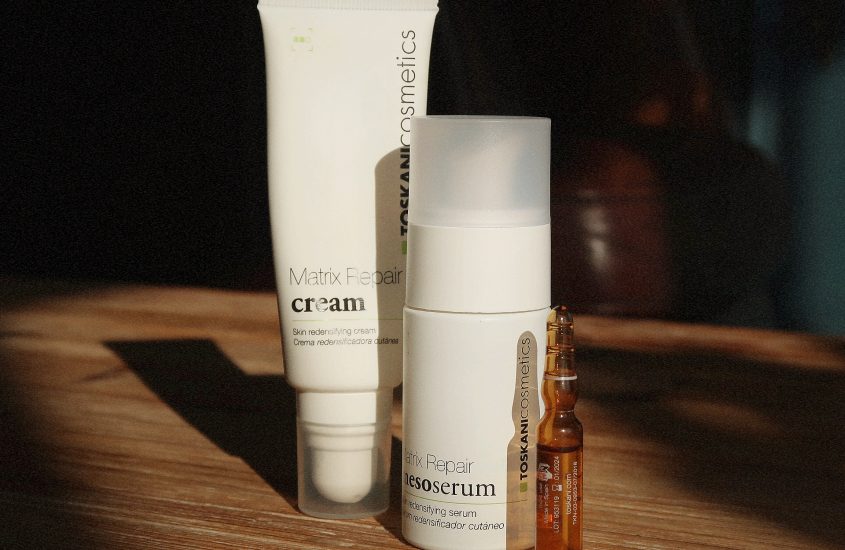
The function of a serum A serum can be used as an addition to your skincare routine because it targets specific skin concerns. These concerns may include issues like acne, hyperpigmentation, dehydrated skin, or dullness. A significant difference between a cream and a serum is that the percentage of active ingredients in a serum is higher, providing that extra boost where needed. Another important distinction is the texture. A serum is thinner – often a bit gel-like – allowing it to penetrate deeper into the skin. Once it reaches this depth, the serum can start working its magic. When choosing a serum, consider your skin type and decide which problem you want to address. For instance, if you have dehydrated skin, opt for a serum with hyaluronic acid. Or if you have sun-damaged skin with pigmentation issues, choose a serum with vitamin C. Unlike a cream, a serum does not contain SPF. Therefore, a serum is not a replacement for a cream. Make sure to always apply cream during the day to protect your skin.

Price tag Serums are generally more expensive skincare products compared to others. You’re paying for the percentage of active ingredients in a serum, which also needs to remain concentrated and stable. And that comes with a price tag.

Function of a cream The function of a cream is quite straightforward: the right cream (suited to your skin type) ensures hydrated skin. A cream has a richer texture and essentially seals in a serum. This creates a barrier layer that protects and hydrates your skin throughout the day.

How to use First, cleanse your face, then apply a serum suitable for your skin type and concerns, and finish with a cream. A cream also helps the serum stay in place within the skin.

If you’re curious about your skin condition and whether it can be improved, consider visiting a dermatological clinic in your area and seek advice from a skincare professional. ♥

My top 3 skincare ingredients

As a skin therapist, I always find it exciting to try out new ingredients, provided they suit my skin type, of course. Fortunately, I have an easy-going skin that doesn’t require too much maintenance. It tends to be a bit dry at times, leaning towards dehydration. That’s why I often look for products that provide hydration and nourishment. In this blog, I’ll share with you three ingredients that I use daily and especially what they can do for your skin.

Niacinamide (Vitamin B3) Suitable for: acne-prone and rosacea-sensitive skin, dry skin.
Niacinamide is a versatile ingredient that can be combined with other active ingredients. It can contribute positively to many different skin issues. As we age, the number of antioxidants in the skin decreases. Niacinamide is an antioxidant, and we need it to keep the skin resilient and strong against harmful external influences. It’s beneficial to replenish these antioxidants to help the skin resist aging signs.
Niacinamide helps strengthen the (disrupted) skin barrier and retain moisture. A damaged skin barrier struggles to retain moisture, which can trigger irritation such as redness and pimples. By strengthening the skin barrier, redness and irritation can be reduced.
Additionally, niacinamide has a mild exfoliating effect, which helps combat dull skin and fine lines. Finally, niacinamide is also effective against acne due to its anti-inflammatory properties. I prefer a serum containing niacinamide because it typically has a higher concentration.

Hyaluronic Acid (HA) Suitable for: dehydrated skin
Hyaluronic acid is a naturally occurring substance in the body, with more than half of it found in the skin. Its primary function is to retain moisture in the skin, allowing it to function optimally and keeping it “wrinkle-free,” so to speak. The action of hyaluronic acid can be compared to water being poured over cracked earth. You’ll notice the cracks disappear. Similarly, when the skin retains more moisture, it appears plumper and smoother.
There are serums containing hyaluronic acid that can significantly help your skin. However, if your skin is significantly dehydrated, the best way to give it a boost is through mesotherapy. This treatment, also known as a ‘skin booster treatment,’ involves injecting hyaluronic acid into the deeper layers of the skin using tiny needles. This process hydrates and strengthens your skin from within, reducing the visibility of fine lines.

Vitamin C (ascorbic acid) Suitable for: all skin types, dull skin.
You might think it’s easy to squeeze extra oranges in the morning, hoping your skin will absorb some of it. However, unfortunately, only 1% of this reaches the skin, so we need to apply these vitamins from the outside to nourish the skin.

Vitamin C naturally occurs in our skin. Due to sun exposure, vitamin C breaks down, making the skin less resilient. Products containing vitamin C are therefore popular because they provide the skin with many benefits. The antioxidant properties of vitamin C protect your skin against harmful external influences such as UV radiation and pollution. At higher concentrations, vitamin C also has brightening effects on superficial pigmentation by stimulating collagen production. So, it’s also a good ingredient for evening out the skin tone.


There, those were the ones. If you have any questions about the products I use and enjoy using, feel free to send me a message. Perhaps I can help you further 😉

Love, Fabienne

HOW DO WE KEEP OUR SKIN BARRIER HEALTHY?

Our outer skin layer (the epidermis) forms the skin barrier and plays a vital role. As the name ‘barrier’ suggests, this natural skin layer protects our skin from harmful external influences. To give you a clear picture, you can compare the skin barrier to the building blocks of a house. The building blocks protect the house from external influences such as wind, cold, heat, and rain. Essentially, the skin barrier does the same and shields us from external factors such as:

  • UV rays from the sun
  • Light from our phones/tablets, etc. (blue light)
  • Environmental pollution
  • Aggressive or incorrect skincare products
  • Taking showers that are too hot

But also stress, diet, and lack of sleep can disrupt the skin barrier in the long term (internal factors). When the skin barrier is compromised, these external factors can more easily penetrate the skin and cause damage. Additionally, the skin is not able to retain moisture effectively, leading to dehydration.


The characteristics of a disrupted skin barrier include:

  • red skin
  • (quickly) irritated skin
  • comedones
  • pimpels
  • hyperpigmentation (pigmentspots)
  • fine lines
  • wrinkels
  • dull skin
  • dehydrated skin
  • itchy skin

Often, people have a combination of one or more of the factors mentioned above. But fortunately, the skin barrier can also be restored.

How do we keep the skin barrier healthy?
Start by reversing the factors mentioned above, for example, avoiding hot showers and protecting your skin from the sun using the right sunscreen. Also, it’s good to scrutinize the products you use daily. It’s possible that the products you’re using are too aggressive or not suitable for your skin type. It’s also not advisable to use cleansing brushes as they can be too harsh. If you wear a lot of makeup, it’s better to cleanse your skin twice with a cleanser.

When your skin barrier is disrupted, your skin may also be dehydrated, as mentioned earlier. In that case, it’s good to add a serum with hyaluronic acid to your daily routine. Hyaluronic acid helps retain moisture in the skin, thereby firming and soothing it.

Redness can also be caused by a disrupted skin barrier, but genetic predisposition often plays a role as well. How it develops varies from person to person. For some, it’s genetic, for others, it’s due to incorrect product use. The skin is often red when there are inflammations present, such as pimples. It’s important to soothe the skin well with the right products in such cases.

Hyperpigmentation in the form of age spots or post-inflammatory hyperpigmentation (PIH) – pigment spots after inflammation, is also caused by a disrupted skin barrier. The sun essentially has “free access” to cause pigmentation damage in the skin when it’s not properly protected and isn’t capable of protecting itself. This also happens when you don’t protect yourself daily with an SPF against the sun.

Wanna check your skincondition? Go to a practice for a consultation and see what your therapist can do for you. Goodluck!

Love, Fabienne

veganistische huidverzorging

Wanneer je vegetarisch bent eet je geen vlees, gevogelte of vis. Als je veganist bent, eet of gebruik je geen enkele producten die van dieren afkomstig zijn. Eieren, melk, honing, vlees en vis staan dus niet op het boodschappenlijstje van een veganist. Wat mij het afgelopen jaar is opgevallen is dat er dan ook steeds meer veganistische huidverzorgings- en make-up producten op de markt verschijnen. Voordat we daar verder op ingaan wil ik eerst meer vertellen over het veganisme om het verhaal rond te maken.

Waarom Vegan Lifestyle?
Vaak zie je de aspecten “mens, dier, milieu en gezondheid” op meerdere websites positief beargumenteerd worden hoe het veganisme hier aan kan bijdragen. Veganisten willen eigenlijk een statement maken over het huidige wereldsysteem waarin dieren gezien worden als een product. Ze willen niet bijdragen aan het dierenleed, waarmee tegelijk – onder andere – enorm veel water en massaproductie wordt bespaard. Het eetpatroon bestaat voornamelijk uit groenten, fruit en alles wat plantaardig is.

Welke dierlijke producten zitten er niet in vegan producten?
Je kan denken aan ingrediënten zoals:

  • bijenwas: geproduceerd door bijen en wordt vaak verwerkt in balsems;
  • collageen: lijmvormend eiwit uit de botten, graten en huid van dieren;
  • elastine: elastisch proteïne in bindweefsel. Onder andere van koeien;
  • hyaluronzuur: keten van disacharide uit bindweefsel van huid en gewrichten;
  • wolvet/lanoline: vettige talg uit schapenwol en werkt vochtvasthoudend (Schoofs. M., 2019)

… om maar enkele bekende voorbeelden te noemen. De ingrediënten die vaak wél overblijven zijn vaak plantaardige en/of biologische stoffen. Bij vegan beauty producten gaat het er vooral om dat er geen dierenleed in verwerkt zit. Maar dat wil nog niet zeggen dat dat beter is. Stoffen uit de natuur hebben zeker goede eigenschappen maar kunnen juist ook een keerzijde hebben en irriterend werken (NCV, 2019). De werkzaamheid is afhankelijk van het verwerkingsproces, de houdbaarheid, de concentratie, de zuiverheid en de stabiliteit. Meer over natuurlijke huidverzorging klik hier.

Mijn conclusie: is vegan beter?
Of veganistische huidproducten beter zijn of niet is natuurlijk een hele brede vraag. Maar wél een vraag die veel gesteld wordt. Beter in wat? Beter voor dier en milieu? Ja, waarschijnlijk wel. Maar beter voor onze huid? Dat ligt er natuurlijk maar net aan wat voor huidtype je hebt en wat voor zorg je huid vraagt en nodig heeft. Zoals ik al eerder probeerde duidelijk te maken is het veganisme een lifestyle waarbij meerdere factoren aan bijdragen. Veganisten vinden het vooral belangrijk dat er zo min mogelijk ‘’schade’’ aangericht wordt met hun aankopen. Het is maar net wat jij belangrijk vindt en dat uitgangspunt is voor veel mensen verschillend.
Bijvoorbeeld; in veel steden is een zeepwinkel die je van veraf al ruiken kan. Ze verkopen veel bruisballen, zeepjes en shampoo’s. Een heel groot deel van hun producten verkopen ze niet in de verpakking, want zij zijn ervan overtuigd dat dat is onnodig productiemateriaal is en daardoor slecht voor het milieu. En dat is prima natuurlijk, maar dat wilt nog niet zeggen dat het product zelf ook heel erg goed voor je huid zal werken.

Als je meer wilt weten over het veganisme (met name op voeding) raad ik de documentaire ‘’What The Health” op Netflix aan. Toen deze docu werd uitgebracht was dit écht het gesprek van de dag  en leek het of mensen van de een op andere dag hun leven om probeerde te gooien. Ik kan het alleen niet laten om te zeggen dat een docu geen docu is waarin de makers de kijkers niet proberen te shockeren en bepaalde boodschap heel duidelijk willen overbrengen. Deze documentairemakers vind ik persoonlijk erg zwart-wit denken: of je wordt veganist waardoor je bijna niet meer ziek word en een lang leven zal hebben en de wereld een stuk mooier zal maken… of je blijft leven zoals je altijd al geleefd heb en sterft voor je 50e…
De rest van de interpretatie laat ik aan jullie verder over. Ik ben zeker niet tegen een vegan lifestyle, want ik denk echt wel dat er er veel goede argumenten zijn om deze lifestyle na te streven.

En je hoeft natuurlijk geen vegan te zijn om vegan huid- en make-up producten te kopen, want zo zwart-wit ligt het natuurlijk niet. 😉 Het is maar net wat je fijn vindt om te gebruiken. Voor ieder wat wils tegenwoordig.

Liefs Fabienne

bronnen:
Schoofs. M., (2019) Dierlijke ingrediënten in cosmetica: wat, waarom & hoe anders?  Geraadpleegd op: https://www.enjoytheveganmovement.nl/blog/dierlijke-ingredienten-in-cosmetica-wat-waarom-hoe-anders/

Nederlandse Cosmetica Vereniging (2019). Natuurlijke Cosmetica. Geraadpleegd op: https://www.ncv-cosmetica.nl/cosmetica/natuurlijke-cosmetica/

balanceren van je hormonen na het stoppen van de pil

Veel vrouwen stoppen met de pil omdat ze zwanger willen worden. Wellicht goed om dit artikel te lezen wat ‘’ontpillen’’ doet met je lichaam. Ik heb zelf ontzettende rugpijn gehad toen ik ging stoppen met de pil en daar bleef het ook bij gelukkig. Maar sommige vrouwen krijgen erg last van puistjes. En omdat dit een huidblog is, wil ik deze bijwerking hier bespreken.

De pil en hormonen, hoe werkt dit?
De pil bevat hormonen. Hormonen zijn stofjes die je lichaam zelf aanmaakt en allerlei functies van je lichaam regelen en processen beïnvloeden (1). Zo ook de talgklieren in onze huid. Wanneer de talgklieren overmatig talg gaan produceren én daarbij ook bepaalde bacteriën komen kijken veroorzaakt dit een puistje. Niet alléén anticonceptie kan een reden zijn om te beginnen met de pil, maar de pil wordt ook vaak voorgeschreven bij acne. Sommige vormen van anticonceptie bevatten hormonen die de talgklier productie juist afremmen. Wanneer je deze pil een paar jaar gebruikt heb en je besluit om te stoppen is de kans groot dat je lichaam ‘’ontregeld’’ wordt, zo oom je talgklier productie.

Na het eerste halfjaar vinden de meeste vrouwen hun normale menstruatiecyclus weer terug.

Puistjes na het stoppen van de pil
Na het stoppen van de pil is je lichaam ontregeld. Sommige vrouwen zeggen dat ze écht moeten ontpillen en dat hun lichaam weer terug ging in de puberteit stand. Dit kan 6 maanden duren. Na het eerste halfjaar vinden de meeste vrouwen hun normale menstruatiecyclus weer terug (2). Dus hopelijk dat je huid ook na een halfjaar weer rustiger wordt. Voor in de tussentijd heb ik nog wat tips voor je.

Wat kan je doen?

  • Verzorg je huid zorgvuldig met producten die actieve werkstoffen bevatten. Reinig je huid in de avond, eventueel ook in de ochtend. Gebruik een exfoliant die salicylzuur bevat. Salicylzuur is een bewezen werkende stof die in staat is om talg tot diep in de porie op te lossen (3). Klik hier om te kijken welke producten passen bij een vette huid.
  • Probeer enkele weken géén zuivelproducten te consumeren. Uit onderzoeken blijkt dat zuivel een veroorzaker kan zijn van acne omdat zuivel hormonen bevat die de talgproductie stimuleren (4). Dus ik zou zeggen, vervang je dagelijkse zuivel voor Haver- of Soyamelk en kijk wat er gebeurd.
  • Probeer stress ook te vermijden.
  • En dan misschien wel de belangrijkste tip: ga langs bij een huidtherapeut! Huidtherapeuten bieden behandelingen aan tegen acne. Dit kan bijvoorbeeld een peeling zijn. Acne in het gelaat wordt trouwens door de meeste verzekeraars gewoon vergoed! Kijk dit dus even goed na want dit kan je flink wat geld schelen in de portemonnee. Ook is er géén doorverwijzing nodig om een huidtherapeut te bezoeken. Klik hier om een huidtherapeut bij jou in de buurt te vinden.

Succes!

Liefs, Fabienne

Bronnen:
1: (gezondheidsplein, 2019). https://www.gezondheidsplein.nl/menselijk-lichaam/hormonen/item45087

2: (mens-en-gezondheid, 2019)
https://mens-en-gezondheid.infonu.nl/zwangerschap/83836-zwanger-of-ontpillen-klachten-en-symptomen.html

3: (apotheek.nl, 2019)
https://www.apotheek.nl/medicijnen/salicylzuur-bij-huidaandoeningen?product=salicylzuur-gel-6-fna

4: (mens-en-gezondheid, 2019)
https://mens-en-gezondheid.infonu.nl/aandoeningen/80381-meer-kans-op-puistjes-door-het-drinken-van-melk.html

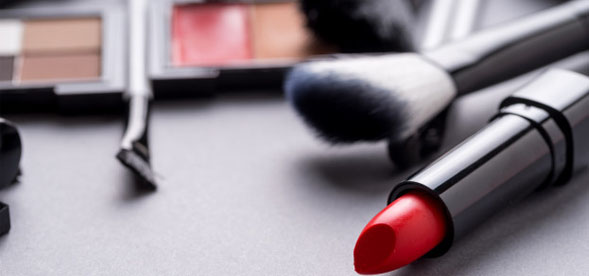
zoveel bacterien zitten er op make-up testers

Heb jij je wel eens afgevraagd hoeveel bacteriën er op make-up testers in de winkel kunnen zitten en of deze wel hygiënisch genoeg zijn? Nou, ik heb hier het antwoord voor je. Een onderzoeksteam van het CBC-programma ”Marketplace”  heeft een aantal maanden terug een onderzoek gedaan naar het aantal bacteriën die zich bevinden op verschillende soorten make-up testers. Winkels moedigen je aan om deze producten te gebruiken, maar kan je ook vertrouwen dat ze veilig zijn? Het team heeft de volgende winkels onder de loep gelegd:

  • Sephora
  • Mac
  • The Body Shop
  • Shoppers Drug Mart

60 verschillende producten waaronder oogschaduws, mascara’s, lip gloss, cream blushes en lippenstifen zijn getest die voor klanten beschikbaar stonden om uit te proberen. Volgens Keith Warriner, microbioloog aan de Universiteit in Guelph, kunnen de testers pathogenen bevatten die huidinfecties kunnen veroorzaken of andere gezondheidsproblemen. Zeker wanneer je deze testers aanbrengt op plaatsen zoals de lippen, ogen of een open/kapotte huid. In de microbiologie worden deze plaatsen ‘’ porte d’entrée’’ genoemd. De porte d’entrée is de plaats waar een ziekmakend micro-organisme, pathogeen, het lichaam binnendringt.

Na het afnemen van de samples bij verschillende winkels én op verschillende locaties zijn deze naar het laboratorium gebracht waar ze op kweek gezet worden. Keith Warriner was erg verrast hoeveel bacteriën er gevonden waren op de samples. 40% van de testers bevatten Staphylococcus Aureus en op 28% van de testers zijn schimmels gevonden. ‘‘Het is niet vreemd om stafylococcen te vinden op de samples. Ongeveer 40% van ons is een drager van dit micro-organismen. Maar wij zijn gewend aan onze eigen microflora en niet aan die van een ander. Dit betekend dat een make-up shopper zonder enige signalen van een infectie uiteindelijk wél aan de volgende persoon een rood oog of een strontje (Hordeolum) kan overdragen. En hierdoor gaat het dus mis”. Aldus Keith Warriner.

Ervaringen Oud Medewerkers
Het onderzoeksteam ondervraagd ook twee dames die gewerkt hebben in een van de winkels. Een van hun verteld dat ze nooit de make-up hoefde schoon te maken, alleen de winkel zelf. Een andere dame vertelde dat ze bij Mac en Sephora wél erin worden getraind om de testers schoon te houden, maar dat dit in de praktijk soms niet het geval is. Een van de dames verteld hierover het volgende:‘’Het is bij Sephora veel moeilijker om de testers schoon te houden vanwege het grote aanbod en veel verschillende soorten merken. Veel mensen komen binnen en maken hun hele gezicht op. Je kunt ze ook niet constant in de gaten houden. Je probeert de kwasten en de producten die in de winkel gepresenteerd worden goed schoon te houden, maar dit lukt niet altijd.’’

Hoe zit het dan met het desinfecteren?
In het lab wordt dezelfde alcoholspray gebruikt, waarmee de verkoopsters hun kwasten en producten ook mee desinfecteren. Maar tot in hoeverre heeft dit zin? Worden hiermee alle bacteriën wel gedood? Na deze vragen te hebben onderzocht verteld Keith Warriner zijn bevindingen: ‘’ Deze spray doodt de bacteriën voor 90-92%. Klinkt prima zou je denken. Maar wanneer we geen risico willen lopen en praten over ‘’desinfecteren’’, horen de bacteriën voor 99,99% gedood te worden. Conclusie: door het gebruik van de spray maak je het risico op een infectie kleiner, maar voorkom je het niet. Doet deze spray iets? Ja zeker, maar betrouwbaar is het niet.

Mijn conclusie:
Het is wel goed om dit onderwerp even in de kaart te brengen in het kader van ‘’huidverzorging’’ en men ervan bewustmaken om deze testers niet zomaar op de lippen, ogen of op een reeds al ”kapotte” huid te gebruiken. Misschien deed je dat al niet en is dit onderzoek voor jou heel zelfsprekend. Maar ik loop zelf regelmatig op de make-up afdeling en zie dat er dan volop gebruik gemaakt wordt van de samples. En dan begrijp ik natuurlijk helemaal want sommige producten zijn gewoon te duur om aan te schaffen zonder dat je ze even heb kunnen proberen (althans, dat vind ik zelf). Zoals het onderzoeksteam adviseert: make-up shoppen is leuk, blijf het ook vooral doen, maar gebruik de testers op je hand of onderarm of vraag de verkoopster om hulp.

Wil je meer lezen over dit onderwerp of over de uitslagen van het lab? Klik dan op deze link:

video https://www.youtube.com/watch?v=_68Btc0GzmE&feature=youtu.be
artikel: https://www.cbc.ca/news/health/marketplace-makeup-testers-1.4577702

Liefs, Fabienne

bron: CBC News, 2018

mijn favoriete zonnebrandcremes

Ik krijg vaak vragen over welke zonnebrandcrèmes nou écht goed zijn. Ik ben geen wetenschapper, laborante, onderzoeker of iets in die richting om deze vraag met met sterke bewijzen te kunnen beantwoorden. Maar, ik kan wél uit eigen ervaring vertellen welke producten ik prettig vind om te gebruiken én waar ik geen uitslag van gekregen heb. In het verleden heb ik de ervaring gehad dat ik een geirriteerde huid kreeg van zonnebrandcrèmes. Ik ben toen opzoek gegaan naar producten die zo mild mogelijk zijn maar toch goed je huid beschermen tegen de zon. Ondanks dat het al hartje zomer is en de meeste van jullie al een zonproduct op je  badkamerplankje hebben staan, wilde ik toch nog mijn favoriete producten met jullie delen.

– Paula’s Choice Zonnebrandcrème SPF 50 €24,00 (online)

– Urtizon Zonnecrème SPF 15  €14,95 (ook verkrijgbaar bij Holland and Barret)

– Jetske Ultee Suncare SPF 30 €39,95 (online)

Deze zonnebrandcrèmes heb ik bewust gekozen omdat ze geen irriterende ingrediënten bevatten zoals alcohol, parfum of kleurstoffen. Mocht je nog opzoek zijn naar producten voor je vakantie, dan zijn een van deze crèmes misschien een uitkomst voor je!

Succes 

Liefs, Fabienne

This site is registered on Toolset.com as a development site.