My Journey Into Yoga – How It All Began

I’m naturally quite energetic, always on the move, and often all over the place. My mother once said: “Try yoga, it will calm you down.” So I took a few classes with a One Fit membership, but honestly? I quit after just two sessions. It moved too fast, and I mostly looked around to see what I was supposed to do. Not a success.

Still, something kept tugging at me. I knew that yoga isn’t really about how flexible you are, but about what it does for you internally. So I started practicing at home with online videos, to feel more confident in the poses and less distracted during a class.

Then suddenly, my life changed. My 13-year relationship ended, I moved, and had to start over. That’s when I truly felt: now I need yoga. I joined a yoga studio in Rotterdam.

Yoga has helped me calm my thoughts, create space between feeling and reaction, and stop taking every thought in my head so seriously. I got to know myself better than ever before.

After I found that balance within myself, it inspired me to share it with others and to combine it with my work as a skin therapist.

What I see time and time again is that many skin issues are linked to stress. Think of acne, eczema, or rosacea — the body often tells us more than we realize. Yoga isn’t a miracle cure that will instantly solve your skin problems — it’s not that simple.

But it can be a valuable first step. A way to calm your nervous system, deepen your breath, and reduce the production of stress hormones like cortisol. And that has an effect — on your skin, yes, but even more so on how you feel in your body.

That’s where the connection lies for me: working on the outside, with attention to the inside.

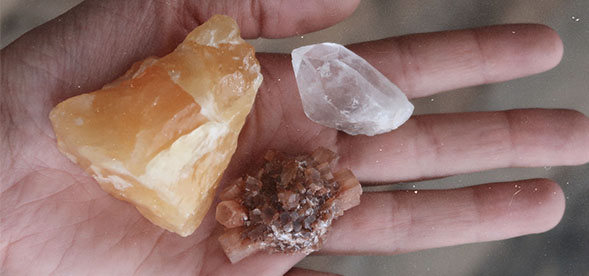
Do crystals have healing properties?

“I find gemstones beautiful, and as a result, my home is filled with them. I have crystals in the form of loose stones, bracelets, pendants, and salt lamps in abundance. Additionally, I’ve collected some interesting books about gemstones that explain their healing properties. However, at the same time, I wonder, does all of this hold true? Or are they just ‘woo-woo vibes’… if you catch my drift? My partner (who has a scientific mindset) and I decided to investigate this positive healing and powerful effect. Let’s start by looking at how these crystals are formed because regardless, this is simply factual.”

How are crystals formed?
Most clear crystals were formed millions of years ago deep within the earth. They originated from magma, which sometimes took millions of years to cool down. Eventually, crystals formed from this cooled magma. These crystals resembled ice, a buildup of tiny crystals that eventually formed a larger crystal. The colour of crystals is ultimately determined by impurities mixed in, such as metals, aluminium, and iron. Millions of years ago, due to tectonic shifts, these crystals were eventually pushed to the surface. This made the crystals “easier” for us to find. Often, these are volcanic areas where crystals can be found (All Stones, 2019).

The theory behind the healing effect
According to the holistic approach associated with energetic crystal therapy, the body, mind, and soul of a person together form a whole, a unique individual. The body, mind, and soul must be in balance with each other for someone to feel healthy and comfortable (Semoea, 2016). Okay, so far so good. The therapeutic effect of gemstones is based on the energy vibrations of these stones from nature. By wearing a gemstone, it is believed that the human aura would be positively influenced.

It is also said that a disease or complaint is usually caused by an abnormal frequency in the vibrations of an organ or area in the body. By wearing a particular stone (or combination of stones), the influence on complaints and/or diseases can often be significant and can then be significantly reduced. What is meant is that, for example, if you have a headache, abnormal vibrations have occurred in the body. A gemstone could restore these abnormal vibrations, thereby reducing your headache.

To understand the healing power of gemstones, it is necessary to know which substances are present in the stones. As mentioned earlier, impurities such as metals, aluminium, and iron are mixed in during the formation process of gemstones. When wearing a gemstone on the skin, the energy field (or aura) of the stone can transfer to the energy field of the wearer. In this way, the substances present in the stone can release their healing power (Aroma-atelier, 2005).

The wearing of patches on the skin is increasingly common nowadays to allow medication to penetrate. While this theory is scientifically proven, this method of gemstone therapy could theoretically have “healing” effects. Perhaps this also explains why Hematite might work well against anaemia, considering this stone is pure iron oxide and could potentially be released into the skin. If it were to work, then the dose one would “receive” cannot be determined anaemia is not always caused by iron deficiency (Mens en Gezondheid, 2015).

My conclusion
The healing effect of gemstone therapy has not yet been scientifically proven. It is assumed that the healing effect is more likely related to the placebo effect (Semoea, 2019). A placebo is a fake medicine. It can be an injection, pill, surgery, or another treatment without a direct medical effect (Niemandsverdriet, 2016). This mechanism likely applies to gemstones as well. When I put all the information side by side and analyze it, I am not convinced about the remarkable healing power that these stones supposedly offer us. Will I now throw away all my pounds of stones and stop wearing them as jewellery? Certainly not. I find them to be beautiful natural phenomena and especially cosy in my living room and on my bedside table.

With love, Fabienne
Doelen maken én ze ook bereiken

Heb jij een droom of een bepaalde doel en blijf je daar maar mee in je hoofd rondlopen omdat je eigenlijk niet echt weet hoe je hiervoor actie moet ondernemen? Ik geef je in dit blog drie tips hoe je je doelen wél kan bereiken. 

Iets wat vaak gebeurd is dat mensen denken: ‘’Ik weet zelf hoe ik mijn doelen kan bereiken en ik heb hierbij geen hulp nodig, ik koop gewoon een boek en kijk een sh*t load aan video’s en dan kom ik er vanzelf wel.’’
Slecht idee.
Waarom? Omdat een boek of video’s jou geen feedback geven op je persoonlijke plan die je aan het ontwikkelen bent. Het gevolg hiervan is dat je waarschijnlijk geen resultaten zult boeken en je doelen niet zal bereiken. Verspilde energie en tijd. Iets wat een boek of een video jou niet leert is feedback geven op de details en je tussendoor niet de goede richting op stuurt richting je einddoel. Boeken en video’s kunnen goede middelen zijn op je in de startblokken te zetten en je te laten nadenken welke doelen je precies wilt bereiken. Het kan je een bepaald idee en een bepaalde richting te geven. Je stelt hiermee een plan, maar hoe ga je vanuit daar nou verder?

  1. Mindmap maken
    Oke, je hebt een bepaalde doel bijvoorbeeld: afvallen, een bedrijf opzetten, jezelf ergens in ontwikkelen, een bepaalde sport leren uitoefenen, ga zo maar door. Dit kan écht heel verschillend zijn. Het eerste wat je doet is een mindmap maken. Het doel van een mindmap is informatie vanuit je brein op papier te noteren en deze samen te vatten. Hierdoor wordt je doel meer tastbaar. Het maken van een mindmap is je startpunt, begin hiermee.

    Hoe doe je dat?
    Pak een leeg A4tje en een pen. Begin met een centraal doel in het midden. Maak vervolgens verschillende takken en schrijf hier je doel(en) op. Schrijf hier ook eventueel kort bij waarom je dit wilt en hoe je dit wilt doen. Iedere tak/doel kan je steeds kleiner gedetailleerder maken. 

Denk hierbij ook aan de dingen die je niet wilt. 
Als je meer informatie wilt over de bewezen kracht van het maken van een mindmap klik dan hier.

2. Moodboard maken

Een moodboard is een visueel board van een je zojuist bedacht doel of doelen. Het is een hulpmiddel waardoor je je doelen tastbaar maakt en die jou steeds helpt motiveren om dit doel te bereiken. Dit doe je met behulp van teksten en vooral van veel afbeeldingen die passen bij je doelen.

Hoe doe je dit?
De doelen die je zojuist hebt gesteld, daar ga je op 1 grote plaat een beeld van maken. Doe dit het liefst op een A3 formaat omdat je dan meer ruimte heb. Zoek wat (oude) tijdschriften op en ga knip plaatjes uit die bij jouw doelen passen of symboliseren. Ik zet zelf mijn moodboards in mijn slaapkamer, want iedere ochtend als ik wakker word kijk ik ernaar en wordt ik herinnerd aan mijn doelen. Voor mij werkt dit goed want het geeft me weer een motivatie boost voor de dag.

3. Zoek begeleiding
Dan ben je op het punt beland dat je bepaalde doelen en een bepaalde richting voor jezelf hebt gesteld. Het wordt tijd voor actie. Een begeleider of coach kan jou helpen bij twee belangrijke aspecten en dat zijn;

  • de details
  • feedback geven

Je hebt je plan gemaakt en je doel gesteld. Je gaat aan de slag maar om exact het juiste pad te bewandelen om naar jouw doelen te gaan heb je iemand nodig die hier ervaring in heeft en jouw de juiste richting kan geven. 

Dit gebeurd er waarschijnlijk als je geen begeleiding /coach zoekt
Je hebt je plan gemaakt en gaat aan de slag op de manier waarop jij denkt dat het moet, je hebt het plan immers zelf gemaakt, je kent jezelf dus het komt wel goed. Je trekt je wandelschoenen aan, rugzak om, pakt je lantaarn en gaat op pad. Je loopt en loopt, neemt verschillende paden, komt erg dichtbij je doel maar uiteindelijk niet helemaal. Je past je plan niet aan want je gelooft er nog steeds in maar je heb nog steeds geen resultaat geboekt. Langzaam raak je verdwaald. Het vervolg hiervan is dat je gefrustreerd raakt. Frustratie geeft je twijfels waardoor je gaat nog harder werken en wederom zonder enig resultaat Onderweg wordt het moeilijk om nog in jezelf te blijven geloven. Je raakt verder van je doelen af en wat er dan gebeurd is dat je soms zelfs doordat je zover bent afgedwaald terecht bent gekomen in de mist. Je doelen zijn niet meer helder en je vergeet waarvoor je zoveel kilometers hebt gemaakt. Langzaam begint je motivatie weg te zakken en ben je minder actief, je energie raakt op. Je verzwakt. In je rugzak had je nog een zak chips, je gaat zitten en onderweg vragen mensen of je inmiddels al bij je gouden schatkist bent aangekomen. Je zegt dat je van de week weer verder gaat, past je plan een beetje aan maar weet eigenlijk niet meer waarvoor je het doet. En tegelijk denk je ik zit hier eigenlijk wel prima met mn zak chips. En zo ga je nog een paar weken of maanden door en aan het einde was je doel, gewoon een idee.

En een coach of begeleiding zoeken is overigens vaak dichterbij dan je denkt. Je hebt vast wel iemand in je netwerk die ergens gespecialiseerd in is en jou tips of feedback wilt geven, daar kan je mee beginnen. Wees creatief hierin en denk ik mogelijkheden. Maar ben je echt grote dingen van plan, zoek dan de professionals op. belangrijk is, wanneer je écht een begeleiding zoekt, je van te voren een duidelijk doel hebt, en gerichte vragen. Schrijf voor jezelf ook een motivatie uit waarom je eigenlijk een bepaald doel wilt bereiken. Reflecteer op jezelf waarom dit doel zo belangrijk voor je is. Denk hier goed over na.

Hopelijk heb ik je aan het denken gezet en begin je straks al met het maken van een mindmap en/of moodboard. Deze eerste twee stappen zijn super simpel om uit te voeren. Zet je dromen in in doelen en ga ervoor!

Succes!

Liefs Fabienne

Mindset: doen wat goed voelt

Een tijdje terug was ik een podcast aan het luisteren van Michael Pilarczyk. Hij bespreekt interessante onderwerpen om je eigen mind ”te leren masteren”. Aan het einde van een podcat waarin het ging over je eigen hart volgen. Super interessnt. Aan het einde van de Podcast gaf hij nog een mooi inzicht in de vok van dit onderstaande verhaal.

Op een dag gingen vader en zoon met een ezel op pad. Vader wilde lopen en zette zijn zoon op de rug van de ezel. Zo gingen zij op weg tot zij mensen tegenkwamen die zeiden: ‘Zie daar de wereld op zijn kop. Die gezonde jongen zit rustig op de ezel, terwijl zijn arme, vermoeide vader nauwelijks vooruit komt.’ De jongen hoorde dit, schaamde zich en stapte af. Hij wilde dat zijn vader verder op de ezel zou rijden.
Zo liepen ze voort. Even later hoorden ze: ‘Moet je dat zien. Wat een ontaarde vader, die zelf lekker op de ezel zit en zijn kind laat lopen.’
Na dit verwijt zei de zoon: ‘Kom, laten we samen op de ezel rijden.’
Zo vervolgden ze  hun weg tot zij mensen tegenkwamen die zeiden: ‘Kijk, dat arme beest. Zijn rug zakt door onder het gewicht van hen beiden, wat een dierenbeulen.’
Daarop zei de jongen: ‘Laten we allebei te voet gaan, dan kan niemand ons nog verwijten maken.’
Zo liepen ze verder achter hun ezel. Tot voorbijgangers commentaar leverden: ‘Zie deze dwazen. Ze lopen in de brandende zon en geen van beiden denkt eraan op de ezel te gaan zitten.’

Vader richtte zicht tot zijn zoon en zei: ‘Tja, mijn zoon, hoe je je ook gedraagt, op- en aanmerkingen zullen er altijd in overvloed zijn. Volg daarom altijd wat je eigen hart je ingeeft.’

Mooi om over na te denken toch?

Liefs, Fabienne

bron: Raamstijn, 2018. Volg je eigen pad: het verhaal van de vader, zoon en de ezel. Geraadpleegd op 30-09-2019 via http://www.raamstijn.nl/eenblogjeom/index.php/cut-the-crap/7770-volg-je-eigen-pad-het-verhaal-van-de-vader-zoon-en-de-ezel

The balance between body mind and soul.

What has been occupying my mind lately is how our brain influences our body. Psychology has always caught my attention, understanding how our brain functions and its impact on our body and the people around us. That’s why I watched the documentary “Heal” on Netflix, and I found it super inspiring. In this documentary, spiritual leaders, doctors, and people with chronic illnesses discuss the strong connection between the human psyche and physical health. According to these individuals, we have more control over our health and our lives than we think. The documentary showcases the beauty and uniqueness of the human body and its ability to heal itself.

The placebo effect was also briefly discussed. Take two groups of 100 people, both with, for example, headaches. Give one group a pain-relieving medication and give the other group a saline solution (a placebo). The test was conducted blindly. The results showed that both groups ultimately experienced significant relief from their pain. While for one group, this may have been due to the pain-relieving medication, what about the other group? This immediately got me thinking about how this applies to skincare. It’s quite interesting to delve deeper into, don’t you think?

After some Googling, I found an article indicating that through an approach like the one described above, patients with the skin disease psoriasis were ultimately able to use half the amount of steroid cream.

It has been shown that stress has a huge impact on our bodies. I think we can all say that we have dealt with this at some point. For everyone, this manifests differently, of course; some get stomach cramps, others get pimples, and still others experience hair loss. These are all ailments that we may be able to control if we train ourselves to do so. I’ve previously written a column in the NTVH about becoming more aware of your “beauty rituals” or maybe just being more mindful of the things we do. Although it’s difficult in a society where everything moves at a rapid pace, I try to be more conscious of it myself.

As I mentioned earlier, the human brain has always fascinated me. When the book “The Secret” came out, my mother quickly got it and enthusiastically told my brother and me about certain theories and how much more possibilities life can offer you when you apply the “law of attraction” in your life. Many of these theories have stuck with me. It’s a topic that has been occupying me more and more over the past few months, so I think you’ll read more of these thoughts on my blog in the future and how you can apply them. I’m convinced that when you feel good about yourself, you’ll also radiate that. So, the last thing I want to leave you within this blog is to watch the documentary and let it sink in. I’m curious to hear what you think about it!

With love, Fabienne

Bron: Radar, 2016. Het placebo-effect: positief resultaat na ‘nep-behandeling’. Geraadpleegd op: https://radar.avrotros.nl/hulp-tips/hulpartikelen/item/het-placebo-effect-positief-resultaat-na-nep-behandeling/

This site is registered on Toolset.com as a development site.