Mijn miskraam verhaal

Mijn interesse in Ayurveda ontstond vanuit mijn werk als huidtherapeut. Ik zag dat veel huidproblemen van binnenuit komen en dat stress het lichaam sterk beïnvloedt. Om dit beter te begrijpen, ben ik me gaan verdiepen in Ayurveda, met als doel mensen te helpen bij huidproblemen.

Juli 2024
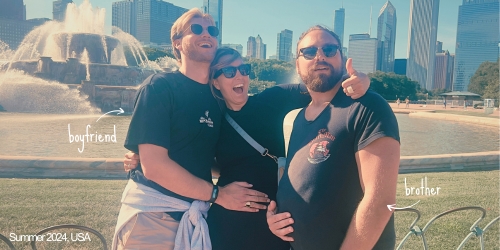
Ik werd onverwacht, maar heel gewenst zwanger. Mijn vriend en ik waren helemaal in de gloria en hadden echt zin in dit nieuwe onverwachte avontuur. Langzaam deelden we het nieuws met vrienden en familieen ik voelde totaal geen angsten of onzekerheiden. Voelde me ook nog eens kiplekker (geen vermoeidheid, misselijkheid etc). Ik had mijn yogaopleiding al een tijd daarvoor geboekt in het buitenland en kon dit gelukkig ook als zwangere vrouw voortzetten.
summer 2024

Augustus 2024
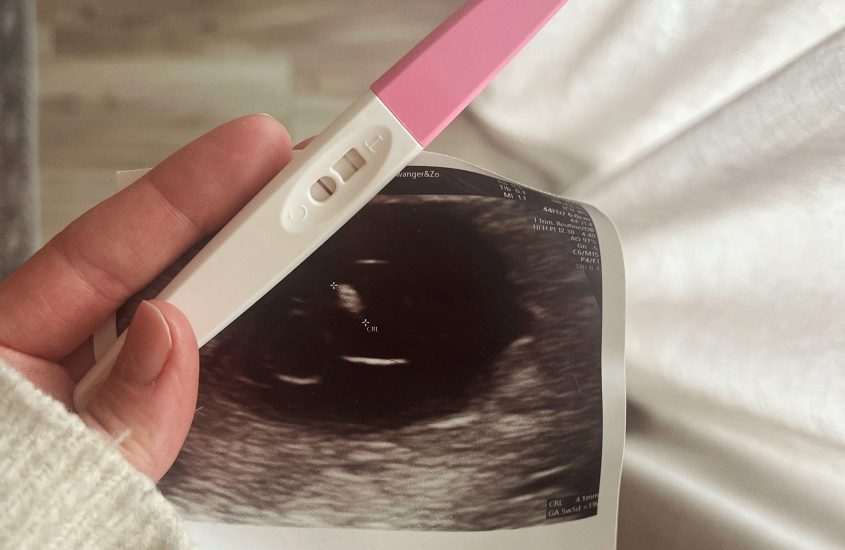
Maar toen kreeg ik zelf te maken met een grote mentale uitdaging. De eerste echo (in week negen) liet zien dat het groeien van de baby al bij vijf-zes weken gestopt was. Na tien weken kreeg ik helaas een miskraam. Dit bracht een zware fysieke en mentale periode met zich mee. Ik zal je in dit verhaal meenemen, naar het afgelopen jaar.

De miskraam was (op de natuurlijke manier, zonder medicatie) achter de rug en ik bleef heel erg moe. Zoals gebruikelijk, werd er na de miskraam wéér een echo gemaakt om te controleren of mijn baarmoeder leeg was. De arts liet mij weten dat dit het geval was (en gelukkig was dit zo, anders zou je bijvoorbeeld curratage moeten krijgen) en vervolgens kreeg ik eigenlijk te horen dat ik weer ‘door kon’—meer uitleg of begeleiding kreeg ik niet. Het voelde alsof ik in een ziekenhuis werd weggestuurd zonder echte informatie of tools om mijn lichaam en geest te helpen herstellen.

Ik voelde dat ik mijn herstel op een andere manier wilde aanpakken, vanuit een ayurvedisch, holistisch en natuurlijk perspectief. Ik was het namelijk zo zat, dat geklungel met mezelf. Mijn partner en ik hebben een vrij actief leven. We gaan er veel op uit, hebben veel lol samen en doen leuke dingen en ik wilde dit weer terug. Dat alles gewoon weer ”normaal was”. Little did I know…

September
Daarom zocht ik hulp bij een doula die ik ken via de yogaschool waar ik vaak kom. Mijn focus lag op dat moment vooral op, dat alles weer ”normaal” zou worden én het weer goed genoeg voelen om mijn yogaopleiding in Spanje voort te zetten, die al binnen vier tot vijf weken zou beginnen (na de miskraam).

Haar adviezen gaven me mentale rust en die rust gaf mijn lichaam de ruimte en overgave om fysiek te herstellen. Ik voelde me sterk genoeg om mijn dagelijkse routine weer op te pakken, rust te nemen en mijn opleiding in Spanje succesvol af te ronden.

6 weken na de miskraam….
Maar toen ik terugkwam uit Spanje en het gewone leven weer oppakte, ging het eigenlijk weer niet zo goed. Ik leek een terugval te hebben. Ik kreeg wekelijks steken in mijn bekkengebied, in de buurt van mijn rechter eileider. Iets wat ik nog nooit eerder had gevoeld. Dit hield mij bezig, het liet me niet los. Uit angst dat er iets mis was gegaan tijdens de miskraam liet ik het checken door de dokter. Zijn advies was dat het stress was, een logisch gevolg van alles wat ik had meegemaakt. De huisarts had hier geen ongelijk, maar dacht ook verder niet met me mee wat ik zou kunnen doen om de pijn en stress te verlichten. En ik mocht weer gaan…

1 jaar na de miskraam…
Voor wie mij niet kent, ik ben een persoon die vrij snel kan schakelen in situaties. Het loslaten van het idee dat ik niet meer zwanger zou zijn was heel jammer. Maar de acceptatie duurde overigens heel erg lang. En daarmee bedoel ik, dat er vooral veel gedachten waren waarom het dan bij mij niet gelukt was, en waarom ik de miskraam had? Verloskundigen en artsen komen niet verder dan: het is normaal en gebeurd bij 20% van de vrouwen. Maar, dit leek ik moeilijk te kunnen accepteren.

Die vervelende steken rond het bekkengebied bleven aanwezig voor een jaar lang. Ik liet ik de klacht voor wat het was. Voor artsen waren er geen alarmerende signalen want mijn cyclus en eisprong waren ‘gewoon’ elke maand stabiel aanwezig. Voor de huisarts geen reden genoeg voor vervolgonderzoeken.

Ik besloot het heft in eigen handen te nemen en actiever aan mijn gezondheid te werken. Samen met mijn orthomoleculair therapeut én ayurvedisch therapeut besprak ik de spanning die ik voelde in mijn bekkengebied en de klachten die ik daarvan ervoer in het dagelijks leven. Ik deed een darm en hormoononderzoek, kreeg en het belangrijkste van alles was het luisterend oor. EINDELIJK voelde ik mij serieus genomen en gehoord.

Langzaam kwam ik tot het besef dat mijn klachten nog een nasleep waren van alles wat er het afgelopen jaar gebeurd was. De trauma was dieper gaan zitten in mijn lichaam en was het nu aan mij om een vorm van acceptatie te vinden van het verlies.

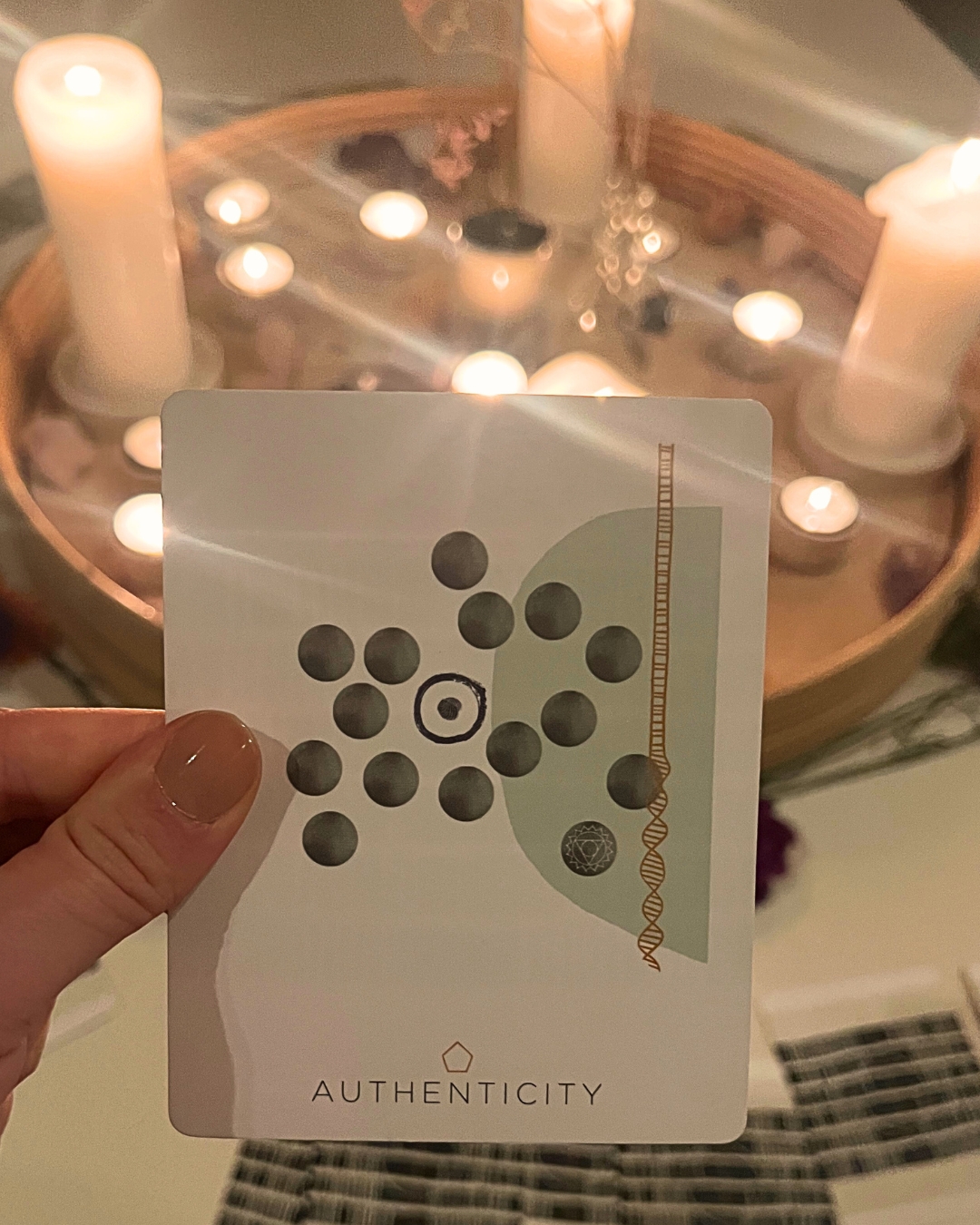
In dit proces leerde ik dat authenticiteit belangrijk is. Dat ik mijn eigen weg mocht volgen en dat elk pad naar herstel voor iedereen anders is. Ik zocht steeds meer rust en stilte op voor mijn lichaam, werkte ik aan mijn verbinding met mezelf, nam vaker vrij van mijn werk en deed leuke dingen samen met anderen.
Wat ooit begon als een nieuwsgierigheid vanuit mijn werk met huidproblemen, werd ineens een persoonlijke zoektocht naar balans en herstel op zowel lichamelijk als emotioneel vlak. En zo nam mijn interesse en toepassing van Ayurveda opeens een hele andere wending. Ayurveda bood mij handvatten om niet alleen mijn lichaam te ondersteunen, maar ook mijn geest tot rust te brengen. Het werd een leidraad in mijn herstelproces, een manier om weer verbinding te maken met mezelf en mijn natuurlijke ritmes te respecteren. Hierdoor kreeg ik weer vertrouwen in mijn eigen kracht en het vertrouwen dat heling mogelijk is, ook na zo’n ingrijpend verlies.

Daarom schrijf ik dit blog: om jou te inspireren. Het meemaken van een miskraam is helaas nog lang niet genoeg bespreekbaar. Het afgelopen jaar heb ik me vaak alleen gevoeld, ondanks dat ik een lieve partner heb met wie ik veel kan praten. Praten met vrouwen die hetzelfde hebben meegemaakt gaf me een gevoel van begrip en verbondenheid: het gevoel dat je niet alleen bent. Vaak hoorden we hetzelfde advies van artsen en hadden we dezelfde vragen na de gebeurtenis van een miskraam.
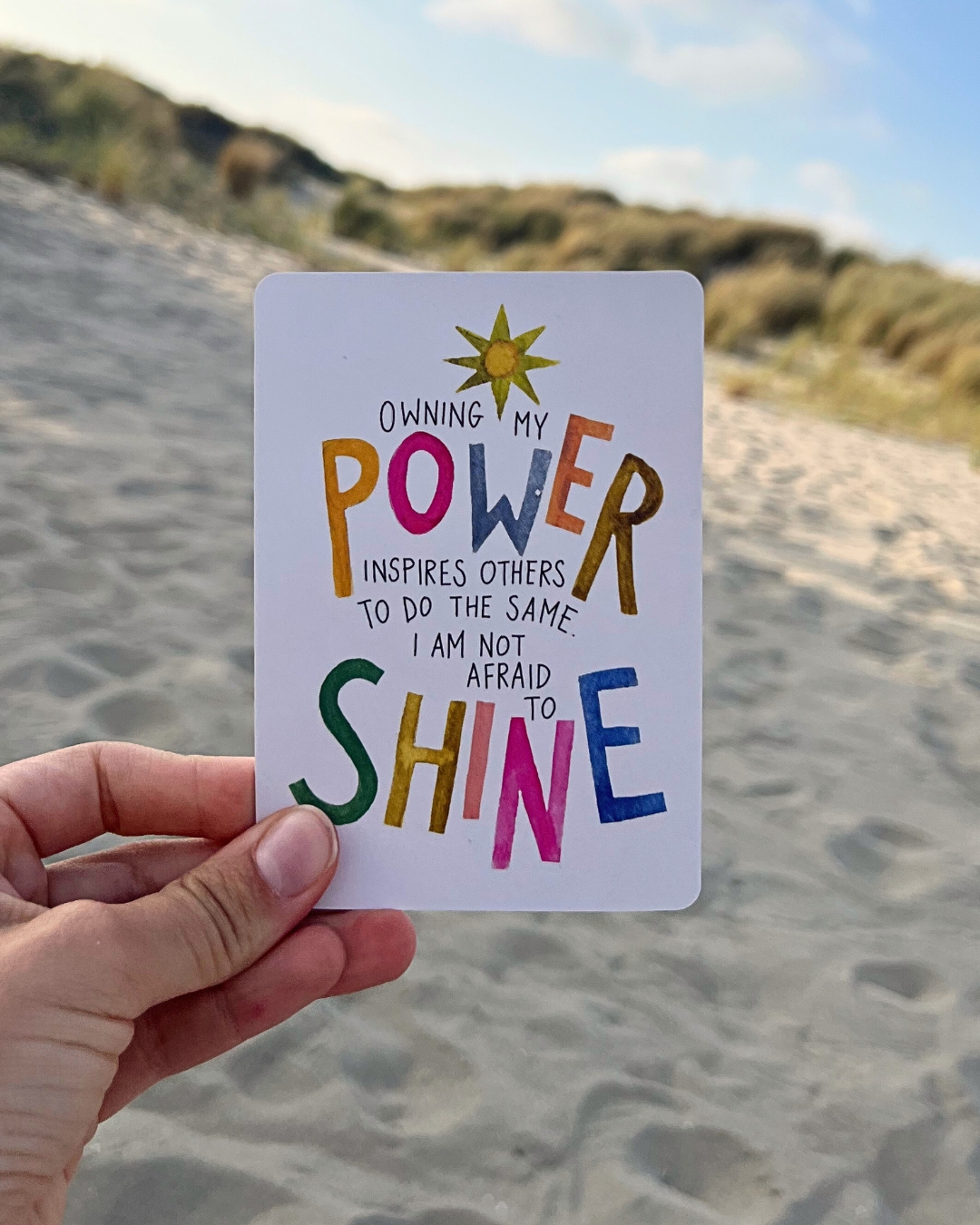
Als je dit leest en je herkent jezelf in mijn verhaal, wil ik je laten weten dat je er niet alleen voor staat. Het verwerken van een miskraam is zwaar en vaak onzichtbaar, maar samen kunnen we elkaar steunen en sterker maken. Voel je daarom altijd vrij om contact met mij op te nemen—of je nu je verhaal wilt delen, vragen hebt, of gewoon even wilt praten.

Liefs, Fabienne

Mail: info@dev.huidpraktijkrhoon.nl
Instagram: fabiennekonings (DM)
My Journey Into Yoga – How It All Began

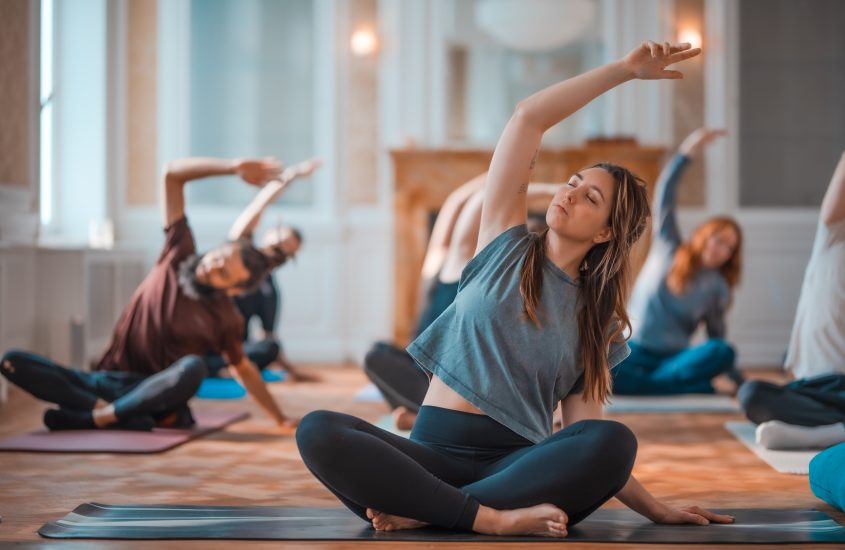
I’m naturally quite energetic, always on the move, and often all over the place. My mother once said: “Try yoga, it will calm you down.” So I took a few classes with a One Fit membership, but honestly? I quit after just two sessions. It moved too fast, and I mostly looked around to see what I was supposed to do. Not a success.

Still, something kept tugging at me. I knew that yoga isn’t really about how flexible you are, but about what it does for you internally. So I started practicing at home with online videos, to feel more confident in the poses and less distracted during a class.

Then suddenly, my life changed. My 13-year relationship ended, I moved, and had to start over. That’s when I truly felt: now I need yoga. I joined a yoga studio in Rotterdam.

Yoga has helped me calm my thoughts, create space between feeling and reaction, and stop taking every thought in my head so seriously. I got to know myself better than ever before.

After I found that balance within myself, it inspired me to share it with others and to combine it with my work as a skin therapist.

What I see time and time again is that many skin issues are linked to stress. Think of acne, eczema, or rosacea — the body often tells us more than we realize. Yoga isn’t a miracle cure that will instantly solve your skin problems — it’s not that simple.

But it can be a valuable first step. A way to calm your nervous system, deepen your breath, and reduce the production of stress hormones like cortisol. And that has an effect — on your skin, yes, but even more so on how you feel in your body.

That’s where the connection lies for me: working on the outside, with attention to the inside.

The Brain-Skin Connection: how does stress affect skin health?

Have you ever experienced a period or moment when your skin reveals that your body is under stress? For instance, by developing a pimple, or after a long stressful period, you look in the mirror one day and think, “Why do I look older?.” Curious about how this happens and how you can prevent it? Let’s find out how we can stay young and youthful!

Stress is a biologically generated reaction to potential danger. The fight-or-flight response is a defence mechanism that occurs when the brain detects acute danger. This can cause intense feelings of anxiety or stress, prompting the body to prepare to either fight or flight. During this dilemma, numerous stress hormones surge through the body to provide you with more oxygen and strength to run away from the danger or confront it.

When we give an important presentation, get stuck in traffic, or worry about the latest news, a form of stress is internalized. And this all begins in the brain. The hypothalamus, the part that controls your hormones, releases the so-called “adrenocorticotropic hormone” during times of stress. This triggers the pituitary gland, a pea-sized gland located at the base of the brain, behind the nose and sinuses. This gland then releases adrenocorticotropic hormone (ACTH) and stimulates the adrenal glands to produce the stress hormone ‘’cortisol’’. Cortisol is the primary stress hormone, and fortunately so, because this hormone helps you significantly when you need to quickly run away from a threatening situation.

However, when you produce cortisol and this hormone is not used for its intended purpose (fighting, flight, etc.), this accumulation negatively affects the body’s well-being. A buildup of stress hormones causes an inflammatory response in the body. This suppresses the immune system, making you more susceptible to infections from acne-causing bacteria, and there is also a chance that the skin’s oil production increases.

These two factors are the perfect combination for causing skin inflammation, a so-called pimple or acne.

Additionally, cortisol is responsible for the production of sebum in the skin. When there is too much sebum, it can combine with dead skin cells to create a white bump, known as a comedone. This white bump traps P. acnes bacteria, allowing them to thrive. In this way, you create a perfect living environment for bacteria, resulting in a pimple or acne.

It’s difficult to avoid stressful situations. As mentioned earlier, we occasionally get stuck in traffic or have to engage in an important conversation at work that brings some form of stress. These situations are unavoidable, but we can try to change our reaction to them so that cortisol production doesn’t become excessively high. We know now that cortisol gives you the strength to move forward, to fight or flight. You can also make good use of this strength by practising a sport. Sometimes you just need to vent your anger or frustration, and a popular way to do this is boxing. Many people find relief in literally punching out all their strength and anger, which helps them to then put situations into perspective.

Furthermore, I want to briefly mention that your coping strategy (the way you react to a situation) in response to stress can indirectly have a negative effect on your skin. Think, for example, of scratching the skin, biting, or picking. Additionally, behaviors and lifestyle habits such as drinking alcohol, smoking, or eating unhealthily in large quantities also negatively impact the skin.

I could list many more solutions for dealing with stress, but the moral of this story is to make you aware that stressful situations do indeed impact our well-being. Find a method that works for you to cope with stressful situations. For instance, you could consider meditation or yoga. Both are proven methods for relieving stress.

Good Luck, and feel free to ask.

With love, Fabienne

Do crystals have healing properties?

“I find gemstones beautiful, and as a result, my home is filled with them. I have crystals in the form of loose stones, bracelets, pendants, and salt lamps in abundance. Additionally, I’ve collected some interesting books about gemstones that explain their healing properties. However, at the same time, I wonder, does all of this hold true? Or are they just ‘woo-woo vibes’… if you catch my drift? My partner (who has a scientific mindset) and I decided to investigate this positive healing and powerful effect. Let’s start by looking at how these crystals are formed because regardless, this is simply factual.”

How are crystals formed?
Most clear crystals were formed millions of years ago deep within the earth. They originated from magma, which sometimes took millions of years to cool down. Eventually, crystals formed from this cooled magma. These crystals resembled ice, a buildup of tiny crystals that eventually formed a larger crystal. The colour of crystals is ultimately determined by impurities mixed in, such as metals, aluminium, and iron. Millions of years ago, due to tectonic shifts, these crystals were eventually pushed to the surface. This made the crystals “easier” for us to find. Often, these are volcanic areas where crystals can be found (All Stones, 2019).

The theory behind the healing effect
According to the holistic approach associated with energetic crystal therapy, the body, mind, and soul of a person together form a whole, a unique individual. The body, mind, and soul must be in balance with each other for someone to feel healthy and comfortable (Semoea, 2016). Okay, so far so good. The therapeutic effect of gemstones is based on the energy vibrations of these stones from nature. By wearing a gemstone, it is believed that the human aura would be positively influenced.

It is also said that a disease or complaint is usually caused by an abnormal frequency in the vibrations of an organ or area in the body. By wearing a particular stone (or combination of stones), the influence on complaints and/or diseases can often be significant and can then be significantly reduced. What is meant is that, for example, if you have a headache, abnormal vibrations have occurred in the body. A gemstone could restore these abnormal vibrations, thereby reducing your headache.

To understand the healing power of gemstones, it is necessary to know which substances are present in the stones. As mentioned earlier, impurities such as metals, aluminium, and iron are mixed in during the formation process of gemstones. When wearing a gemstone on the skin, the energy field (or aura) of the stone can transfer to the energy field of the wearer. In this way, the substances present in the stone can release their healing power (Aroma-atelier, 2005).

The wearing of patches on the skin is increasingly common nowadays to allow medication to penetrate. While this theory is scientifically proven, this method of gemstone therapy could theoretically have “healing” effects. Perhaps this also explains why Hematite might work well against anaemia, considering this stone is pure iron oxide and could potentially be released into the skin. If it were to work, then the dose one would “receive” cannot be determined anaemia is not always caused by iron deficiency (Mens en Gezondheid, 2015).

My conclusion
The healing effect of gemstone therapy has not yet been scientifically proven. It is assumed that the healing effect is more likely related to the placebo effect (Semoea, 2019). A placebo is a fake medicine. It can be an injection, pill, surgery, or another treatment without a direct medical effect (Niemandsverdriet, 2016). This mechanism likely applies to gemstones as well. When I put all the information side by side and analyze it, I am not convinced about the remarkable healing power that these stones supposedly offer us. Will I now throw away all my pounds of stones and stop wearing them as jewellery? Certainly not. I find them to be beautiful natural phenomena and especially cosy in my living room and on my bedside table.

With love, Fabienne

This site is registered on Toolset.com as a development site.