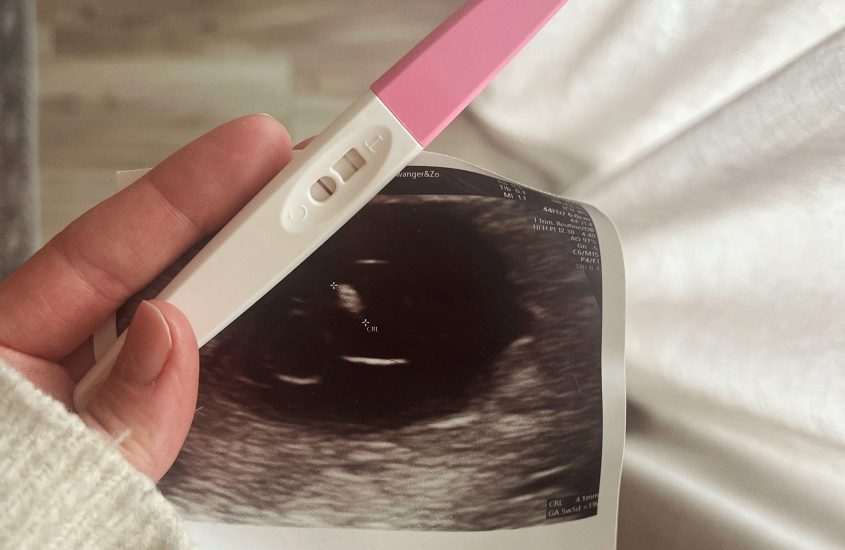
Mijn miskraam verhaal

Mijn interesse in Ayurveda ontstond vanuit mijn werk als huidtherapeut. Ik zag dat veel huidproblemen van binnenuit komen en dat stress het lichaam sterk beïnvloedt. Om dit beter te begrijpen, ben ik me gaan verdiepen in Ayurveda, met als doel mensen te helpen bij huidproblemen.

Juli 2024
Ik werd onverwacht, maar heel gewenst zwanger. Mijn vriend en ik waren helemaal in de gloria en hadden echt zin in dit nieuwe onverwachte avontuur. Langzaam deelden we het nieuws met vrienden en familieen ik voelde totaal geen angsten of onzekerheiden. Voelde me ook nog eens kiplekker (geen vermoeidheid, misselijkheid etc). Ik had mijn yogaopleiding al een tijd daarvoor geboekt in het buitenland en kon dit gelukkig ook als zwangere vrouw voortzetten.

summer 2024

Augustus 2024
Maar toen kreeg ik zelf te maken met een grote mentale uitdaging. De eerste echo (in week negen) liet zien dat het groeien van de baby al bij vijf-zes weken gestopt was. Na tien weken kreeg ik helaas een miskraam. Dit bracht een zware fysieke en mentale periode met zich mee. Ik zal je in dit verhaal meenemen, naar het afgelopen jaar.

De miskraam was (op de natuurlijke manier, zonder medicatie) achter de rug en ik bleef heel erg moe. Zoals gebruikelijk, werd er na de miskraam wéér een echo gemaakt om te controleren of mijn baarmoeder leeg was. De arts liet mij weten dat dit het geval was (en gelukkig was dit zo, anders zou je bijvoorbeeld curratage moeten krijgen) en vervolgens kreeg ik eigenlijk te horen dat ik weer ‘door kon’—meer uitleg of begeleiding kreeg ik niet. Het voelde alsof ik in een ziekenhuis werd weggestuurd zonder echte informatie of tools om mijn lichaam en geest te helpen herstellen.

Ik voelde dat ik mijn herstel op een andere manier wilde aanpakken, vanuit een ayurvedisch, holistisch en natuurlijk perspectief. Ik was het namelijk zo zat, dat geklungel met mezelf. Mijn partner en ik hebben een vrij actief leven. We gaan er veel op uit, hebben veel lol samen en doen leuke dingen en ik wilde dit weer terug. Dat alles gewoon weer ”normaal was”. Little did I know…

September
Daarom zocht ik hulp bij een doula die ik ken via de yogaschool waar ik vaak kom. Mijn focus lag op dat moment vooral op, dat alles weer ”normaal” zou worden én het weer goed genoeg voelen om mijn yogaopleiding in Spanje voort te zetten, die al binnen vier tot vijf weken zou beginnen (na de miskraam).

Haar adviezen gaven me mentale rust en die rust gaf mijn lichaam de ruimte en overgave om fysiek te herstellen. Ik voelde me sterk genoeg om mijn dagelijkse routine weer op te pakken, rust te nemen en mijn opleiding in Spanje succesvol af te ronden.

6 weken na de miskraam….
Maar toen ik terugkwam uit Spanje en het gewone leven weer oppakte, ging het eigenlijk weer niet zo goed. Ik leek een terugval te hebben. Ik kreeg wekelijks steken in mijn bekkengebied, in de buurt van mijn rechter eileider. Iets wat ik nog nooit eerder had gevoeld. Dit hield mij bezig, het liet me niet los. Uit angst dat er iets mis was gegaan tijdens de miskraam liet ik het checken door de dokter. Zijn advies was dat het stress was, een logisch gevolg van alles wat ik had meegemaakt. De huisarts had hier geen ongelijk, maar dacht ook verder niet met me mee wat ik zou kunnen doen om de pijn en stress te verlichten. En ik mocht weer gaan…

1 jaar na de miskraam…
Voor wie mij niet kent, ik ben een persoon die vrij snel kan schakelen in situaties. Het loslaten van het idee dat ik niet meer zwanger zou zijn was heel jammer. Maar de acceptatie duurde overigens heel erg lang. En daarmee bedoel ik, dat er vooral veel gedachten waren waarom het dan bij mij niet gelukt was, en waarom ik de miskraam had? Verloskundigen en artsen komen niet verder dan: het is normaal en gebeurd bij 20% van de vrouwen. Maar, dit leek ik moeilijk te kunnen accepteren.

Die vervelende steken rond het bekkengebied bleven aanwezig voor een jaar lang. Ik liet ik de klacht voor wat het was. Voor artsen waren er geen alarmerende signalen want mijn cyclus en eisprong waren ‘gewoon’ elke maand stabiel aanwezig. Voor de huisarts geen reden genoeg voor vervolgonderzoeken.

Ik besloot het heft in eigen handen te nemen en actiever aan mijn gezondheid te werken. Samen met mijn orthomoleculair therapeut én ayurvedisch therapeut besprak ik de spanning die ik voelde in mijn bekkengebied en de klachten die ik daarvan ervoer in het dagelijks leven. Ik deed een darm en hormoononderzoek, kreeg en het belangrijkste van alles was het luisterend oor. EINDELIJK voelde ik mij serieus genomen en gehoord.

Langzaam kwam ik tot het besef dat mijn klachten nog een nasleep waren van alles wat er het afgelopen jaar gebeurd was. De trauma was dieper gaan zitten in mijn lichaam en was het nu aan mij om een vorm van acceptatie te vinden van het verlies.

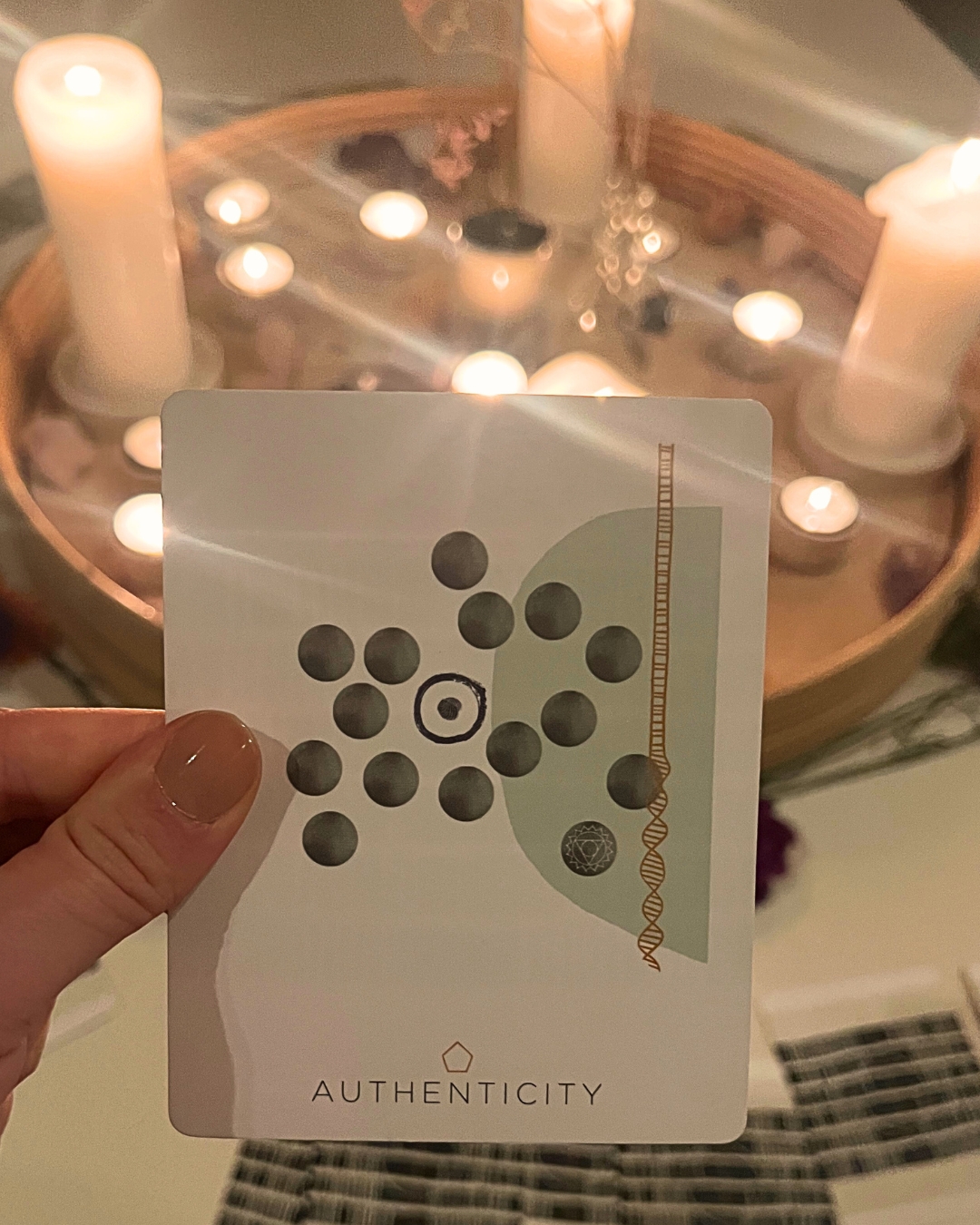
In dit proces leerde ik dat authenticiteit belangrijk is. Dat ik mijn eigen weg mocht volgen en dat elk pad naar herstel voor iedereen anders is. Ik zocht steeds meer rust en stilte op voor mijn lichaam, werkte ik aan mijn verbinding met mezelf, nam vaker vrij van mijn werk en deed leuke dingen samen met anderen.
Wat ooit begon als een nieuwsgierigheid vanuit mijn werk met huidproblemen, werd ineens een persoonlijke zoektocht naar balans en herstel op zowel lichamelijk als emotioneel vlak. En zo nam mijn interesse en toepassing van Ayurveda opeens een hele andere wending. Ayurveda bood mij handvatten om niet alleen mijn lichaam te ondersteunen, maar ook mijn geest tot rust te brengen. Het werd een leidraad in mijn herstelproces, een manier om weer verbinding te maken met mezelf en mijn natuurlijke ritmes te respecteren. Hierdoor kreeg ik weer vertrouwen in mijn eigen kracht en het vertrouwen dat heling mogelijk is, ook na zo’n ingrijpend verlies.

Daarom schrijf ik dit blog: om jou te inspireren. Het meemaken van een miskraam is helaas nog lang niet genoeg bespreekbaar. Het afgelopen jaar heb ik me vaak alleen gevoeld, ondanks dat ik een lieve partner heb met wie ik veel kan praten. Praten met vrouwen die hetzelfde hebben meegemaakt gaf me een gevoel van begrip en verbondenheid: het gevoel dat je niet alleen bent. Vaak hoorden we hetzelfde advies van artsen en hadden we dezelfde vragen na de gebeurtenis van een miskraam.
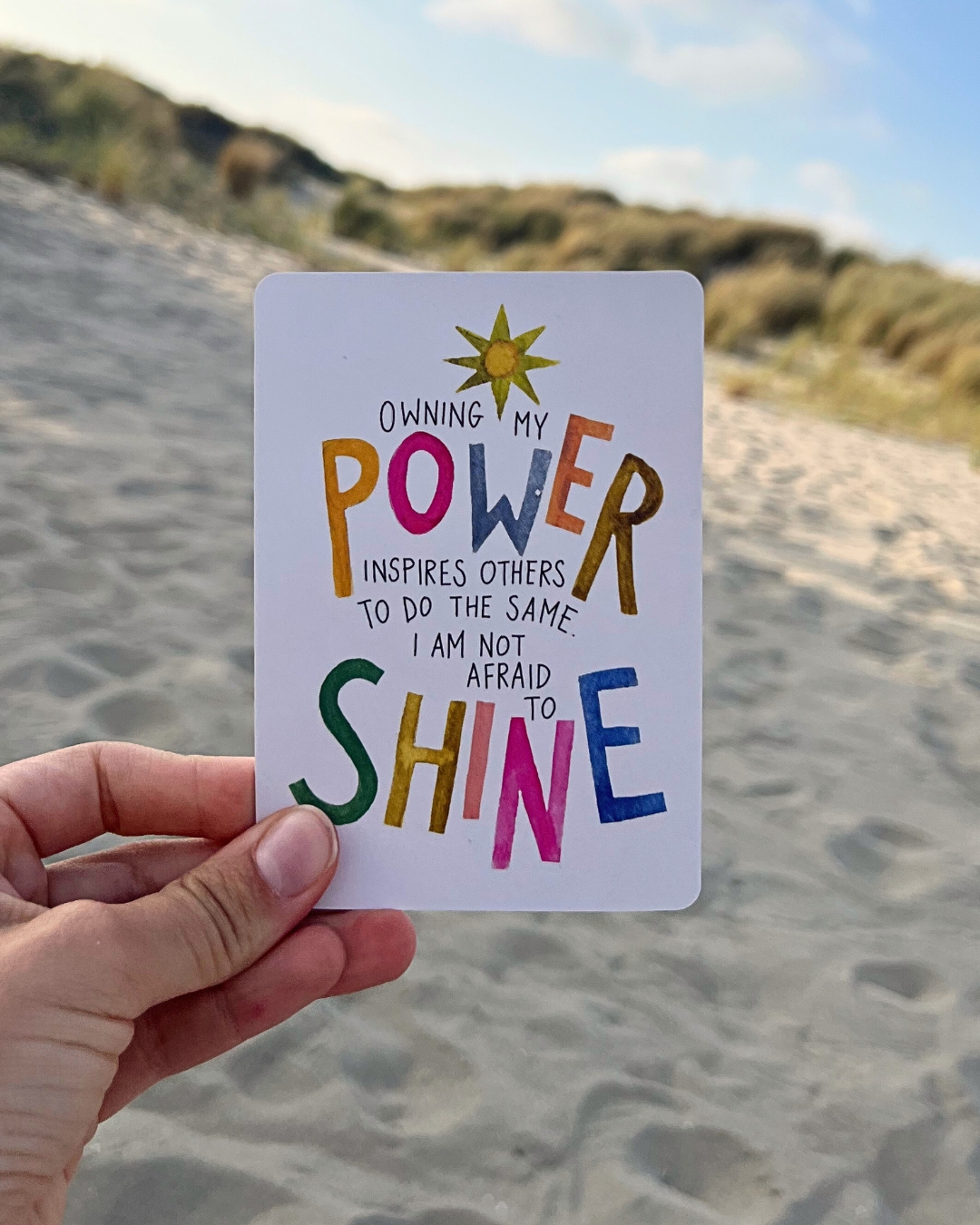
Als je dit leest en je herkent jezelf in mijn verhaal, wil ik je laten weten dat je er niet alleen voor staat. Het verwerken van een miskraam is zwaar en vaak onzichtbaar, maar samen kunnen we elkaar steunen en sterker maken. Voel je daarom altijd vrij om contact met mij op te nemen—of je nu je verhaal wilt delen, vragen hebt, of gewoon even wilt praten.

Liefs, Fabienne

Mail: info@dev.huidpraktijkrhoon.nl
Instagram: fabiennekonings (DM)
How Meditation, Nutrition, and Yoga Can Revitalize Your Skin and Improve Health

In a society where everything moves quickly, we also want to see fast results. When we have a headache, we quickly reach for paracetamol, while a headache usually wants to tell you that you might have taken on too much in the last few days and that you need to slow down. The “pressure” literally becomes too high.

To speak from my own experience, this is often the case with skin problems as well. From my experience as a skin therapist, I can say that many issues ultimately stem from stress, which is often chronic. It also makes it clear that skin problems often reflect what is happening in our bodies and mind.

Coping behaviour can be a result of stress on the body. Think about smoking, drinking alcohol in various amounts, poor nutrition, picking at the skin, or scratching/pinching. This is often unconscious behaviour. Many people do not connect their old habits to current complaints because they have “always done it this way.” The body can give signals for years that we ignore until it manifests in a way we can no longer overlook. Often, I see fatigue accompany skin issues, as well as digestive problems, emotional issues, weight changes, palpitations, or breathing problems. Unfortunately, this is often seen as normal. But these are precisely the signals your body is sending you. We have simply forgotten how to feel or listen to these signals.

As I mentioned at the beginning of my article, we live in a society where we just want a cream or a pill for the aforementioned complaints and skin problems. Of course, this can make a difference, but often these are short-term solutions.

Therefore, I want to inspire you towards a long-term solution. So, let’s start at the beginning. It’s time to turn inward again, go back to basics, and learn to listen to the signals from our bodies. But be aware, that this is not a quick fix. This requires discipline, awareness, and a lifestyle change.

  1. Meditation
    Many people are unaware of their feelings and thoughts, especially in our busy society. Meditating for 10 to 20 minutes daily provides the opportunity to pause and turn inward. This allows you to observe your thoughts and emotions without reacting immediately, leading to greater self-knowledge and inner peace. Meditation creates space for self-reflection, reduces stress, and helps you view situations from a distance. This results in clarity, enabling you to make more conscious, healthier choices in daily life.

Everyone nowadays has a Spotify account filled with guided meditations. Find someone you connect with and whose voice you enjoy. I find the meditations by Michael Pilarzich very pleasant; give it a try if you don’t know where to start.

  1. Nutrition
    What I often hear in practice is, “Yes, but I eat healthily.” My first question is, “What is your definition of healthy eating?” This can vary from person to person. Furthermore, I don’t believe in a single dietary pattern that is universally healthy for everyone. This perspective is more aligned with Ayurveda and orthomolecular therapy. Here are a few practical tips for a good start:
  • Eliminate soft drinks from your daily routine. Alcohol too, of course. 😉
  • Plan and prepare your meals.
  • No more processed or packaged snacks. Make your own instead!
  • Start your day with a healthy breakfast; this ensures a good start. People are often more motivated to choose other meals and snacks more consciously afterwards.
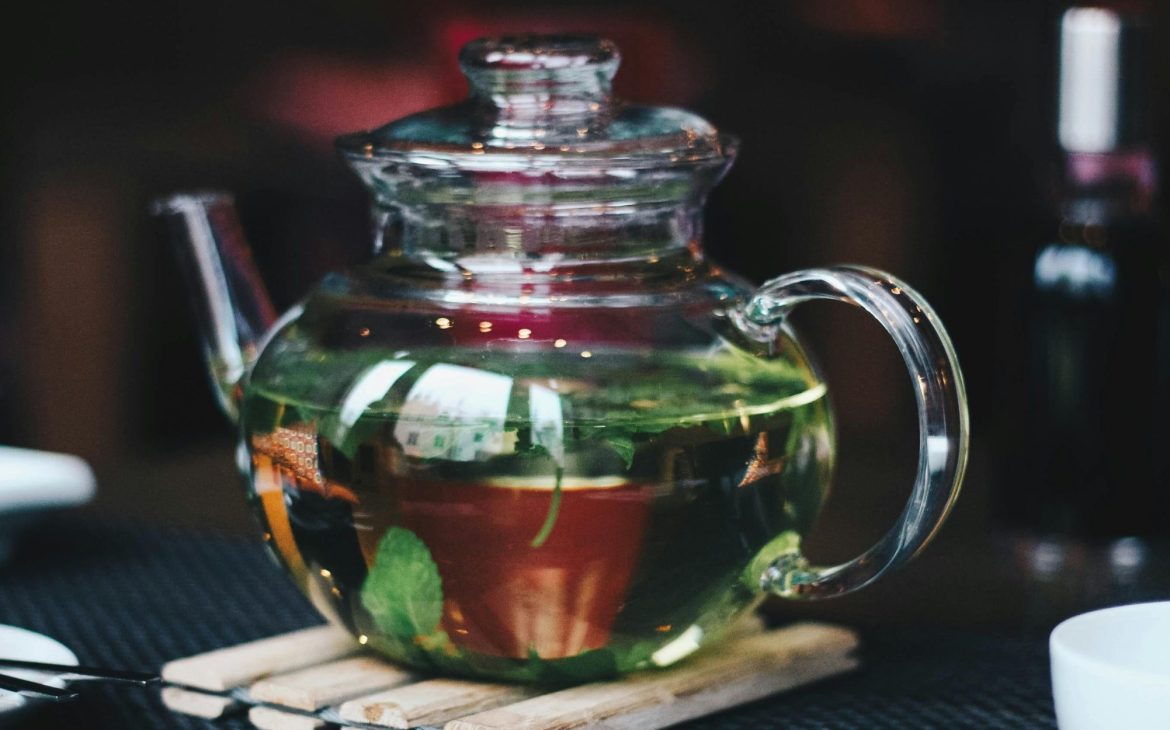
  • Opt for lavender tea, chamomile tea, mint tea or ginger tea.
  1. Sleep
    Implement an improved sleep pattern. I don’t need to explain that sleep is essential for the recovery of body and mind. A lack of sleep can affect not only your energy levels but also your skin, hormones, and mental clarity.
  2. (Yin) Yoga!
    You might be thinking: “What will body poses do for my skin?” Well, yoga has a rejuvenating effect on your body. This has to do with fascia. Fascia, the connective tissue that surrounds muscles, organs, and other structures in the body, plays an important role in Yin Yoga and can have a rejuvenating effect on both body and mind. By providing prolonged stretching and relaxation during Yin Yoga, flexibility increases and muscle tension decreases. This improves circulation, allowing oxygen and nutrients to be transported better to the cells, resulting in a healthier and more youthful appearance. Moreover, the calming nature of Yin Yoga helps to reduce stress, contributes to better mental and emotional well-being, and fosters a deeper connection between body and mind.

You can easily start a Yin Yoga class by playing a YouTube video at home. Starting doesn’t have to be difficult. Motivate and discipline yourself in this. However, nothing beats attending a yoga class in a pleasant space, where you are personally guided by an instructor. He or she can also correct you so you know you’re in the right pose.

I hope this article has provided you with some insight into finding balance, peace, and routine in daily life. You could say this is a beautiful beginning to returning to yourself. However, often you need to make a complete 360-degree turn. Learn to evaluate your relationships, for example. Are the people you interact with daily good for you? Do they give you energy, or do they drain it? Also, think about your job. Do you go to work every day with joy? Or is it time for something new?

If you do what you have always done, you will get what you have always gotten. And with that, I will conclude the article.

Namaste, dear all!

The Brain-Skin Connection: how does stress affect skin health?

Have you ever experienced a period or moment when your skin reveals that your body is under stress? For instance, by developing a pimple, or after a long stressful period, you look in the mirror one day and think, “Why do I look older?.” Curious about how this happens and how you can prevent it? Let’s find out how we can stay young and youthful!

Stress is a biologically generated reaction to potential danger. The fight-or-flight response is a defence mechanism that occurs when the brain detects acute danger. This can cause intense feelings of anxiety or stress, prompting the body to prepare to either fight or flight. During this dilemma, numerous stress hormones surge through the body to provide you with more oxygen and strength to run away from the danger or confront it.

When we give an important presentation, get stuck in traffic, or worry about the latest news, a form of stress is internalized. And this all begins in the brain. The hypothalamus, the part that controls your hormones, releases the so-called “adrenocorticotropic hormone” during times of stress. This triggers the pituitary gland, a pea-sized gland located at the base of the brain, behind the nose and sinuses. This gland then releases adrenocorticotropic hormone (ACTH) and stimulates the adrenal glands to produce the stress hormone ‘’cortisol’’. Cortisol is the primary stress hormone, and fortunately so, because this hormone helps you significantly when you need to quickly run away from a threatening situation.

However, when you produce cortisol and this hormone is not used for its intended purpose (fighting, flight, etc.), this accumulation negatively affects the body’s well-being. A buildup of stress hormones causes an inflammatory response in the body. This suppresses the immune system, making you more susceptible to infections from acne-causing bacteria, and there is also a chance that the skin’s oil production increases.

These two factors are the perfect combination for causing skin inflammation, a so-called pimple or acne.

Additionally, cortisol is responsible for the production of sebum in the skin. When there is too much sebum, it can combine with dead skin cells to create a white bump, known as a comedone. This white bump traps P. acnes bacteria, allowing them to thrive. In this way, you create a perfect living environment for bacteria, resulting in a pimple or acne.

It’s difficult to avoid stressful situations. As mentioned earlier, we occasionally get stuck in traffic or have to engage in an important conversation at work that brings some form of stress. These situations are unavoidable, but we can try to change our reaction to them so that cortisol production doesn’t become excessively high. We know now that cortisol gives you the strength to move forward, to fight or flight. You can also make good use of this strength by practising a sport. Sometimes you just need to vent your anger or frustration, and a popular way to do this is boxing. Many people find relief in literally punching out all their strength and anger, which helps them to then put situations into perspective.

Furthermore, I want to briefly mention that your coping strategy (the way you react to a situation) in response to stress can indirectly have a negative effect on your skin. Think, for example, of scratching the skin, biting, or picking. Additionally, behaviors and lifestyle habits such as drinking alcohol, smoking, or eating unhealthily in large quantities also negatively impact the skin.

I could list many more solutions for dealing with stress, but the moral of this story is to make you aware that stressful situations do indeed impact our well-being. Find a method that works for you to cope with stressful situations. For instance, you could consider meditation or yoga. Both are proven methods for relieving stress.

Good Luck, and feel free to ask.

With love, Fabienne

What is Ayurveda?

The body and mind are interconnected and constantly influence each other. Emotional stress, for example, can cause physical symptoms such as headaches or digestive problems, while physical pain can exacerbate emotional tension. As we are increasingly dominated by fast-paced living and stress in our lives nowadays, many people are turning more and more to a holistic approach to well-being, which addresses both the body and the mind. By treating both aspects of human well-being, we can gain a deeper understanding of the causes of health problems.

One such approach/method that is gaining popularity is Ayurveda. This is an ancient healing system that originated in India over 5000 years ago. Translated from Sanskrit, “Ayur” means life and “Veda” means knowledge. Ayurveda thus means the knowledge of life.

Although Ayurveda is not very well known in the Western world, it is the only non-allopathic medical system fully accepted and recognized by the World Health Organization (WHO). In other words, Ayurveda is the only alternative healing system recognized by the WHO. The recognition of Ayurveda by the WHO means that it is considered a valuable source/method of healthcare.

It is important to note, however, that recognition by the WHO does not necessarily mean that all aspects of Ayurveda have been scientifically proven or that it is considered a replacement for conventional medical treatments. Rather, it emphasizes the importance of preserving and integrating traditional medical practices into the broader healthcare system, especially in cultures where these practices are deeply rooted.

Meeting in the Middle
To get the best of both worlds, a collaboration between Eastern and Western medicine would be beneficial, in my opinion. Combining conventional Western medical approaches with complementary and alternative therapies, such as acupuncture, herbal medicine, and Ayurveda, is called Integrative Medicine. By integrating these approaches, patients can benefit from a wider range of treatments that address both physical and mental aspects of health.

Turning the Tide
As a skin therapist, I help people with skin problems achieve healthy, even skin. I’ve been doing this for 4 years. And in those 4 years, my biggest insight has been: skin problems often stem from stress. In such cases, an approach focused only on skincare and treatments is often not sufficient, and results lag behind. Much to the deep frustration of clients.

A holistic approach to (health) issues has caught my attention for years and has led me to decide to pursue basic training in Ayurveda. Perhaps this will enable me to inspire, inform, and provide tips and advice on a broader level!

Stay tuned!

Love, Fabienne

HOW DO WE KEEP OUR SKIN BARRIER HEALTHY?

Our outer skin layer (the epidermis) forms the skin barrier and plays a vital role. As the name ‘barrier’ suggests, this natural skin layer protects our skin from harmful external influences. To give you a clear picture, you can compare the skin barrier to the building blocks of a house. The building blocks protect the house from external influences such as wind, cold, heat, and rain. Essentially, the skin barrier does the same and shields us from external factors such as:

  • UV rays from the sun
  • Light from our phones/tablets, etc. (blue light)
  • Environmental pollution
  • Aggressive or incorrect skincare products
  • Taking showers that are too hot

But also stress, diet, and lack of sleep can disrupt the skin barrier in the long term (internal factors). When the skin barrier is compromised, these external factors can more easily penetrate the skin and cause damage. Additionally, the skin is not able to retain moisture effectively, leading to dehydration.


The characteristics of a disrupted skin barrier include:

  • red skin
  • (quickly) irritated skin
  • comedones
  • pimpels
  • hyperpigmentation (pigmentspots)
  • fine lines
  • wrinkels
  • dull skin
  • dehydrated skin
  • itchy skin

Often, people have a combination of one or more of the factors mentioned above. But fortunately, the skin barrier can also be restored.

How do we keep the skin barrier healthy?
Start by reversing the factors mentioned above, for example, avoiding hot showers and protecting your skin from the sun using the right sunscreen. Also, it’s good to scrutinize the products you use daily. It’s possible that the products you’re using are too aggressive or not suitable for your skin type. It’s also not advisable to use cleansing brushes as they can be too harsh. If you wear a lot of makeup, it’s better to cleanse your skin twice with a cleanser.

When your skin barrier is disrupted, your skin may also be dehydrated, as mentioned earlier. In that case, it’s good to add a serum with hyaluronic acid to your daily routine. Hyaluronic acid helps retain moisture in the skin, thereby firming and soothing it.

Redness can also be caused by a disrupted skin barrier, but genetic predisposition often plays a role as well. How it develops varies from person to person. For some, it’s genetic, for others, it’s due to incorrect product use. The skin is often red when there are inflammations present, such as pimples. It’s important to soothe the skin well with the right products in such cases.

Hyperpigmentation in the form of age spots or post-inflammatory hyperpigmentation (PIH) – pigment spots after inflammation, is also caused by a disrupted skin barrier. The sun essentially has “free access” to cause pigmentation damage in the skin when it’s not properly protected and isn’t capable of protecting itself. This also happens when you don’t protect yourself daily with an SPF against the sun.

Wanna check your skincondition? Go to a practice for a consultation and see what your therapist can do for you. Goodluck!

Love, Fabienne

DO HIMALAYAN SALT LAMPS HAVE PURIFYING EFFECTS?


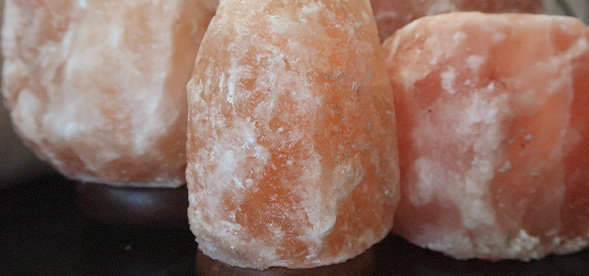
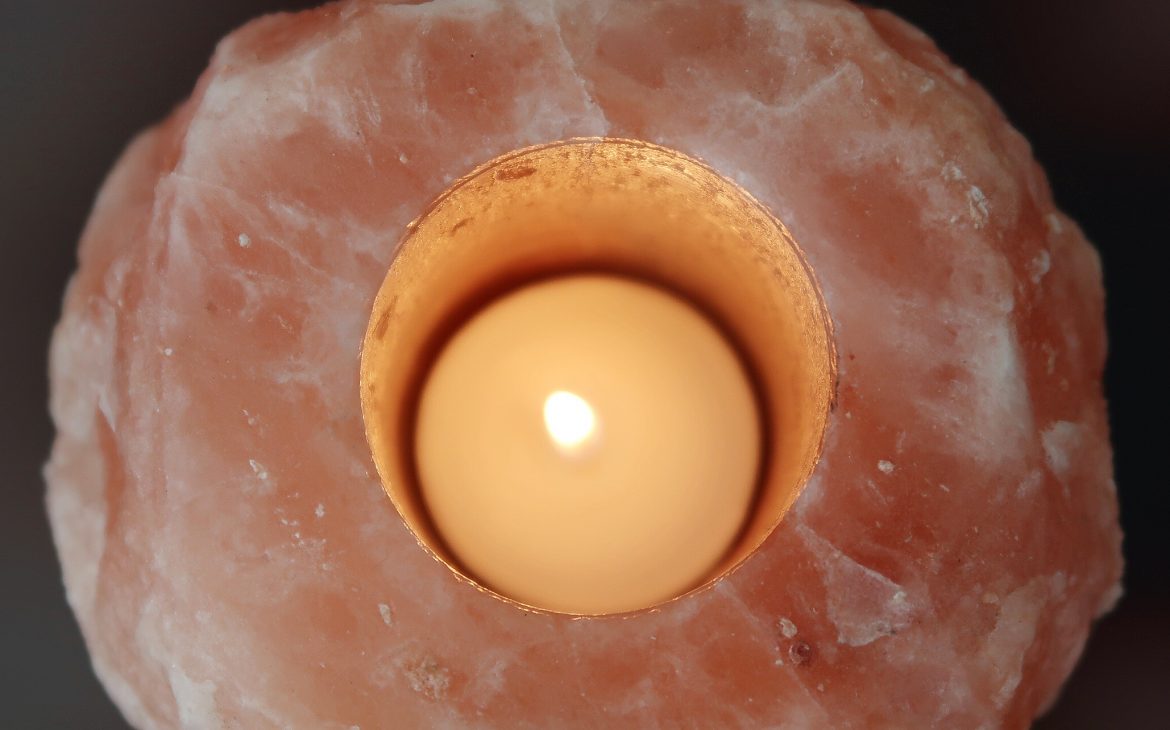
“A Himalayan salt lamp is a lamp made from a large piece of Himalayan salt, sourced from the Himalayan mountains. A hole is drilled into a salt chunk so that a lamp or tealight can be placed inside. These atmospheric lights are available in various shapes and sizes. The reason I have four Himalayan salt lamps in my house is mainly for the cosy natural atmosphere they create. However, the lamps are also said to have a ‘purifying’ effect. I’ve researched exactly how this works. Are you joining me?”

Ionization
An ionizer is a device that ionizes molecules. Ionization is the process in which an atom or molecule loses or gains an electron from its uncharged state. Ionizers produce a stream of charged particles (ion flow) in the air that cause dust particles in the environment to settle. In theory, this has a beneficial effect on air quality and may therefore affect health issues related to air quality, particularly asthma (De Meer, Duijm & Hall, 2010). Himalayan salt lamps are said to produce and subsequently release negatively charged ions into the air by heating the salt (through the lamp or candle). Research has shown that the amount of these ions is so low that it cannot be considered to have a similar positive effect (Ferreira, 2016).

Humidity
The air in your home contains moisture, known as humidity. Salt attracts water, so the salt lamp in your home draws in some of the humidity. Bacteria, allergens, and moulds present in the air are also drawn and attracted to the salt lamp, thereby “purifying” the air in your home. Salt doesn’t attract moisture, but the salt lamp consists of a molecular compound of NaCl (Sodium Chloride). The moisture in the air that comes into direct contact with it undergoes a chemical reaction. The H2O in the air that comes into contact with the salt lamp/NaCl undergoes a reaction. So, this would mean that only the moisture and bacteria floating around the salt lamp are attracted to it and purify that particular area of air.

So, if you want to completely “purify” the air in your home, you would need to stack quite a few salt lamps both horizontally and vertically so that the moisture in contact with the lamp can be attracted.

Just kidding! But if you do want to effectively purify the air in your home, you might consider investing in an air-purifying fan from Dyson, for example. Nonetheless, salt lamps remain very atmospheric, and that’s why I have them in my home. If you’re interested in getting a salt lamp yourself, I’ve listed some places below where you can buy them. However, it’s more fun to go to a store and choose one that you really like. Salt stones come in various types and sizes, and they are also reasonably affordable. The most popular variants are the tea light holders and the lamps.

Tip for the Rotterdam resident (or if you’re in Rotterdam): Pay a visit to Mystiek in Rotterdam at Schiedamse Vest 79 (Witte de Withkwartier). It’s a delightful store where you can find everything related to spirituality and health.

Sources:

de Meer, G., Duijm, F., Hall E. F. (2010) Ionisatoren en gezondheid. Geraadpleegd op 14 mei 2020 van: https://www.rivm.nl/bibliotheek/rapporten/609330004.pdf

Ferreira, M. (2016) Do Himalayan Salt Lamps Really Work? Geraadpleegd op 14 mei 2020 van: https://www.healthline.com/health/himalayan-salt-lamps

Do crystals have healing properties?

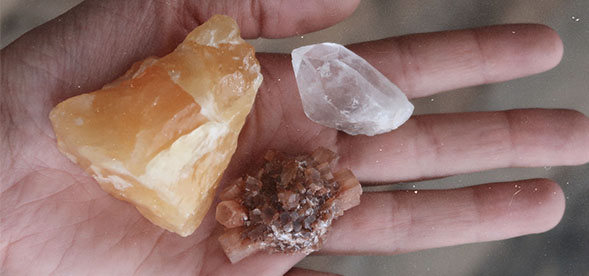
“I find gemstones beautiful, and as a result, my home is filled with them. I have crystals in the form of loose stones, bracelets, pendants, and salt lamps in abundance. Additionally, I’ve collected some interesting books about gemstones that explain their healing properties. However, at the same time, I wonder, does all of this hold true? Or are they just ‘woo-woo vibes’… if you catch my drift? My partner (who has a scientific mindset) and I decided to investigate this positive healing and powerful effect. Let’s start by looking at how these crystals are formed because regardless, this is simply factual.”

How are crystals formed?
Most clear crystals were formed millions of years ago deep within the earth. They originated from magma, which sometimes took millions of years to cool down. Eventually, crystals formed from this cooled magma. These crystals resembled ice, a buildup of tiny crystals that eventually formed a larger crystal. The colour of crystals is ultimately determined by impurities mixed in, such as metals, aluminium, and iron. Millions of years ago, due to tectonic shifts, these crystals were eventually pushed to the surface. This made the crystals “easier” for us to find. Often, these are volcanic areas where crystals can be found (All Stones, 2019).

The theory behind the healing effect
According to the holistic approach associated with energetic crystal therapy, the body, mind, and soul of a person together form a whole, a unique individual. The body, mind, and soul must be in balance with each other for someone to feel healthy and comfortable (Semoea, 2016). Okay, so far so good. The therapeutic effect of gemstones is based on the energy vibrations of these stones from nature. By wearing a gemstone, it is believed that the human aura would be positively influenced.

It is also said that a disease or complaint is usually caused by an abnormal frequency in the vibrations of an organ or area in the body. By wearing a particular stone (or combination of stones), the influence on complaints and/or diseases can often be significant and can then be significantly reduced. What is meant is that, for example, if you have a headache, abnormal vibrations have occurred in the body. A gemstone could restore these abnormal vibrations, thereby reducing your headache.

To understand the healing power of gemstones, it is necessary to know which substances are present in the stones. As mentioned earlier, impurities such as metals, aluminium, and iron are mixed in during the formation process of gemstones. When wearing a gemstone on the skin, the energy field (or aura) of the stone can transfer to the energy field of the wearer. In this way, the substances present in the stone can release their healing power (Aroma-atelier, 2005).

The wearing of patches on the skin is increasingly common nowadays to allow medication to penetrate. While this theory is scientifically proven, this method of gemstone therapy could theoretically have “healing” effects. Perhaps this also explains why Hematite might work well against anaemia, considering this stone is pure iron oxide and could potentially be released into the skin. If it were to work, then the dose one would “receive” cannot be determined anaemia is not always caused by iron deficiency (Mens en Gezondheid, 2015).

My conclusion
The healing effect of gemstone therapy has not yet been scientifically proven. It is assumed that the healing effect is more likely related to the placebo effect (Semoea, 2019). A placebo is a fake medicine. It can be an injection, pill, surgery, or another treatment without a direct medical effect (Niemandsverdriet, 2016). This mechanism likely applies to gemstones as well. When I put all the information side by side and analyze it, I am not convinced about the remarkable healing power that these stones supposedly offer us. Will I now throw away all my pounds of stones and stop wearing them as jewellery? Certainly not. I find them to be beautiful natural phenomena and especially cosy in my living room and on my bedside table.

With love, Fabienne

What is the secret of Manuka honey and its healing properties?

Manuka Honey is made by bees from the Manuka bush in New Zealand and Australia. It is one of the most unique types of honey because it is considered to be very potent compared to other varieties. Prices for a jar of Manuka honey range from 20 to 70 euros. I will explain the reasons for this price difference later in this article.

The effectiveness of Manuka Honey
Several decades ago, researchers from various groups examined the honey. They concluded that Manuka honey possesses strong antibacterial properties, higher than in other types of honey. Manuka honey can be used to treat various ailments such as insomnia, gastrointestinal issues (SIBO), acne, eczema, (burn) wounds, insomnia, and gum inflammation.

Here’s what you need to know before purchasing a jar:
The antibacterial activity in the honey is called the Unique Manuka Factor (UMF). The higher the active UMF value, the stronger the healing effect. For example, a label indicating 15+ has the same antiseptic effect as a solution containing 15% Phenol, a disinfectant. The level of UMF contained in the honey can vary by region, season, and also depends on the period of flowering and harvesting.

UMF is registered as a global trademark to guarantee the quality of the honey. To use the UMF designation, the active value must be 10 or higher.

The antibacterial activity of Manuka honey has also been found to be related to Methylglyoxal (MGO). This is the compound that contains the antibacterial properties. In regular honey, this compound is found in proportions of 20-50 mg/kg. In Manuka honey, however, this compound is found in such high concentrations (up to 800 mg/kg) that the antibacterial activity can truly be considered unique. This is the reason why Manuka honey and derived products are much more expensive than “ordinary” honey (5).

Comparison Overview of UMF and MGO:
UMF 10+ MGO 100
UMF 15+ MGO 250
UMF 20+ MGO 400
UMF 25+ MGO 550

Price Difference
There are (active) Manuka honey brands that do not have a UMF® license. The antibacterial efficacy of these honey brands without this license cannot be guaranteed. This explains the price difference. A UMF value below 10 is not stable in its efficacy and therefore cannot be called medicinal Manuka honey.

Therefore, always look for the license number when purchasing Manuka honey. This is indicated on the jar’s sticker. Moreover, regulations in New Zealand also stipulate that Manuka honey must be packaged, sealed, and labelled in New Zealand (5).

Does Manuka honey really work for acne?
Let’s return to what Manuka honey can do for your skin. The internet is slowly filling up with claims that Manuka honey is the miracle cure for acne and eczema patients. At the moment, there have not been enough clinical studies to support these claims. However, given its proven antimicrobial and healing properties, it is believed that honey may help with these skin conditions (3).

You could always give it a try, as I did. Trying can’t hurt (unless you have a bee or pollen allergy). I don’t personally suffer from acne, but you can still use Manuka honey as a facial mask. My skin became very soft and hydrated as a result. If you want to try honey to get rid of your pimples, apply it to the affected areas for 15-20 minutes, then rinse it off with water. Repeat this daily or every other day for the best results.

Below is a list of some honey jars that have UMF license:

  • Manuka Health Manuka Honing Mgo 550+ (250g)
  • MANUKA HONING (MGO ≥ 514 =) UMF® 15+ 250gr / MANUKORA
  • Manuka Honing umf 10+ 250 gram

Let me know your thoughts! Good luck!

With love,, Fabienne

Do Jade Rollers Work?

Some of you may have known about this facial roller (Gua Sha Roller) for years (which doesn’t surprise me, given that this roller dates back to the 7th century), but I only discovered this fun tool a few months ago: “The facial roller – made of Jade or Rose Quartz (a gemstone) – is a tool that is supposed to have relaxing effects”. It was used as a beauty tool by empresses in China to maintain the youthfulness of the skin. I see the roller popping up more and more with trendy, natural cosmetic brands. Small disclaimer: I have never used the roller, I am very sceptical but at the same time a little curious about its effectiveness. That’s why I delved into it. Are you ready to see if this facial roller is worth trying?

The functionality of the roller
If we are to believe the internet, the stone helps to firm the skin through gentle massage movements. It also assists in supporting the lymphatic system, a system in our body that removes waste products. Jade works Physically strong cleansing, balances various bodily systems, and removes toxins from the body. It is said to help reduce stress and tension in the body.

The roller is said to be good for:

  • improving skin elasticity;
  • reducing puffiness and fine lines;
  • relaxing facial muscle tension;
  • helping products to absorb better.

How to use the roller?
After cleansing your face with a cleanser and toner, apply some facial oil to your face. The oil helps the facial roller to glide easily over the skin, while the roller will enhance the absorption of the facial oil and amplify its benefits. When you place the roller in the refrigerator before use, this should provide an extra cooling effect.

My conclusion
Based on my own pragmatic view, knowledge, and the information I have read, I have come to the following conclusion: I think the roller does have a relaxing effect, but more so due to the movement and pressure exerted on the skin. Through the massaging movements, waste products are flushed out, the skin becomes more supple, and blood circulation is stimulated. However, these are the proven benefits commonly known from a massage. Whether the effect of the stone add value to these positive effects? I leave that question open. Will I use this roller myself in the future? Yes, why not? I think it certainly can’t hurt, even if only for relaxation.

Where to buy?

Herbivore (€34,68)

Bol.com (verschillende aanbieders) 

Coucou Jade Roller (€35,-)

With love, Fabienne

Bron 1: Mens-en-gezondheid, 2018. Wat zijn de voordelen van massage voor de gezondheid?. Geraadpleegd op: https://mens-en-gezondheid.infonu.nl/beauty/109346-wat-zijn-de-voordelen-van-massage-voor-de-gezondheid.html

Bron 2: Herbivore, 2018. Jade Facial Roller. Geraadpleegd op: https://www.herbivorebotanicals.com/collections/all/products/new-jade-facial-roller

The balance between body mind and soul.

What has been occupying my mind lately is how our brain influences our body. Psychology has always caught my attention, understanding how our brain functions and its impact on our body and the people around us. That’s why I watched the documentary “Heal” on Netflix, and I found it super inspiring. In this documentary, spiritual leaders, doctors, and people with chronic illnesses discuss the strong connection between the human psyche and physical health. According to these individuals, we have more control over our health and our lives than we think. The documentary showcases the beauty and uniqueness of the human body and its ability to heal itself.

The placebo effect was also briefly discussed. Take two groups of 100 people, both with, for example, headaches. Give one group a pain-relieving medication and give the other group a saline solution (a placebo). The test was conducted blindly. The results showed that both groups ultimately experienced significant relief from their pain. While for one group, this may have been due to the pain-relieving medication, what about the other group? This immediately got me thinking about how this applies to skincare. It’s quite interesting to delve deeper into, don’t you think?

After some Googling, I found an article indicating that through an approach like the one described above, patients with the skin disease psoriasis were ultimately able to use half the amount of steroid cream.

It has been shown that stress has a huge impact on our bodies. I think we can all say that we have dealt with this at some point. For everyone, this manifests differently, of course; some get stomach cramps, others get pimples, and still others experience hair loss. These are all ailments that we may be able to control if we train ourselves to do so. I’ve previously written a column in the NTVH about becoming more aware of your “beauty rituals” or maybe just being more mindful of the things we do. Although it’s difficult in a society where everything moves at a rapid pace, I try to be more conscious of it myself.

As I mentioned earlier, the human brain has always fascinated me. When the book “The Secret” came out, my mother quickly got it and enthusiastically told my brother and me about certain theories and how much more possibilities life can offer you when you apply the “law of attraction” in your life. Many of these theories have stuck with me. It’s a topic that has been occupying me more and more over the past few months, so I think you’ll read more of these thoughts on my blog in the future and how you can apply them. I’m convinced that when you feel good about yourself, you’ll also radiate that. So, the last thing I want to leave you within this blog is to watch the documentary and let it sink in. I’m curious to hear what you think about it!

With love, Fabienne

Bron: Radar, 2016. Het placebo-effect: positief resultaat na ‘nep-behandeling’. Geraadpleegd op: https://radar.avrotros.nl/hulp-tips/hulpartikelen/item/het-placebo-effect-positief-resultaat-na-nep-behandeling/

This site is registered on Toolset.com as a development site.