Do crystals have healing properties?

“I find gemstones beautiful, and as a result, my home is filled with them. I have crystals in the form of loose stones, bracelets, pendants, and salt lamps in abundance. Additionally, I’ve collected some interesting books about gemstones that explain their healing properties. However, at the same time, I wonder, does all of this hold true? Or are they just ‘woo-woo vibes’… if you catch my drift? My partner (who has a scientific mindset) and I decided to investigate this positive healing and powerful effect. Let’s start by looking at how these crystals are formed because regardless, this is simply factual.”

How are crystals formed?
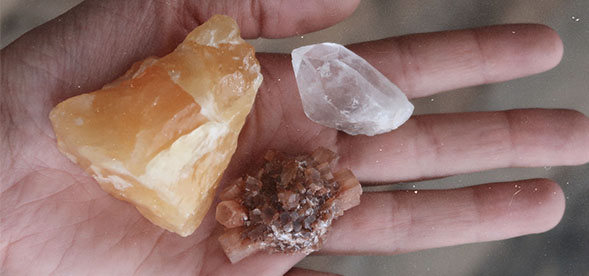
Most clear crystals were formed millions of years ago deep within the earth. They originated from magma, which sometimes took millions of years to cool down. Eventually, crystals formed from this cooled magma. These crystals resembled ice, a buildup of tiny crystals that eventually formed a larger crystal. The colour of crystals is ultimately determined by impurities mixed in, such as metals, aluminium, and iron. Millions of years ago, due to tectonic shifts, these crystals were eventually pushed to the surface. This made the crystals “easier” for us to find. Often, these are volcanic areas where crystals can be found (All Stones, 2019).

The theory behind the healing effect
According to the holistic approach associated with energetic crystal therapy, the body, mind, and soul of a person together form a whole, a unique individual. The body, mind, and soul must be in balance with each other for someone to feel healthy and comfortable (Semoea, 2016). Okay, so far so good. The therapeutic effect of gemstones is based on the energy vibrations of these stones from nature. By wearing a gemstone, it is believed that the human aura would be positively influenced.

It is also said that a disease or complaint is usually caused by an abnormal frequency in the vibrations of an organ or area in the body. By wearing a particular stone (or combination of stones), the influence on complaints and/or diseases can often be significant and can then be significantly reduced. What is meant is that, for example, if you have a headache, abnormal vibrations have occurred in the body. A gemstone could restore these abnormal vibrations, thereby reducing your headache.

To understand the healing power of gemstones, it is necessary to know which substances are present in the stones. As mentioned earlier, impurities such as metals, aluminium, and iron are mixed in during the formation process of gemstones. When wearing a gemstone on the skin, the energy field (or aura) of the stone can transfer to the energy field of the wearer. In this way, the substances present in the stone can release their healing power (Aroma-atelier, 2005).

The wearing of patches on the skin is increasingly common nowadays to allow medication to penetrate. While this theory is scientifically proven, this method of gemstone therapy could theoretically have “healing” effects. Perhaps this also explains why Hematite might work well against anaemia, considering this stone is pure iron oxide and could potentially be released into the skin. If it were to work, then the dose one would “receive” cannot be determined anaemia is not always caused by iron deficiency (Mens en Gezondheid, 2015).

My conclusion
The healing effect of gemstone therapy has not yet been scientifically proven. It is assumed that the healing effect is more likely related to the placebo effect (Semoea, 2019). A placebo is a fake medicine. It can be an injection, pill, surgery, or another treatment without a direct medical effect (Niemandsverdriet, 2016). This mechanism likely applies to gemstones as well. When I put all the information side by side and analyze it, I am not convinced about the remarkable healing power that these stones supposedly offer us. Will I now throw away all my pounds of stones and stop wearing them as jewellery? Certainly not. I find them to be beautiful natural phenomena and especially cosy in my living room and on my bedside table.

With love, Fabienne

Are organic skincare products better for your skin?

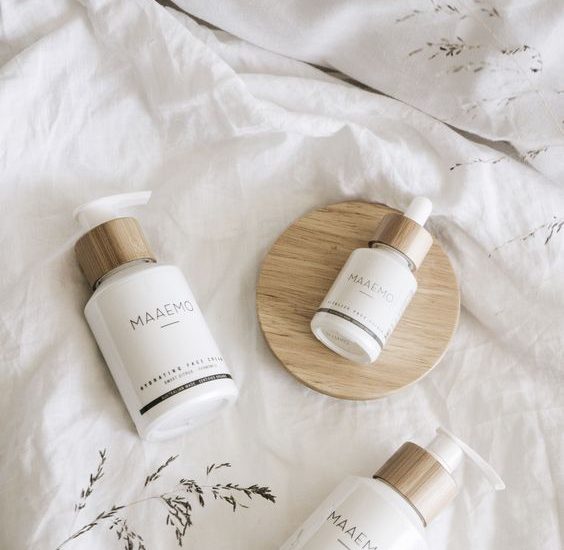
The ingredients used in cosmetics can be either synthetic or natural. In short, synthetic ingredients are substances made by humans, while natural ingredients are derived from nature. Most natural cosmetics manufacturers share a philosophy that could be described as using the goodness of nature and/or producing with respect for nature. If I believe what I see on the internet, in stores, or on my Instagram feed, people are becoming increasingly aware of the ingredients in the products we apply in our daily skincare routines. Consequently, more and more blogs are emerging that provide advice and tips on how to create a completely healthy lifestyle. But do natural products really work that well? Many of these bloggers believe that natural cosmetics actually contribute to healthier skin, but unfortunately, for more than half of natural ingredients, this has not yet been scientifically proven. In fact, many products are sold with added natural ingredients that you might not want to apply, such as lavender or mint, which can actually be irritating. But that’s not the only concern.

The effectiveness of a good product depends on multiple factors, not just active ingredients. Effectiveness depends on the processing, shelf life, concentration, purity, and stability.

And this processing starts with the extraction of ingredients because an extract from a cucumber or an aloe vera plant doesn’t go directly into a jar. Even if the ingredient comes from nature and is effective, to what extent does a product still fulfill its promise after undergoing several processes before it can be sold? For example, green tea naturally has a brown color. When this ingredient is added to a cream, it can only be added in low concentrations, or else the cream will turn brown. But to be effective, a higher concentration is needed. However, a brown cream is unattractive to most people. Ultimately, natural products often contain synthetic ingredients as well, which are often needed to maintain stability.

But don’t get me wrong, I’m not against natural products. Ingredients that have been proven to have a positive contribution include oatmeal, (manuka) honey, coconut oil, green tea, and soy. If they meet all the above conditions and provided you don’t have pre-existing skin problems, why not? Ultimately, it’s important that products contain ingredients that are safe, whether synthetic or natural. And when you combine the right ingredients from both sides, it’s ultimately about the right composition and stability. So… it all comes down to finding the right balance. 😉

If you want to know how the use of ingredients in cosmetics is legally regulated within Europe, you can check out https://ec.europa.eu/growth/sectors/cosmetics/cosing_en

With love, Fabienne

Sources
bron 1: Nederlandse Cosmetica Vereniging (2019). Natuurlijke Cosmetica. Geraadpleegd op: https://www.ncv-cosmetica.nl/cosmetica/natuurlijke-cosmetica/

https://www.degroenedrogist.nl/nl/service/certificates/

veganistische huidverzorging

Wanneer je vegetarisch bent eet je geen vlees, gevogelte of vis. Als je veganist bent, eet of gebruik je geen enkele producten die van dieren afkomstig zijn. Eieren, melk, honing, vlees en vis staan dus niet op het boodschappenlijstje van een veganist. Wat mij het afgelopen jaar is opgevallen is dat er dan ook steeds meer veganistische huidverzorgings- en make-up producten op de markt verschijnen. Voordat we daar verder op ingaan wil ik eerst meer vertellen over het veganisme om het verhaal rond te maken.

Waarom Vegan Lifestyle?
Vaak zie je de aspecten “mens, dier, milieu en gezondheid” op meerdere websites positief beargumenteerd worden hoe het veganisme hier aan kan bijdragen. Veganisten willen eigenlijk een statement maken over het huidige wereldsysteem waarin dieren gezien worden als een product. Ze willen niet bijdragen aan het dierenleed, waarmee tegelijk – onder andere – enorm veel water en massaproductie wordt bespaard. Het eetpatroon bestaat voornamelijk uit groenten, fruit en alles wat plantaardig is.

Welke dierlijke producten zitten er niet in vegan producten?
Je kan denken aan ingrediënten zoals:

  • bijenwas: geproduceerd door bijen en wordt vaak verwerkt in balsems;
  • collageen: lijmvormend eiwit uit de botten, graten en huid van dieren;
  • elastine: elastisch proteïne in bindweefsel. Onder andere van koeien;
  • hyaluronzuur: keten van disacharide uit bindweefsel van huid en gewrichten;
  • wolvet/lanoline: vettige talg uit schapenwol en werkt vochtvasthoudend (Schoofs. M., 2019)

… om maar enkele bekende voorbeelden te noemen. De ingrediënten die vaak wél overblijven zijn vaak plantaardige en/of biologische stoffen. Bij vegan beauty producten gaat het er vooral om dat er geen dierenleed in verwerkt zit. Maar dat wil nog niet zeggen dat dat beter is. Stoffen uit de natuur hebben zeker goede eigenschappen maar kunnen juist ook een keerzijde hebben en irriterend werken (NCV, 2019). De werkzaamheid is afhankelijk van het verwerkingsproces, de houdbaarheid, de concentratie, de zuiverheid en de stabiliteit. Meer over natuurlijke huidverzorging klik hier.

Mijn conclusie: is vegan beter?
Of veganistische huidproducten beter zijn of niet is natuurlijk een hele brede vraag. Maar wél een vraag die veel gesteld wordt. Beter in wat? Beter voor dier en milieu? Ja, waarschijnlijk wel. Maar beter voor onze huid? Dat ligt er natuurlijk maar net aan wat voor huidtype je hebt en wat voor zorg je huid vraagt en nodig heeft. Zoals ik al eerder probeerde duidelijk te maken is het veganisme een lifestyle waarbij meerdere factoren aan bijdragen. Veganisten vinden het vooral belangrijk dat er zo min mogelijk ‘’schade’’ aangericht wordt met hun aankopen. Het is maar net wat jij belangrijk vindt en dat uitgangspunt is voor veel mensen verschillend.
Bijvoorbeeld; in veel steden is een zeepwinkel die je van veraf al ruiken kan. Ze verkopen veel bruisballen, zeepjes en shampoo’s. Een heel groot deel van hun producten verkopen ze niet in de verpakking, want zij zijn ervan overtuigd dat dat is onnodig productiemateriaal is en daardoor slecht voor het milieu. En dat is prima natuurlijk, maar dat wilt nog niet zeggen dat het product zelf ook heel erg goed voor je huid zal werken.

Als je meer wilt weten over het veganisme (met name op voeding) raad ik de documentaire ‘’What The Health” op Netflix aan. Toen deze docu werd uitgebracht was dit écht het gesprek van de dag  en leek het of mensen van de een op andere dag hun leven om probeerde te gooien. Ik kan het alleen niet laten om te zeggen dat een docu geen docu is waarin de makers de kijkers niet proberen te shockeren en bepaalde boodschap heel duidelijk willen overbrengen. Deze documentairemakers vind ik persoonlijk erg zwart-wit denken: of je wordt veganist waardoor je bijna niet meer ziek word en een lang leven zal hebben en de wereld een stuk mooier zal maken… of je blijft leven zoals je altijd al geleefd heb en sterft voor je 50e…
De rest van de interpretatie laat ik aan jullie verder over. Ik ben zeker niet tegen een vegan lifestyle, want ik denk echt wel dat er er veel goede argumenten zijn om deze lifestyle na te streven.

En je hoeft natuurlijk geen vegan te zijn om vegan huid- en make-up producten te kopen, want zo zwart-wit ligt het natuurlijk niet. 😉 Het is maar net wat je fijn vindt om te gebruiken. Voor ieder wat wils tegenwoordig.
Liefs Fabienne

bronnen:
Schoofs. M., (2019) Dierlijke ingrediënten in cosmetica: wat, waarom & hoe anders?  Geraadpleegd op: https://www.enjoytheveganmovement.nl/blog/dierlijke-ingredienten-in-cosmetica-wat-waarom-hoe-anders/

Nederlandse Cosmetica Vereniging (2019). Natuurlijke Cosmetica. Geraadpleegd op: https://www.ncv-cosmetica.nl/cosmetica/natuurlijke-cosmetica/

The Apple Cider Vinegar Challenge: my results

Last year, I went on vacation with my family to France. My sister-in-law brought a bottle of apple cider vinegar, and every morning we bravely drank a glass of it together to detoxify our bodies. Later, I saw on Instagram that there was also an apple cider vinegar challenge going on. I quickly find these types of “easy healthy remedies” interesting and want to share the benefits of this with you.

Why is it good for your body?
Apple cider vinegar is juice extracted from the pulp of crushed apples. As I described earlier, apple cider vinegar helps detoxify your body by killing fungi and bacteria, thereby strengthening your immune system (1). Apple cider vinegar can also be used as a natural preservative. Studies have shown that apple cider vinegar inhibits bacteria (such as E. coli) from growing in food and spoiling it (2). But the main reason people add apple cider vinegar to their diet is because of its positive effects on blood sugar and insulin levels.

It improves insulin sensitivity during a carbohydrate-rich meal by 19-34% and significantly lowers blood sugar and insulin response (3).

How to use it?
You can use it by mixing a tablespoon of apple cider vinegar with a glass of water and then drinking it. I don’t like the taste, I’ll be honest with you. But when I think about the benefits of apple cider vinegar, I think it’s definitely worth it. A second option is to use apple cider vinegar as a salad dressing. However, always mix it with another liquid. Apple cider vinegar is very acidic and bad for your teeth.

How I felt after a month For two months, I drank a tablespoon of apple cider vinegar mixed with lukewarm water 3-4 times a week to test if it would improve my immune system. Now you might be thinking, “But Fab, how do you check/measure that?” Well, I didn’t. My goal was to throw back a glass several times a week and literally wait for results. Funny enough, the result was that I haven’t been sick lately, while my partner walked around the house sniffling several times. Could drinking this apple cider vinegar have improved my immune system, thus preventing me from catching a cold? Maybe, but I can’t say this for sure. Additionally, I consider myself fortunate to almost always feel good and experience no problems in any area (skin, stomach, intestines, etc.), so I didn’t expect any significant changes.

What to look for when buying a bottle?
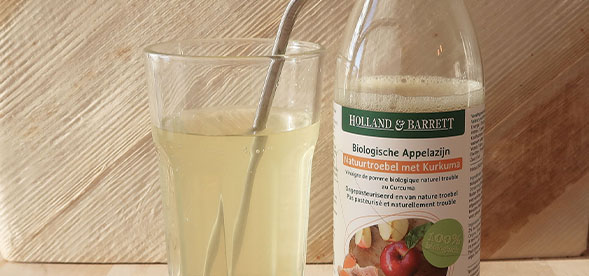
Make sure it is 100% natural apple cider vinegar. You can recognize this because the vinegar is cloudy, then you know you have found a good bottle. I bought one at Holland & Barrett. You can also find them at the pharmacy, organic supermarkets like Marqt, or at the drugstore.

If you’d like to try it too, let me know how it goes for you. Good luck!

Sources:

(1) https://www.ncbi.nlm.nih.gov/pmc/articles/PMC5788933/

(2) https://www.ncbi.nlm.nih.gov/pubmed/9713753

(3) https://care.diabetesjournals.org/content/27/1/281.long

bron: https://www.dokterdokter.nl/gezond-leven/eten-drinken/appelazijn-gezond-of-niet/item68199

This site is registered on Toolset.com as a development site.