My top 3 skincare ingredients

As a skin therapist, I always find it exciting to try out new ingredients, provided they suit my skin type, of course. Fortunately, I have an easy-going skin that doesn’t require too much maintenance. It tends to be a bit dry at times, leaning towards dehydration. That’s why I often look for products that provide hydration and nourishment. In this blog, I’ll share with you three ingredients that I use daily and especially what they can do for your skin.

Niacinamide (Vitamin B3) Suitable for: acne-prone and rosacea-sensitive skin, dry skin.
Niacinamide is a versatile ingredient that can be combined with other active ingredients. It can contribute positively to many different skin issues. As we age, the number of antioxidants in the skin decreases. Niacinamide is an antioxidant, and we need it to keep the skin resilient and strong against harmful external influences. It’s beneficial to replenish these antioxidants to help the skin resist aging signs.
Niacinamide helps strengthen the (disrupted) skin barrier and retain moisture. A damaged skin barrier struggles to retain moisture, which can trigger irritation such as redness and pimples. By strengthening the skin barrier, redness and irritation can be reduced.
Additionally, niacinamide has a mild exfoliating effect, which helps combat dull skin and fine lines. Finally, niacinamide is also effective against acne due to its anti-inflammatory properties. I prefer a serum containing niacinamide because it typically has a higher concentration.

Hyaluronic Acid (HA) Suitable for: dehydrated skin
Hyaluronic acid is a naturally occurring substance in the body, with more than half of it found in the skin. Its primary function is to retain moisture in the skin, allowing it to function optimally and keeping it “wrinkle-free,” so to speak. The action of hyaluronic acid can be compared to water being poured over cracked earth. You’ll notice the cracks disappear. Similarly, when the skin retains more moisture, it appears plumper and smoother.
There are serums containing hyaluronic acid that can significantly help your skin. However, if your skin is significantly dehydrated, the best way to give it a boost is through mesotherapy. This treatment, also known as a ‘skin booster treatment,’ involves injecting hyaluronic acid into the deeper layers of the skin using tiny needles. This process hydrates and strengthens your skin from within, reducing the visibility of fine lines.

Vitamin C (ascorbic acid) Suitable for: all skin types, dull skin.
You might think it’s easy to squeeze extra oranges in the morning, hoping your skin will absorb some of it. However, unfortunately, only 1% of this reaches the skin, so we need to apply these vitamins from the outside to nourish the skin.

Vitamin C naturally occurs in our skin. Due to sun exposure, vitamin C breaks down, making the skin less resilient. Products containing vitamin C are therefore popular because they provide the skin with many benefits. The antioxidant properties of vitamin C protect your skin against harmful external influences such as UV radiation and pollution. At higher concentrations, vitamin C also has brightening effects on superficial pigmentation by stimulating collagen production. So, it’s also a good ingredient for evening out the skin tone.


There, those were the ones. If you have any questions about the products I use and enjoy using, feel free to send me a message. Perhaps I can help you further 😉

Love, Fabienne

Een lesje van Tolle, met een vleugje van Fabbie

We krijgen allemaal te maken met ups en downs in ons leven, zo gaan die dingen. En ja, ook ik heb even een down periode gehad. Kan gebeuren ;). En de downs ervaar ik zelf natuurlijk als zeer onprettig, maar ik stel mezelf tegelijk ook de vraag: welke les ga ik uit deze gebeurtenis/situatie halen? Tot welke nieuwe inzichten kom ik? En wat kan ik doen om hier juist sterker uit te komen? Persoonlijke groei en ontwikkeling vind ik zelf erg belangrijk en dat stopt nooit. Soms heb je dan even een klein duwtje nodig om tot nieuwe inzichten te komen. Zo kreeg ik dus als tip om ”De kracht van het Nu” van Eckhart Tolle te gaan lezen. Een onwijs populair boek waar ik meerdere mensen al lovend over heb horen praten. Op de een of andere manier heb ik dit boek lang afgezworen door de slogan: ”Gids voor een bewust en gelukkig leven”, pff zo zwaar… Anyway, I gave it a shot. Ik vertel je graag wat ik ervan opgestoken heb. So here we go.

Eerst even een korte samenvatting van het boek voordat we verder gaan:

De kracht van het Nu’ is hét spirituele boek van het afgelopen decennium. Het beschrijft een boodschap die wereldwijd al miljoenen mensen bewuster heeft gemaakt. Want, we zijn ons denken niet. Eckhart Tolle nodigt je uit om jezelf van je verstand te bevrijden. Om je ware zelf en je identificatie met je onechte zelf, je ego, te laten varen. Zo verlos je jezelf van psychische pijn. Iedereen die zich overgeeft aan het Nu zal hierin slagen! Het leven is een aaneenschakeling van momenten in het Nu. Alles gebeurt in het Nu en alles vinden we in het Nu. Als we ons hiervan bewust worden, vinden we schoonheid, liefde, geluk, creativiteit, innerlijke vrede en bovenal ons ware zelf.

Mijn visie:
Ik vind dat er zeker wel een kern van waarheid zit achter deze filosofie. Men mag these day’s inderdaad wel iets meer bewust worden van het ”Hier en Nu principe”. Maar ook meer stilstaan bij de mooie dingen van het leven en de kleine dingen leren waarderen.
Ik denk alleen dat als je je gevoel constant forceert door in het ”Hier en Nu” te willen leven, er minder ruimte overblijft voor zelfreflectie. Ik denk zelf dat daarin je persoonlijke ontwikkeling en groei ligt. We krijgen allemaal te maken ups en downs in het leven en ik denk namelijk vooral wél na over deze gebeurtenissen. Haal de lessen hieruit maar blijf er niet te lang in hangen. Het gevaar is dat je je een slachtoffer kan voelen van gebeurtenissen die ons zijn overkomen en zolang je in die zogenaamde spiraal blijft kom je niet vooruit.

So here’s the thing…
Don’t overthink situations, want daar gaat het mis. Gedachtes kunnen je helemaal gek maken. Belangrijk is om onderscheid te maken tussen je rationele denkwijze en je angstengedachtes. Het geeft mij rust om te blijven nadenken over datgene wat berust op feiten of op wetenschappelijke grond. De ”wat als” en ”stel je voor” of de ”misschien”… Men o men, dit kan je echt gek maken en deze gedachtes zijn uiteindelijk zinloos. Wees vooral eerlijk naar jezelf als het aankomt op keuzes maken. Luister dan naar je onderbuik/intuïtie/gevoel. Lijkt een relatie niet te werken, een vriendschap, een bepaalde samenwerking? Dan is het misschien beter om er mee te kappen. En dat is natuurlijk makkelijk gezegd, want je eigen waarheid erkennen is een van de moeilijkste dingen die er kan zijn. Maar ik kan je vertellen dat het gevoel van opluchting beter is dan die eindeloze negatieve spiraal, als je begrijpt wat ik bedoel.

Tot slot…
Als je nou echt een rot dag of periode heb, ga er dan niet tegen vechten, want dat kost echt veel energie om te doen alsof alles oké met je gaat. Heel vermoeiend. Als het kut gaat, gaat het gewoon even kut. Better days will come. Herpak jezelf en omring jezelf dan met fijne mensen, leuke film/serie, goed boek, muziek, whatever works for you. Maar forceer je mood niet. Laat het er gewoon even zijn maar zoals ik eerder schreef, blijf er niet te lang in hangen.

Oke dat was hem weer. Op of aanmerkingen zijn meer dan welkom! Welterusten voor vanavond, fijne dag. Lots of love and kisses. 

Fab s.

P.s: what doesn’t kill you makes you stronger, keep that in mind kids 😉

Bron: De kracht van het nu (Eckhart Tolle). Geraadpleegd op 02-03-2021 van: https://www.bol.com/nl/p/de-kracht-van-het-nu/9200000014954399/?bltgh=uRS9-AAynP5-mvIeqoNJ1g.4_12.13.ProductTitle

This is why a standard skincare routine doesn’t work.

You want to rebalance or improve the condition of your skin. So, you start your quest for the right products, using your skin type as a starting point. Products are often selected based on whether you have oily or dry skin. Perhaps you can relate to this. While that’s perfectly fine, to truly see improvement in your skin condition, you should look beyond just your skin type. Let me explain how and why.

When pimples occur, it’s often assumed that one has oily skin. Excessive sebum production, along with the presence of the “P. acnes bacterium,” indeed causes pimples. However, this is not the sole cause of pimple formation or inflammatory reactions.

There are various factors that disrupt the balance of our skin and can lead to an inflammatory response. Some factors that can cause this include:
  • Incorrect product/ingredient usage;
  • Using water that is too hot during cleansing (often, people also cleanse their skin in the shower, which may be a few degrees too warm);
  • Using harsh tools such as a cleansing brush;
  • lack of sleep;
  • high amount of stress; 
  • Excessive sun exposure.

These are often the most common factors that I see within my practice that lead to skin problems. Often, the skin barrier is out of balance or damaged, and your goal is to restore it. When your skin barrier is out of balance, the following problems may occur: redness, pimples, extremely dry skin, dehydrated skin, or hyperpigmentation. It’s important to consider all of the above factors if you want to improve your skin condition, but let’s focus on the right skincare for now. Understand that it’s not necessarily the case that if you have pimples, products designed for oily skin will help you. Let alone a standard skincare routine. Finding the right products is personalized. It’s different for everyone because every skin is different. But how do you know exactly which products you need?

Hoe?

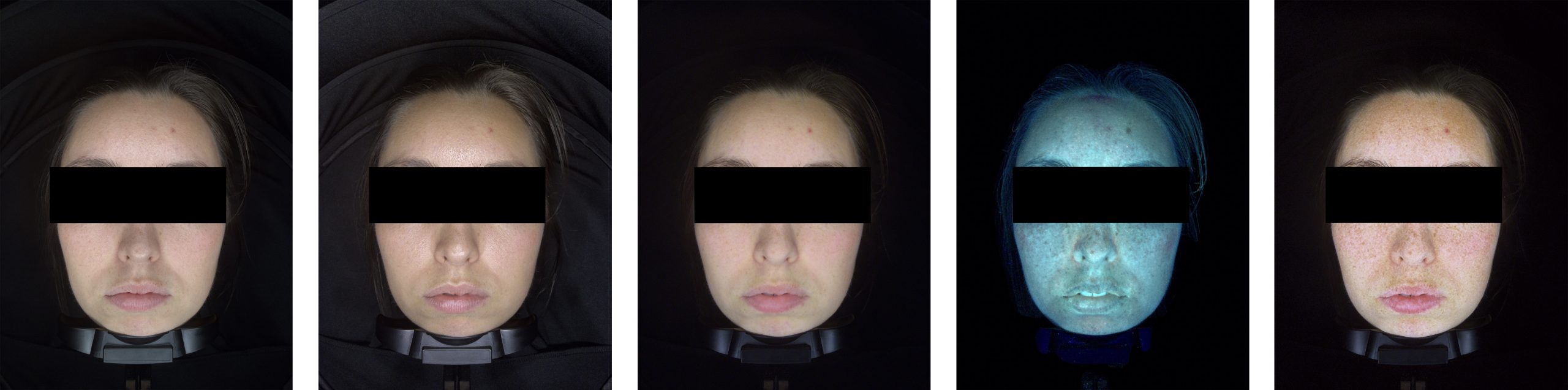
In many skin therapy practices, it’s possible to undergo a so-called “skin analysis.” Using devices like the Observ 520, multiple photos of various skin layers are taken. The following skin characteristics are captured:

  • Redness, circulatory problems, couperose
  • Inflammation
  • Sebum production
  • Dehydrated skin
  • Superficial and deep pigmentation damage

Just to give an example: what I often see in practice is that many people have dehydrated skin and a lack of antioxidants. As a result, the skin becomes less resilient. These characteristics can be identified in the photos, and based on this, a personalized plan can be developed to improve your skin condition. It’s essential to seek advice from a specialist or a skin therapist to determine which products are suitable for your skin to improve its condition. Many practices offer skin analysis sessions without obligation. So, it’s always worth trying 😉

Voorbeeldfoto’s huidanalyse met de Observ 520

Any questions left? Please ask down below.

Love, Fabienne

HOW DO WE KEEP OUR SKIN BARRIER HEALTHY?

Our outer skin layer (the epidermis) forms the skin barrier and plays a vital role. As the name ‘barrier’ suggests, this natural skin layer protects our skin from harmful external influences. To give you a clear picture, you can compare the skin barrier to the building blocks of a house. The building blocks protect the house from external influences such as wind, cold, heat, and rain. Essentially, the skin barrier does the same and shields us from external factors such as:

  • UV rays from the sun
  • Light from our phones/tablets, etc. (blue light)
  • Environmental pollution
  • Aggressive or incorrect skincare products
  • Taking showers that are too hot

But also stress, diet, and lack of sleep can disrupt the skin barrier in the long term (internal factors). When the skin barrier is compromised, these external factors can more easily penetrate the skin and cause damage. Additionally, the skin is not able to retain moisture effectively, leading to dehydration.


The characteristics of a disrupted skin barrier include:

  • red skin
  • (quickly) irritated skin
  • comedones
  • pimpels
  • hyperpigmentation (pigmentspots)
  • fine lines
  • wrinkels
  • dull skin
  • dehydrated skin
  • itchy skin

Often, people have a combination of one or more of the factors mentioned above. But fortunately, the skin barrier can also be restored.

How do we keep the skin barrier healthy?
Start by reversing the factors mentioned above, for example, avoiding hot showers and protecting your skin from the sun using the right sunscreen. Also, it’s good to scrutinize the products you use daily. It’s possible that the products you’re using are too aggressive or not suitable for your skin type. It’s also not advisable to use cleansing brushes as they can be too harsh. If you wear a lot of makeup, it’s better to cleanse your skin twice with a cleanser.

When your skin barrier is disrupted, your skin may also be dehydrated, as mentioned earlier. In that case, it’s good to add a serum with hyaluronic acid to your daily routine. Hyaluronic acid helps retain moisture in the skin, thereby firming and soothing it.

Redness can also be caused by a disrupted skin barrier, but genetic predisposition often plays a role as well. How it develops varies from person to person. For some, it’s genetic, for others, it’s due to incorrect product use. The skin is often red when there are inflammations present, such as pimples. It’s important to soothe the skin well with the right products in such cases.

Hyperpigmentation in the form of age spots or post-inflammatory hyperpigmentation (PIH) – pigment spots after inflammation, is also caused by a disrupted skin barrier. The sun essentially has “free access” to cause pigmentation damage in the skin when it’s not properly protected and isn’t capable of protecting itself. This also happens when you don’t protect yourself daily with an SPF against the sun.

Wanna check your skincondition? Go to a practice for a consultation and see what your therapist can do for you. Goodluck!

Love, Fabienne

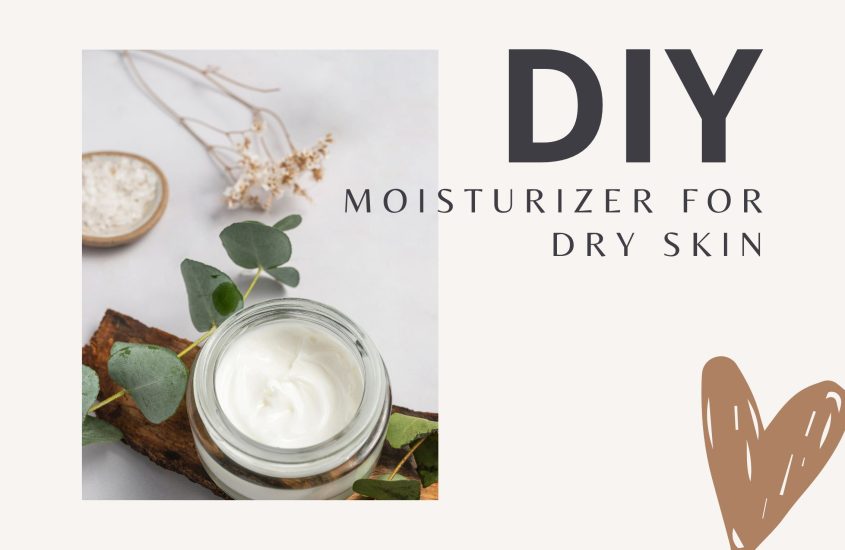
DIY: moisturizer for dry skin

I love making my own moisturizer, and I mainly use them to moisturize my body. By selecting the ingredients yourself, you can tailor the moisturizer to meet your skin’s specific needs, which I find to be the best part. There are several different methods for making your own moisturizer. In this blog, I’ll show you a very simple method for making a basic moisturizer with just four ingredients. At the bottom of this blog, you’ll find an instructional video, but be sure to read through this blog first before you start!

Kies ingrediënten die bij jouw huidtype passen:

 Dry SkinOily SkinSensitive Skin
Oil Type (organic)Avocado oil
Coconut Oil
Olive Oil
Argan Oil
Almond Oil
Line Seed Oil
Almond Oil
Hazelnut Oil*
Wild Rose Oil
Jojoba Oil
EmulsifierLamecrèmeLamecrèmeLamecrème
Thickners/ButtersCacao Butter
Shea Butter
Cacao Butter
Mango Butter
Shea Butter
Water SortDistilled Water
Rose Water
Distilled Water
Rose Water
Distilled Water
Rose Water
There are many more ingredients you can add to your moisturizer, but based on this schedule, I’ll give you an idea of where to start your search. *be careful with allergies!

Supplies for 100 ml /  3.3 fl. oz. Moisturizer: 

  • Small beaker glass (100 ml)
  • Large beaker glass (1Litre)
  • 2 small glasses or saucers
  • Thermometer
  • Stirrers
  • Digital scale
  • Alcohol 96%
  • 1 cotton pad

  • 225 grams organic oil by choice
  • 8 grams lamecreme
  • 4 grams butter such as mango or shea butter
  • 63 grams of distilled water

Step 1
Wash your hands and clean the materials. Apply some alcohol to the cotton pad and wipe the inside of the beaker glasses, the scale, and the thermometer.

Step 2
Weigh each ingredient separately. Weigh 63 grams of water in a small beaker glass. This is the water phase. In a large beaker glass, weigh 25 grams of oil. Weigh 8 grams of moisturizer base on a separate saucer or in a glass, and 4 grams of butter. Add the moisturizer base and butter to the oil. This is now the oil phase.

Step 3
Heat the beaker glass with the water phase and the oil phase in a double boiler. Remove them from the heat source when the oil is clear (meaning the butter and moisturizer base are dissolved). Neither phase should exceed 70 degrees. 

Step 4
Gradually add the water to the oil while stirring continuously. Do not do this the other way around! Stir for at least 10 minutes until a homogeneous mixture is formed. After a few minutes, the mixture will start to look flaky. At this point, the oil and water will begin to bind. Continue stirring vigorously.

Step 5
Let the mixture cool to 40 degrees. Optionally, add fragrance and/or preservatives. When the mixture is completely cooled, you can store it in a jar or dispenser. I always prefer a dispenser because it keeps the moisturizer fresh for longer without exposure to bacteria, light, or air.

Cold Pressing
There are different methods for obtaining vegetable oils. One of those methods is cold pressing, where the oil is obtained from the material without a heating process. During this process, the valuable substances of the plant remain intact. So, when purchasing your ingredients, keep this in mind.

Allergens
Optionally, you can add fragrance and preservatives to the moisturizer. But if you are prone to irritation, I advise against it. Moreover, the moisturizer smells nice even without adding these ingredients. 

And then the most important thing…

  • Do not use homemade moisturizer as sunscreen; instead, use safe sunscreen that you can buy in stores. 
  • Do not use homemade moisturizer to treat skin problems such as acne, rosacea, pigmentation, melasma, skin irritation, psoriasis, or any other skin problem. Always consult a skin therapist or dermatologist for advice. 

  • Making your own moisturizer is mainly a fun activity. The ingredients I use in the video are very mild. If you’re still unsure, test a small amount on a small patch of skin before using the moisturizer entirely. 

Good luck with making your own moisturizer! Will you let me know if it works or if you have any questions? 

Love, Fabienne

Source: Lexicon van Cosmetische Grondstoffen, (2013)

https://www.youtube.com/watch?v=YeCrMOcHl1o

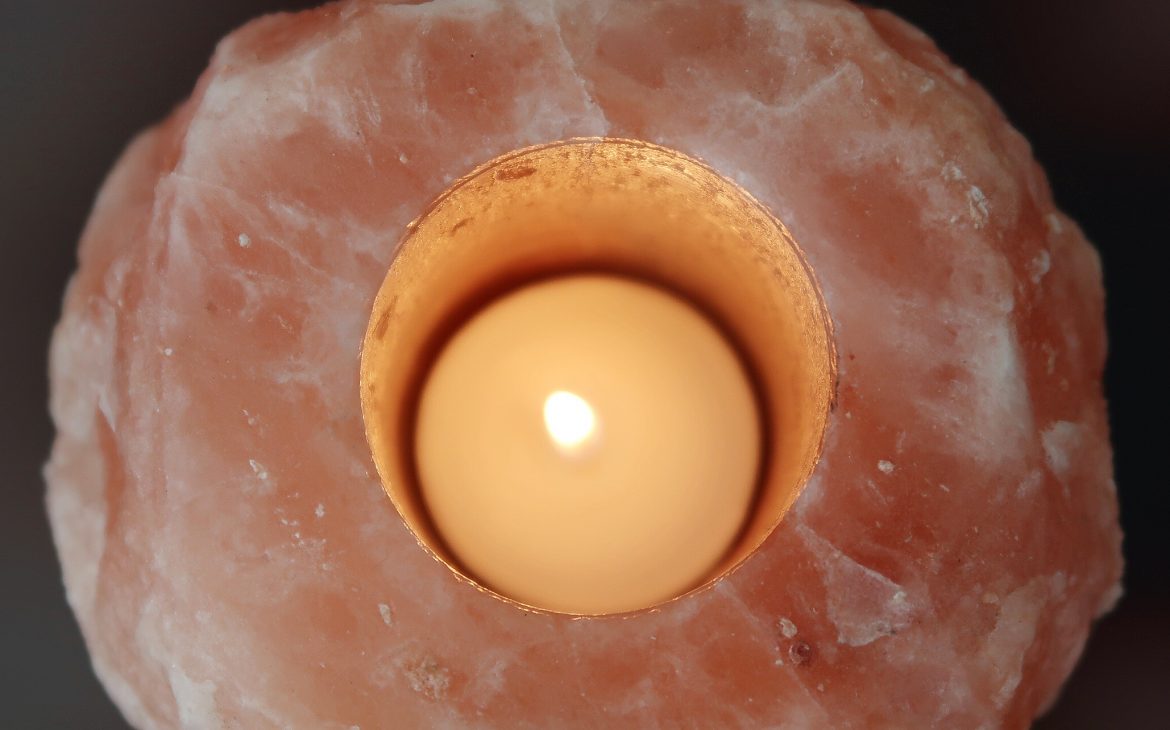
DO HIMALAYAN SALT LAMPS HAVE PURIFYING EFFECTS?


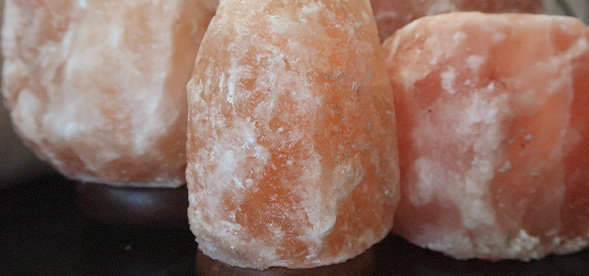
“A Himalayan salt lamp is a lamp made from a large piece of Himalayan salt, sourced from the Himalayan mountains. A hole is drilled into a salt chunk so that a lamp or tealight can be placed inside. These atmospheric lights are available in various shapes and sizes. The reason I have four Himalayan salt lamps in my house is mainly for the cosy natural atmosphere they create. However, the lamps are also said to have a ‘purifying’ effect. I’ve researched exactly how this works. Are you joining me?”

Ionization
An ionizer is a device that ionizes molecules. Ionization is the process in which an atom or molecule loses or gains an electron from its uncharged state. Ionizers produce a stream of charged particles (ion flow) in the air that cause dust particles in the environment to settle. In theory, this has a beneficial effect on air quality and may therefore affect health issues related to air quality, particularly asthma (De Meer, Duijm & Hall, 2010). Himalayan salt lamps are said to produce and subsequently release negatively charged ions into the air by heating the salt (through the lamp or candle). Research has shown that the amount of these ions is so low that it cannot be considered to have a similar positive effect (Ferreira, 2016).

Humidity
The air in your home contains moisture, known as humidity. Salt attracts water, so the salt lamp in your home draws in some of the humidity. Bacteria, allergens, and moulds present in the air are also drawn and attracted to the salt lamp, thereby “purifying” the air in your home. Salt doesn’t attract moisture, but the salt lamp consists of a molecular compound of NaCl (Sodium Chloride). The moisture in the air that comes into direct contact with it undergoes a chemical reaction. The H2O in the air that comes into contact with the salt lamp/NaCl undergoes a reaction. So, this would mean that only the moisture and bacteria floating around the salt lamp are attracted to it and purify that particular area of air.

So, if you want to completely “purify” the air in your home, you would need to stack quite a few salt lamps both horizontally and vertically so that the moisture in contact with the lamp can be attracted.

Just kidding! But if you do want to effectively purify the air in your home, you might consider investing in an air-purifying fan from Dyson, for example. Nonetheless, salt lamps remain very atmospheric, and that’s why I have them in my home. If you’re interested in getting a salt lamp yourself, I’ve listed some places below where you can buy them. However, it’s more fun to go to a store and choose one that you really like. Salt stones come in various types and sizes, and they are also reasonably affordable. The most popular variants are the tea light holders and the lamps.

Tip for the Rotterdam resident (or if you’re in Rotterdam): Pay a visit to Mystiek in Rotterdam at Schiedamse Vest 79 (Witte de Withkwartier). It’s a delightful store where you can find everything related to spirituality and health.

Sources:

de Meer, G., Duijm, F., Hall E. F. (2010) Ionisatoren en gezondheid. Geraadpleegd op 14 mei 2020 van: https://www.rivm.nl/bibliotheek/rapporten/609330004.pdf

Ferreira, M. (2016) Do Himalayan Salt Lamps Really Work? Geraadpleegd op 14 mei 2020 van: https://www.healthline.com/health/himalayan-salt-lamps

Skinknowledge is Skinpower

Huidverzorging is een veel besproken onderwerp op het internet. Volgens sommige huidexperts is een social media platform zoals Instagram een ‘’game changer’’ voor huidverzorgings merken en voor de beauty industrie. Op Instagram zijn er op dit moment maar liefst 34 miljoen #skincare posts te vinden. ‘’Iedereen met een fanbase kan claimen om een ‘’expert’’ te zijn en het is heel moeilijk om te bepalen wie je nou moet geloven en vertrouwen’’, aldus Dr. Harold Lancer (Elle UK, maart 2019). Er zijn heel veel influencers die een grote fanbase hebben en zichzelf ‘’huidexperts’’ noemen. Het resultaat hiervan is dat deze adviezen eerder worden opgevolgd dan die van een échte experts of getrainde professionals. En natuurlijk zijn er sommige influencers betrouwbaar, maar onthoud dat iedereen zichzelf een ‘’huidexpert’’ kan noemen terwijl een schoonheidsspecialist, huidtherapeut of dermatoloog erin getraind is om een huidproblemen (die elk op hun eigen gebied van toepassing zijn) te herkennen en ze te behandelen. Ik zeg totaal niet dat je per definitie geen huidadvies mag aannemen van een ‘’huidexpert’’ die geen diploma’s daarvoor heeft, maar denk wel even drie keer na wanneer er #spon, #ad, #partnerinvolved onderaan de pagina vermeld staat.

Knowledge is Power
Kijk, ik geef toe. Ik hou van huidverzorging en wanneer er een nieuw potje of maskertje op de markt verschijnt ben ik er ook als de kippen bij (puur uit nieuwsgierigheid, niet persé om het te kopen en te gebruiken). Maar omdat ik bijna afgestudeerd ben en daarnaast in mijn vrije tijd ook regelmatig in de boeken zit en onderzoek doe, weet ik welke trends/ingrediënten/merken/producten ik moet ontlopen en welke wellicht interessant kunnen zijn. Kortom, ik ben redelijk goed bewust over welke ingrediënten werkzaam zijn en welke niet, welke ingrediënten funest kunnen zijn voor je huid en welke DIY-tools ik ook beter links kan laten liggen (en welke niet). Maar ik denk dat lang niet iedereen een loze claim kan herkennen en onderbouwen, wat natuurlijk heel logisch is. Wat ik eigenlijk probeer te zeggen:

Als je huid je lief is en je wilt dat deze verbeterd, verdiep jezelf in de betrouwbaarheid van claims. Leer je huid kennen. Leer het product aanbod kennen. Leer werkzame ingrediënten kennen en wees eventueel wat kritischer. Knowledge is Power.

Mooi voorbeeld: de ‘’natuurlijke cosmetica trend’’.
Ik zie steeds meer influencers op Instagram posten over hoe goed natuurlijke cosmetica wel niet voor je is. Misschien dat het gebruik van deze producten voor hun en enkele volgers van deze influencers geen kwaad kan, maar ik geloof niet dat het voor iedereen weggelegd is. Het is nooit bewezen dat natuurlijke cosmetica beter is, maar dit wordt wel geclaimd door mensen die zich hier (blijkbaar) niet in verdiept hebben. Vaak zit er dan een bepaalde filosofie achter over ‘’groen bewust leven’’, maar dat is weer een heel ander onderwerp. Daarnaast ben ik ook van mening dat er geen universeel antwoord is op de vraag: welk product werkt voor mij het beste? Dit hangt van zoveel factoren af: genen, dieet, milieu, leeftijd en hormonen hebben invloed op de conditie van onze huid. Een goed product kan je huid goed verzorgen, maar niet alléén een huidproduct.

Het advies wat ik je bij deze wil meegeven: doe zelf onderzoek. En neem dan adviezen aan die ‘’evidence based’’ zijn. Dat wil zeggen advies dat gebaseerd is uit wetenschappelijk onderzoek, dus waarvan is aangetoond dat een bepaalde handeling of ingrediënt werkt of niet. Wellicht dat je zelf een keer de vraag kan beantwoorden welk product voor jou het beste zal werken.

Back to School (nee, niet letterlijk)

Tip #1:
Heb je een huidprobleem? Vraag bij je huisarts om een doorverwijzing naar de dermatoloog. Zoals ik al eerder aangaf, men heeft hiervoor gestudeerd en kan werkende zalven of medicatie voorschrijven en advies geven.

Tip #2:
Koop een boek over huidverzorging zoals ‘’De Huid’’  van dermatoloog Yael Adler. Super leerzaam en toegankelijk boek met feiten, hedendaagse inzichten en handige adviezen over huid en haar.

Tip #3:
Wil je weten of een ‘’over the counter’’ product degelijk is? Paula Begoun heeft een boek geschreven met reviews van een enorm aantal producten welke je gewoon bij de parfumerie kan vinden(zowel huidverzorging als make-up). Iedere pagina bevat betrouwbare en gedetailleerde informatie over huidverzorging, rimpels of acne. Ook staat er een lijst in met hele degelijke betaalbare producten, tips hoe je ingrediënten kan vermijden die niet goed zijn voor je huid (ook natuurlijke ingrediënten) en nog veel meer.

Succes!

Liefs, Fabienne

Bron: ELLE UK, maart 2019

Doelen maken én ze ook bereiken

Heb jij een droom of een bepaalde doel en blijf je daar maar mee in je hoofd rondlopen omdat je eigenlijk niet echt weet hoe je hiervoor actie moet ondernemen? Ik geef je in dit blog drie tips hoe je je doelen wél kan bereiken. 

Iets wat vaak gebeurd is dat mensen denken: ‘’Ik weet zelf hoe ik mijn doelen kan bereiken en ik heb hierbij geen hulp nodig, ik koop gewoon een boek en kijk een sh*t load aan video’s en dan kom ik er vanzelf wel.’’
Slecht idee.
Waarom? Omdat een boek of video’s jou geen feedback geven op je persoonlijke plan die je aan het ontwikkelen bent. Het gevolg hiervan is dat je waarschijnlijk geen resultaten zult boeken en je doelen niet zal bereiken. Verspilde energie en tijd. Iets wat een boek of een video jou niet leert is feedback geven op de details en je tussendoor niet de goede richting op stuurt richting je einddoel. Boeken en video’s kunnen goede middelen zijn op je in de startblokken te zetten en je te laten nadenken welke doelen je precies wilt bereiken. Het kan je een bepaald idee en een bepaalde richting te geven. Je stelt hiermee een plan, maar hoe ga je vanuit daar nou verder?

  1. Mindmap maken
    Oke, je hebt een bepaalde doel bijvoorbeeld: afvallen, een bedrijf opzetten, jezelf ergens in ontwikkelen, een bepaalde sport leren uitoefenen, ga zo maar door. Dit kan écht heel verschillend zijn. Het eerste wat je doet is een mindmap maken. Het doel van een mindmap is informatie vanuit je brein op papier te noteren en deze samen te vatten. Hierdoor wordt je doel meer tastbaar. Het maken van een mindmap is je startpunt, begin hiermee.

    Hoe doe je dat?
    Pak een leeg A4tje en een pen. Begin met een centraal doel in het midden. Maak vervolgens verschillende takken en schrijf hier je doel(en) op. Schrijf hier ook eventueel kort bij waarom je dit wilt en hoe je dit wilt doen. Iedere tak/doel kan je steeds kleiner gedetailleerder maken. 

Denk hierbij ook aan de dingen die je niet wilt. 
Als je meer informatie wilt over de bewezen kracht van het maken van een mindmap klik dan hier.

2. Moodboard maken

Een moodboard is een visueel board van een je zojuist bedacht doel of doelen. Het is een hulpmiddel waardoor je je doelen tastbaar maakt en die jou steeds helpt motiveren om dit doel te bereiken. Dit doe je met behulp van teksten en vooral van veel afbeeldingen die passen bij je doelen.

Hoe doe je dit?
De doelen die je zojuist hebt gesteld, daar ga je op 1 grote plaat een beeld van maken. Doe dit het liefst op een A3 formaat omdat je dan meer ruimte heb. Zoek wat (oude) tijdschriften op en ga knip plaatjes uit die bij jouw doelen passen of symboliseren. Ik zet zelf mijn moodboards in mijn slaapkamer, want iedere ochtend als ik wakker word kijk ik ernaar en wordt ik herinnerd aan mijn doelen. Voor mij werkt dit goed want het geeft me weer een motivatie boost voor de dag.

3. Zoek begeleiding
Dan ben je op het punt beland dat je bepaalde doelen en een bepaalde richting voor jezelf hebt gesteld. Het wordt tijd voor actie. Een begeleider of coach kan jou helpen bij twee belangrijke aspecten en dat zijn;

  • de details
  • feedback geven

Je hebt je plan gemaakt en je doel gesteld. Je gaat aan de slag maar om exact het juiste pad te bewandelen om naar jouw doelen te gaan heb je iemand nodig die hier ervaring in heeft en jouw de juiste richting kan geven. 

Dit gebeurd er waarschijnlijk als je geen begeleiding /coach zoekt
Je hebt je plan gemaakt en gaat aan de slag op de manier waarop jij denkt dat het moet, je hebt het plan immers zelf gemaakt, je kent jezelf dus het komt wel goed. Je trekt je wandelschoenen aan, rugzak om, pakt je lantaarn en gaat op pad. Je loopt en loopt, neemt verschillende paden, komt erg dichtbij je doel maar uiteindelijk niet helemaal. Je past je plan niet aan want je gelooft er nog steeds in maar je heb nog steeds geen resultaat geboekt. Langzaam raak je verdwaald. Het vervolg hiervan is dat je gefrustreerd raakt. Frustratie geeft je twijfels waardoor je gaat nog harder werken en wederom zonder enig resultaat Onderweg wordt het moeilijk om nog in jezelf te blijven geloven. Je raakt verder van je doelen af en wat er dan gebeurd is dat je soms zelfs doordat je zover bent afgedwaald terecht bent gekomen in de mist. Je doelen zijn niet meer helder en je vergeet waarvoor je zoveel kilometers hebt gemaakt. Langzaam begint je motivatie weg te zakken en ben je minder actief, je energie raakt op. Je verzwakt. In je rugzak had je nog een zak chips, je gaat zitten en onderweg vragen mensen of je inmiddels al bij je gouden schatkist bent aangekomen. Je zegt dat je van de week weer verder gaat, past je plan een beetje aan maar weet eigenlijk niet meer waarvoor je het doet. En tegelijk denk je ik zit hier eigenlijk wel prima met mn zak chips. En zo ga je nog een paar weken of maanden door en aan het einde was je doel, gewoon een idee.

En een coach of begeleiding zoeken is overigens vaak dichterbij dan je denkt. Je hebt vast wel iemand in je netwerk die ergens gespecialiseerd in is en jou tips of feedback wilt geven, daar kan je mee beginnen. Wees creatief hierin en denk ik mogelijkheden. Maar ben je echt grote dingen van plan, zoek dan de professionals op. belangrijk is, wanneer je écht een begeleiding zoekt, je van te voren een duidelijk doel hebt, en gerichte vragen. Schrijf voor jezelf ook een motivatie uit waarom je eigenlijk een bepaald doel wilt bereiken. Reflecteer op jezelf waarom dit doel zo belangrijk voor je is. Denk hier goed over na.

Hopelijk heb ik je aan het denken gezet en begin je straks al met het maken van een mindmap en/of moodboard. Deze eerste twee stappen zijn super simpel om uit te voeren. Zet je dromen in in doelen en ga ervoor!

Succes!

Liefs Fabienne

What is the secret of Manuka honey and its healing properties?

Manuka Honey is made by bees from the Manuka bush in New Zealand and Australia. It is one of the most unique types of honey because it is considered to be very potent compared to other varieties. Prices for a jar of Manuka honey range from 20 to 70 euros. I will explain the reasons for this price difference later in this article.

The effectiveness of Manuka Honey
Several decades ago, researchers from various groups examined the honey. They concluded that Manuka honey possesses strong antibacterial properties, higher than in other types of honey. Manuka honey can be used to treat various ailments such as insomnia, gastrointestinal issues (SIBO), acne, eczema, (burn) wounds, insomnia, and gum inflammation.

Here’s what you need to know before purchasing a jar:
The antibacterial activity in the honey is called the Unique Manuka Factor (UMF). The higher the active UMF value, the stronger the healing effect. For example, a label indicating 15+ has the same antiseptic effect as a solution containing 15% Phenol, a disinfectant. The level of UMF contained in the honey can vary by region, season, and also depends on the period of flowering and harvesting.

UMF is registered as a global trademark to guarantee the quality of the honey. To use the UMF designation, the active value must be 10 or higher.

The antibacterial activity of Manuka honey has also been found to be related to Methylglyoxal (MGO). This is the compound that contains the antibacterial properties. In regular honey, this compound is found in proportions of 20-50 mg/kg. In Manuka honey, however, this compound is found in such high concentrations (up to 800 mg/kg) that the antibacterial activity can truly be considered unique. This is the reason why Manuka honey and derived products are much more expensive than “ordinary” honey (5).

Comparison Overview of UMF and MGO:
UMF 10+ MGO 100
UMF 15+ MGO 250
UMF 20+ MGO 400
UMF 25+ MGO 550

Price Difference
There are (active) Manuka honey brands that do not have a UMF® license. The antibacterial efficacy of these honey brands without this license cannot be guaranteed. This explains the price difference. A UMF value below 10 is not stable in its efficacy and therefore cannot be called medicinal Manuka honey.

Therefore, always look for the license number when purchasing Manuka honey. This is indicated on the jar’s sticker. Moreover, regulations in New Zealand also stipulate that Manuka honey must be packaged, sealed, and labelled in New Zealand (5).

Does Manuka honey really work for acne?
Let’s return to what Manuka honey can do for your skin. The internet is slowly filling up with claims that Manuka honey is the miracle cure for acne and eczema patients. At the moment, there have not been enough clinical studies to support these claims. However, given its proven antimicrobial and healing properties, it is believed that honey may help with these skin conditions (3).

You could always give it a try, as I did. Trying can’t hurt (unless you have a bee or pollen allergy). I don’t personally suffer from acne, but you can still use Manuka honey as a facial mask. My skin became very soft and hydrated as a result. If you want to try honey to get rid of your pimples, apply it to the affected areas for 15-20 minutes, then rinse it off with water. Repeat this daily or every other day for the best results.

Below is a list of some honey jars that have UMF license:

  • Manuka Health Manuka Honing Mgo 550+ (250g)
  • MANUKA HONING (MGO ≥ 514 =) UMF® 15+ 250gr / MANUKORA
  • Manuka Honing umf 10+ 250 gram

Let me know your thoughts! Good luck!

With love,, Fabienne

Mindset: doen wat goed voelt

Een tijdje terug was ik een podcast aan het luisteren van Michael Pilarczyk. Hij bespreekt interessante onderwerpen om je eigen mind ”te leren masteren”. Aan het einde van een podcat waarin het ging over je eigen hart volgen. Super interessnt. Aan het einde van de Podcast gaf hij nog een mooi inzicht in de vok van dit onderstaande verhaal.

Op een dag gingen vader en zoon met een ezel op pad. Vader wilde lopen en zette zijn zoon op de rug van de ezel. Zo gingen zij op weg tot zij mensen tegenkwamen die zeiden: ‘Zie daar de wereld op zijn kop. Die gezonde jongen zit rustig op de ezel, terwijl zijn arme, vermoeide vader nauwelijks vooruit komt.’ De jongen hoorde dit, schaamde zich en stapte af. Hij wilde dat zijn vader verder op de ezel zou rijden.
Zo liepen ze voort. Even later hoorden ze: ‘Moet je dat zien. Wat een ontaarde vader, die zelf lekker op de ezel zit en zijn kind laat lopen.’
Na dit verwijt zei de zoon: ‘Kom, laten we samen op de ezel rijden.’
Zo vervolgden ze  hun weg tot zij mensen tegenkwamen die zeiden: ‘Kijk, dat arme beest. Zijn rug zakt door onder het gewicht van hen beiden, wat een dierenbeulen.’
Daarop zei de jongen: ‘Laten we allebei te voet gaan, dan kan niemand ons nog verwijten maken.’
Zo liepen ze verder achter hun ezel. Tot voorbijgangers commentaar leverden: ‘Zie deze dwazen. Ze lopen in de brandende zon en geen van beiden denkt eraan op de ezel te gaan zitten.’

Vader richtte zicht tot zijn zoon en zei: ‘Tja, mijn zoon, hoe je je ook gedraagt, op- en aanmerkingen zullen er altijd in overvloed zijn. Volg daarom altijd wat je eigen hart je ingeeft.’

Mooi om over na te denken toch?

Liefs, Fabienne

bron: Raamstijn, 2018. Volg je eigen pad: het verhaal van de vader, zoon en de ezel. Geraadpleegd op 30-09-2019 via http://www.raamstijn.nl/eenblogjeom/index.php/cut-the-crap/7770-volg-je-eigen-pad-het-verhaal-van-de-vader-zoon-en-de-ezel

This site is registered on Toolset.com as a development site.