Mijn miskraam verhaal

Mijn interesse in Ayurveda ontstond vanuit mijn werk als huidtherapeut. Ik zag dat veel huidproblemen van binnenuit komen en dat stress het lichaam sterk beïnvloedt. Om dit beter te begrijpen, ben ik me gaan verdiepen in Ayurveda, met als doel mensen te helpen bij huidproblemen.

Juli 2024
Ik werd onverwacht, maar heel gewenst zwanger. Mijn vriend en ik waren helemaal in de gloria en hadden echt zin in dit nieuwe onverwachte avontuur. Langzaam deelden we het nieuws met vrienden en familieen ik voelde totaal geen angsten of onzekerheiden. Voelde me ook nog eens kiplekker (geen vermoeidheid, misselijkheid etc). Ik had mijn yogaopleiding al een tijd daarvoor geboekt in het buitenland en kon dit gelukkig ook als zwangere vrouw voortzetten.

summer 2024

Augustus 2024
Maar toen kreeg ik zelf te maken met een grote mentale uitdaging. De eerste echo (in week negen) liet zien dat het groeien van de baby al bij vijf-zes weken gestopt was. Na tien weken kreeg ik helaas een miskraam. Dit bracht een zware fysieke en mentale periode met zich mee. Ik zal je in dit verhaal meenemen, naar het afgelopen jaar.

De miskraam was (op de natuurlijke manier, zonder medicatie) achter de rug en ik bleef heel erg moe. Zoals gebruikelijk, werd er na de miskraam wéér een echo gemaakt om te controleren of mijn baarmoeder leeg was. De arts liet mij weten dat dit het geval was (en gelukkig was dit zo, anders zou je bijvoorbeeld curratage moeten krijgen) en vervolgens kreeg ik eigenlijk te horen dat ik weer ‘door kon’—meer uitleg of begeleiding kreeg ik niet. Het voelde alsof ik in een ziekenhuis werd weggestuurd zonder echte informatie of tools om mijn lichaam en geest te helpen herstellen.

Ik voelde dat ik mijn herstel op een andere manier wilde aanpakken, vanuit een ayurvedisch, holistisch en natuurlijk perspectief. Ik was het namelijk zo zat, dat geklungel met mezelf. Mijn partner en ik hebben een vrij actief leven. We gaan er veel op uit, hebben veel lol samen en doen leuke dingen en ik wilde dit weer terug. Dat alles gewoon weer ”normaal was”. Little did I know…

September
Daarom zocht ik hulp bij een doula die ik ken via de yogaschool waar ik vaak kom. Mijn focus lag op dat moment vooral op, dat alles weer ”normaal” zou worden én het weer goed genoeg voelen om mijn yogaopleiding in Spanje voort te zetten, die al binnen vier tot vijf weken zou beginnen (na de miskraam).

Haar adviezen gaven me mentale rust en die rust gaf mijn lichaam de ruimte en overgave om fysiek te herstellen. Ik voelde me sterk genoeg om mijn dagelijkse routine weer op te pakken, rust te nemen en mijn opleiding in Spanje succesvol af te ronden.

6 weken na de miskraam….
Maar toen ik terugkwam uit Spanje en het gewone leven weer oppakte, ging het eigenlijk weer niet zo goed. Ik leek een terugval te hebben. Ik kreeg wekelijks steken in mijn bekkengebied, in de buurt van mijn rechter eileider. Iets wat ik nog nooit eerder had gevoeld. Dit hield mij bezig, het liet me niet los. Uit angst dat er iets mis was gegaan tijdens de miskraam liet ik het checken door de dokter. Zijn advies was dat het stress was, een logisch gevolg van alles wat ik had meegemaakt. De huisarts had hier geen ongelijk, maar dacht ook verder niet met me mee wat ik zou kunnen doen om de pijn en stress te verlichten. En ik mocht weer gaan…

1 jaar na de miskraam…
Voor wie mij niet kent, ik ben een persoon die vrij snel kan schakelen in situaties. Het loslaten van het idee dat ik niet meer zwanger zou zijn was heel jammer. Maar de acceptatie duurde overigens heel erg lang. En daarmee bedoel ik, dat er vooral veel gedachten waren waarom het dan bij mij niet gelukt was, en waarom ik de miskraam had? Verloskundigen en artsen komen niet verder dan: het is normaal en gebeurd bij 20% van de vrouwen. Maar, dit leek ik moeilijk te kunnen accepteren.

Die vervelende steken rond het bekkengebied bleven aanwezig voor een jaar lang. Ik liet ik de klacht voor wat het was. Voor artsen waren er geen alarmerende signalen want mijn cyclus en eisprong waren ‘gewoon’ elke maand stabiel aanwezig. Voor de huisarts geen reden genoeg voor vervolgonderzoeken.

Ik besloot het heft in eigen handen te nemen en actiever aan mijn gezondheid te werken. Samen met mijn orthomoleculair therapeut én ayurvedisch therapeut besprak ik de spanning die ik voelde in mijn bekkengebied en de klachten die ik daarvan ervoer in het dagelijks leven. Ik deed een darm en hormoononderzoek, kreeg en het belangrijkste van alles was het luisterend oor. EINDELIJK voelde ik mij serieus genomen en gehoord.

Langzaam kwam ik tot het besef dat mijn klachten nog een nasleep waren van alles wat er het afgelopen jaar gebeurd was. De trauma was dieper gaan zitten in mijn lichaam en was het nu aan mij om een vorm van acceptatie te vinden van het verlies.

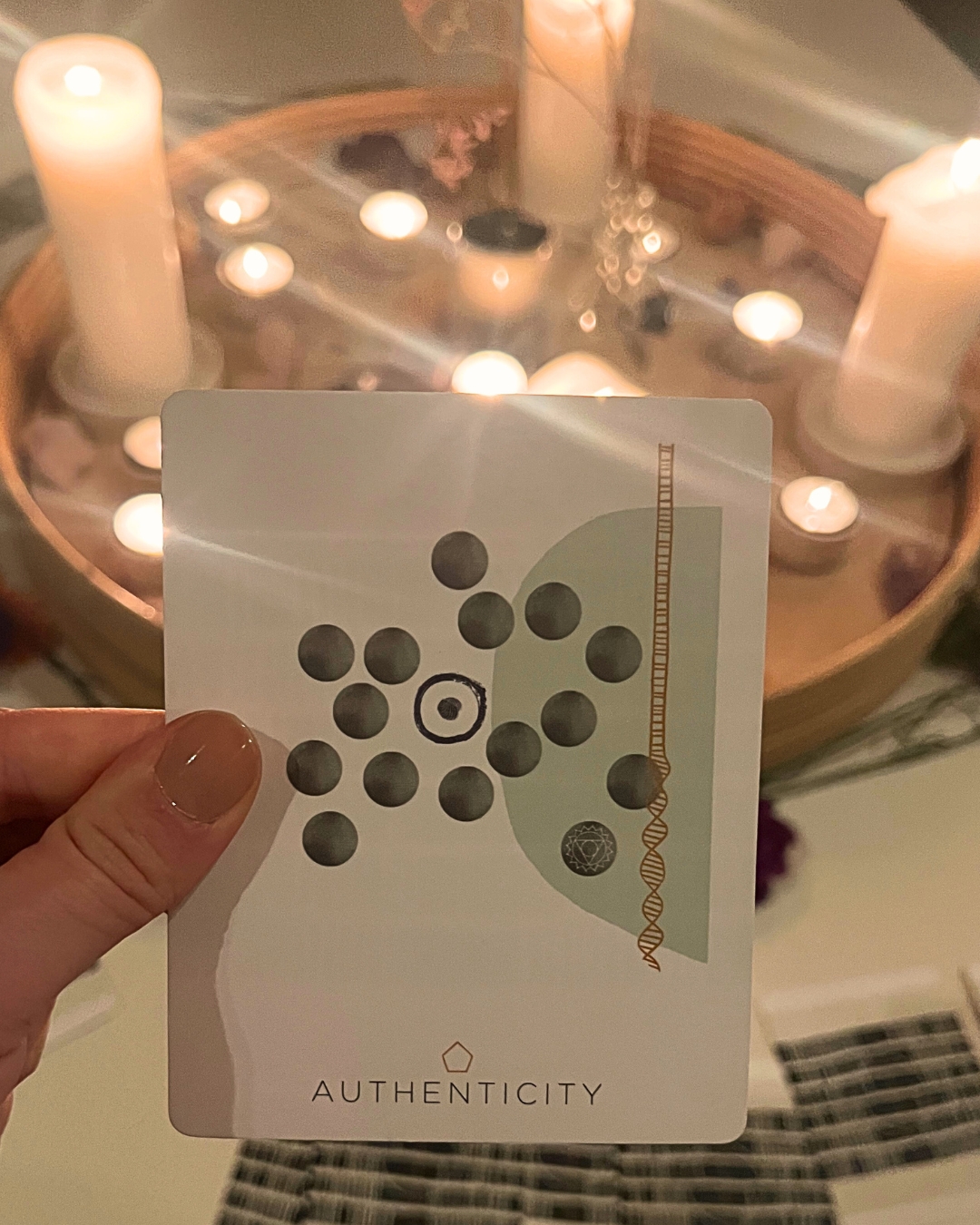
In dit proces leerde ik dat authenticiteit belangrijk is. Dat ik mijn eigen weg mocht volgen en dat elk pad naar herstel voor iedereen anders is. Ik zocht steeds meer rust en stilte op voor mijn lichaam, werkte ik aan mijn verbinding met mezelf, nam vaker vrij van mijn werk en deed leuke dingen samen met anderen.
Wat ooit begon als een nieuwsgierigheid vanuit mijn werk met huidproblemen, werd ineens een persoonlijke zoektocht naar balans en herstel op zowel lichamelijk als emotioneel vlak. En zo nam mijn interesse en toepassing van Ayurveda opeens een hele andere wending. Ayurveda bood mij handvatten om niet alleen mijn lichaam te ondersteunen, maar ook mijn geest tot rust te brengen. Het werd een leidraad in mijn herstelproces, een manier om weer verbinding te maken met mezelf en mijn natuurlijke ritmes te respecteren. Hierdoor kreeg ik weer vertrouwen in mijn eigen kracht en het vertrouwen dat heling mogelijk is, ook na zo’n ingrijpend verlies.

Daarom schrijf ik dit blog: om jou te inspireren. Het meemaken van een miskraam is helaas nog lang niet genoeg bespreekbaar. Het afgelopen jaar heb ik me vaak alleen gevoeld, ondanks dat ik een lieve partner heb met wie ik veel kan praten. Praten met vrouwen die hetzelfde hebben meegemaakt gaf me een gevoel van begrip en verbondenheid: het gevoel dat je niet alleen bent. Vaak hoorden we hetzelfde advies van artsen en hadden we dezelfde vragen na de gebeurtenis van een miskraam.
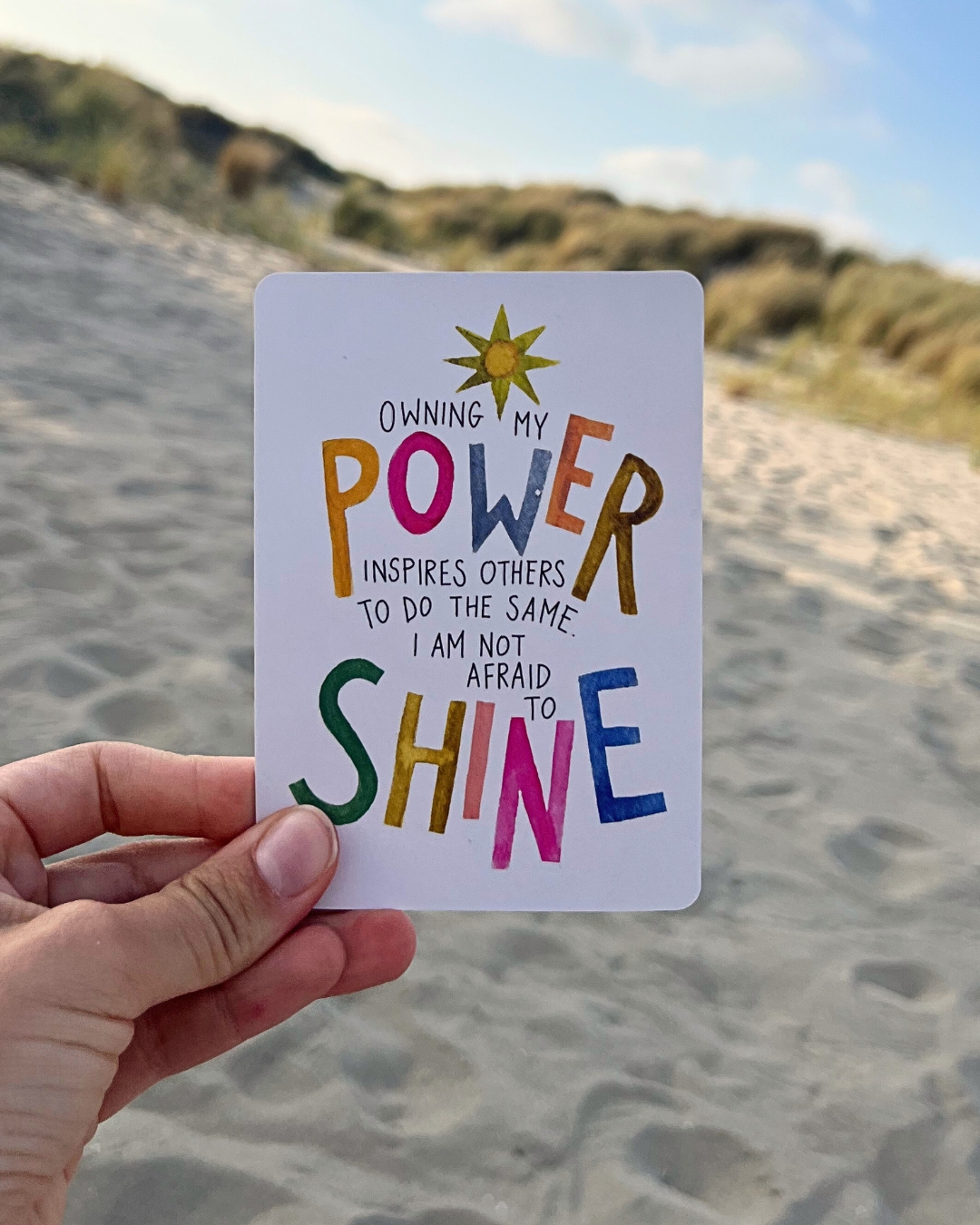
Als je dit leest en je herkent jezelf in mijn verhaal, wil ik je laten weten dat je er niet alleen voor staat. Het verwerken van een miskraam is zwaar en vaak onzichtbaar, maar samen kunnen we elkaar steunen en sterker maken. Voel je daarom altijd vrij om contact met mij op te nemen—of je nu je verhaal wilt delen, vragen hebt, of gewoon even wilt praten.

Liefs, Fabienne

Mail: info@dev.huidpraktijkrhoon.nl
Instagram: fabiennekonings (DM)
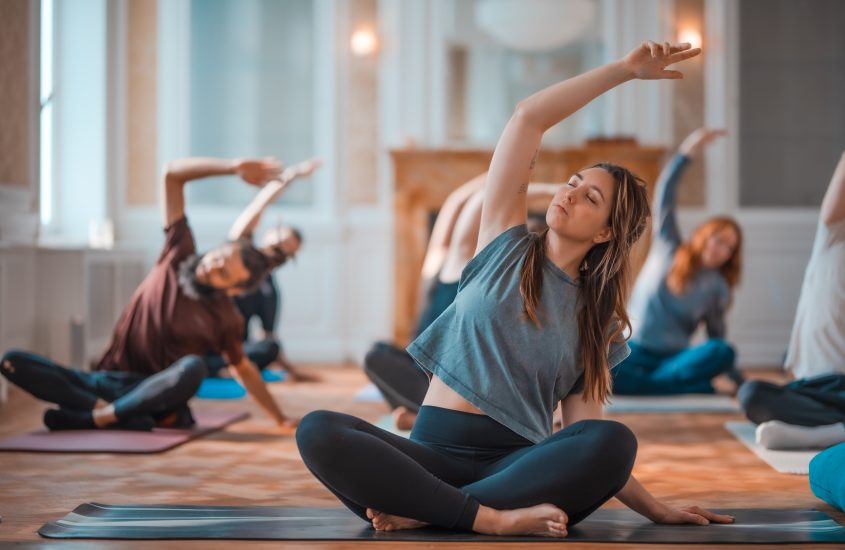
My Journey Into Yoga – How It All Began

I’m naturally quite energetic, always on the move, and often all over the place. My mother once said: “Try yoga, it will calm you down.” So I took a few classes with a One Fit membership, but honestly? I quit after just two sessions. It moved too fast, and I mostly looked around to see what I was supposed to do. Not a success.

Still, something kept tugging at me. I knew that yoga isn’t really about how flexible you are, but about what it does for you internally. So I started practicing at home with online videos, to feel more confident in the poses and less distracted during a class.

Then suddenly, my life changed. My 13-year relationship ended, I moved, and had to start over. That’s when I truly felt: now I need yoga. I joined a yoga studio in Rotterdam.

Yoga has helped me calm my thoughts, create space between feeling and reaction, and stop taking every thought in my head so seriously. I got to know myself better than ever before.

After I found that balance within myself, it inspired me to share it with others and to combine it with my work as a skin therapist.

What I see time and time again is that many skin issues are linked to stress. Think of acne, eczema, or rosacea — the body often tells us more than we realize. Yoga isn’t a miracle cure that will instantly solve your skin problems — it’s not that simple.

But it can be a valuable first step. A way to calm your nervous system, deepen your breath, and reduce the production of stress hormones like cortisol. And that has an effect — on your skin, yes, but even more so on how you feel in your body.

That’s where the connection lies for me: working on the outside, with attention to the inside.

How Meditation, Nutrition, and Yoga Can Revitalize Your Skin and Improve Health

In a society where everything moves quickly, we also want to see fast results. When we have a headache, we quickly reach for paracetamol, while a headache usually wants to tell you that you might have taken on too much in the last few days and that you need to slow down. The “pressure” literally becomes too high.

To speak from my own experience, this is often the case with skin problems as well. From my experience as a skin therapist, I can say that many issues ultimately stem from stress, which is often chronic. It also makes it clear that skin problems often reflect what is happening in our bodies and mind.

Coping behaviour can be a result of stress on the body. Think about smoking, drinking alcohol in various amounts, poor nutrition, picking at the skin, or scratching/pinching. This is often unconscious behaviour. Many people do not connect their old habits to current complaints because they have “always done it this way.” The body can give signals for years that we ignore until it manifests in a way we can no longer overlook. Often, I see fatigue accompany skin issues, as well as digestive problems, emotional issues, weight changes, palpitations, or breathing problems. Unfortunately, this is often seen as normal. But these are precisely the signals your body is sending you. We have simply forgotten how to feel or listen to these signals.

As I mentioned at the beginning of my article, we live in a society where we just want a cream or a pill for the aforementioned complaints and skin problems. Of course, this can make a difference, but often these are short-term solutions.

Therefore, I want to inspire you towards a long-term solution. So, let’s start at the beginning. It’s time to turn inward again, go back to basics, and learn to listen to the signals from our bodies. But be aware, that this is not a quick fix. This requires discipline, awareness, and a lifestyle change.

  1. Meditation
    Many people are unaware of their feelings and thoughts, especially in our busy society. Meditating for 10 to 20 minutes daily provides the opportunity to pause and turn inward. This allows you to observe your thoughts and emotions without reacting immediately, leading to greater self-knowledge and inner peace. Meditation creates space for self-reflection, reduces stress, and helps you view situations from a distance. This results in clarity, enabling you to make more conscious, healthier choices in daily life.

Everyone nowadays has a Spotify account filled with guided meditations. Find someone you connect with and whose voice you enjoy. I find the meditations by Michael Pilarzich very pleasant; give it a try if you don’t know where to start.

  1. Nutrition
    What I often hear in practice is, “Yes, but I eat healthily.” My first question is, “What is your definition of healthy eating?” This can vary from person to person. Furthermore, I don’t believe in a single dietary pattern that is universally healthy for everyone. This perspective is more aligned with Ayurveda and orthomolecular therapy. Here are a few practical tips for a good start:
  • Eliminate soft drinks from your daily routine. Alcohol too, of course. 😉
  • Plan and prepare your meals.
  • No more processed or packaged snacks. Make your own instead!
  • Start your day with a healthy breakfast; this ensures a good start. People are often more motivated to choose other meals and snacks more consciously afterwards.
  • Opt for lavender tea, chamomile tea, mint tea or ginger tea.
  1. Sleep
    Implement an improved sleep pattern. I don’t need to explain that sleep is essential for the recovery of body and mind. A lack of sleep can affect not only your energy levels but also your skin, hormones, and mental clarity.
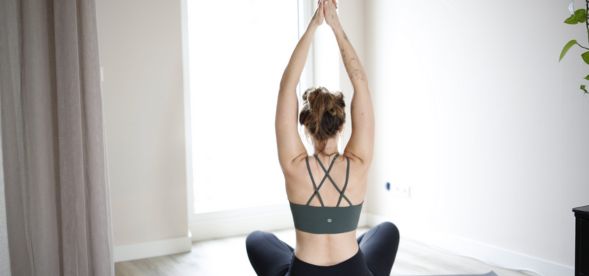
  2. (Yin) Yoga!
    You might be thinking: “What will body poses do for my skin?” Well, yoga has a rejuvenating effect on your body. This has to do with fascia. Fascia, the connective tissue that surrounds muscles, organs, and other structures in the body, plays an important role in Yin Yoga and can have a rejuvenating effect on both body and mind. By providing prolonged stretching and relaxation during Yin Yoga, flexibility increases and muscle tension decreases. This improves circulation, allowing oxygen and nutrients to be transported better to the cells, resulting in a healthier and more youthful appearance. Moreover, the calming nature of Yin Yoga helps to reduce stress, contributes to better mental and emotional well-being, and fosters a deeper connection between body and mind.

You can easily start a Yin Yoga class by playing a YouTube video at home. Starting doesn’t have to be difficult. Motivate and discipline yourself in this. However, nothing beats attending a yoga class in a pleasant space, where you are personally guided by an instructor. He or she can also correct you so you know you’re in the right pose.

I hope this article has provided you with some insight into finding balance, peace, and routine in daily life. You could say this is a beautiful beginning to returning to yourself. However, often you need to make a complete 360-degree turn. Learn to evaluate your relationships, for example. Are the people you interact with daily good for you? Do they give you energy, or do they drain it? Also, think about your job. Do you go to work every day with joy? Or is it time for something new?

If you do what you have always done, you will get what you have always gotten. And with that, I will conclude the article.

Namaste, dear all!

The Brain-Skin Connection: how does stress affect skin health?

Have you ever experienced a period or moment when your skin reveals that your body is under stress? For instance, by developing a pimple, or after a long stressful period, you look in the mirror one day and think, “Why do I look older?.” Curious about how this happens and how you can prevent it? Let’s find out how we can stay young and youthful!

Stress is a biologically generated reaction to potential danger. The fight-or-flight response is a defence mechanism that occurs when the brain detects acute danger. This can cause intense feelings of anxiety or stress, prompting the body to prepare to either fight or flight. During this dilemma, numerous stress hormones surge through the body to provide you with more oxygen and strength to run away from the danger or confront it.

When we give an important presentation, get stuck in traffic, or worry about the latest news, a form of stress is internalized. And this all begins in the brain. The hypothalamus, the part that controls your hormones, releases the so-called “adrenocorticotropic hormone” during times of stress. This triggers the pituitary gland, a pea-sized gland located at the base of the brain, behind the nose and sinuses. This gland then releases adrenocorticotropic hormone (ACTH) and stimulates the adrenal glands to produce the stress hormone ‘’cortisol’’. Cortisol is the primary stress hormone, and fortunately so, because this hormone helps you significantly when you need to quickly run away from a threatening situation.

However, when you produce cortisol and this hormone is not used for its intended purpose (fighting, flight, etc.), this accumulation negatively affects the body’s well-being. A buildup of stress hormones causes an inflammatory response in the body. This suppresses the immune system, making you more susceptible to infections from acne-causing bacteria, and there is also a chance that the skin’s oil production increases.

These two factors are the perfect combination for causing skin inflammation, a so-called pimple or acne.

Additionally, cortisol is responsible for the production of sebum in the skin. When there is too much sebum, it can combine with dead skin cells to create a white bump, known as a comedone. This white bump traps P. acnes bacteria, allowing them to thrive. In this way, you create a perfect living environment for bacteria, resulting in a pimple or acne.

It’s difficult to avoid stressful situations. As mentioned earlier, we occasionally get stuck in traffic or have to engage in an important conversation at work that brings some form of stress. These situations are unavoidable, but we can try to change our reaction to them so that cortisol production doesn’t become excessively high. We know now that cortisol gives you the strength to move forward, to fight or flight. You can also make good use of this strength by practising a sport. Sometimes you just need to vent your anger or frustration, and a popular way to do this is boxing. Many people find relief in literally punching out all their strength and anger, which helps them to then put situations into perspective.

Furthermore, I want to briefly mention that your coping strategy (the way you react to a situation) in response to stress can indirectly have a negative effect on your skin. Think, for example, of scratching the skin, biting, or picking. Additionally, behaviors and lifestyle habits such as drinking alcohol, smoking, or eating unhealthily in large quantities also negatively impact the skin.

I could list many more solutions for dealing with stress, but the moral of this story is to make you aware that stressful situations do indeed impact our well-being. Find a method that works for you to cope with stressful situations. For instance, you could consider meditation or yoga. Both are proven methods for relieving stress.

Good Luck, and feel free to ask.

With love, Fabienne

What is Ayurveda?

The body and mind are interconnected and constantly influence each other. Emotional stress, for example, can cause physical symptoms such as headaches or digestive problems, while physical pain can exacerbate emotional tension. As we are increasingly dominated by fast-paced living and stress in our lives nowadays, many people are turning more and more to a holistic approach to well-being, which addresses both the body and the mind. By treating both aspects of human well-being, we can gain a deeper understanding of the causes of health problems.

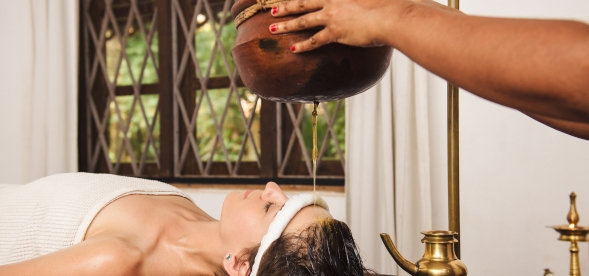
One such approach/method that is gaining popularity is Ayurveda. This is an ancient healing system that originated in India over 5000 years ago. Translated from Sanskrit, “Ayur” means life and “Veda” means knowledge. Ayurveda thus means the knowledge of life.

Although Ayurveda is not very well known in the Western world, it is the only non-allopathic medical system fully accepted and recognized by the World Health Organization (WHO). In other words, Ayurveda is the only alternative healing system recognized by the WHO. The recognition of Ayurveda by the WHO means that it is considered a valuable source/method of healthcare.

It is important to note, however, that recognition by the WHO does not necessarily mean that all aspects of Ayurveda have been scientifically proven or that it is considered a replacement for conventional medical treatments. Rather, it emphasizes the importance of preserving and integrating traditional medical practices into the broader healthcare system, especially in cultures where these practices are deeply rooted.

Meeting in the Middle
To get the best of both worlds, a collaboration between Eastern and Western medicine would be beneficial, in my opinion. Combining conventional Western medical approaches with complementary and alternative therapies, such as acupuncture, herbal medicine, and Ayurveda, is called Integrative Medicine. By integrating these approaches, patients can benefit from a wider range of treatments that address both physical and mental aspects of health.

Turning the Tide
As a skin therapist, I help people with skin problems achieve healthy, even skin. I’ve been doing this for 4 years. And in those 4 years, my biggest insight has been: skin problems often stem from stress. In such cases, an approach focused only on skincare and treatments is often not sufficient, and results lag behind. Much to the deep frustration of clients.

A holistic approach to (health) issues has caught my attention for years and has led me to decide to pursue basic training in Ayurveda. Perhaps this will enable me to inspire, inform, and provide tips and advice on a broader level!

Stay tuned!

Love, Fabienne

5 Tips to Prevent Skin Irritation While Cleansing

If you clicked on this article, you probably already cleans your skin daily. That’s great! But now you probably want to know if you’re doing it the right way. In this article, I’ll outline some tips for you:

  1. Choose the right cleanser This is arguably the most important tip. There are many different cleansers on the market, and I understand that it can be overwhelming to choose. We all know the standard rule that if your skin feels oily at the end of the day, you probably have oily skin. And if your skin feels dull and tight, it’s likely dry. But sometimes you may still struggle with these issues. In that case, you’re probably not using the right cleanser. The best thing you can do to determine if you’re using the right skincare is through a skin analysis. With the Observ 520, photos of your skin are taken to assess its condition and tailor the right products for you.
  2. Use lukewarm water A common mistake we often see is rinsing the skin with hot water. I understand that this may be comfortable, but it’s ultimately harmful to your skin. It disrupts your skin barrier, leading to skin irritation.
  3. Wash your hands Before cleansing your skin, make sure your hands are clean so that you don’t spread any bacteria from your hands to your face.
  4. Avoid using a cleansing brush I recommend against using cleansing brushes because they can damage your skin, disrupting your skin barrier. If you wear heavy makeup daily (such as thick layers of stage makeup or in a film studio), then a cleansing brush might be useful. But for removing daily makeup, a cleansing product should suffice. This also saves you money because cleansing brushes can be expensive!
  5. Don’t over-scrub Daily scrubbing of the skin is something I definitely discourage. A scrub removes dead skin cells more aggressively than a cleansing product. However, if you do this daily, you’re actually removing too many dead skin cells – which are part of the microbiome and protect your skin. Therefore, limit this to once a week at most, and preferably with a gentle exfoliant.

Feel free to reach out with any questions. Good luck!

Love, Fabienne

Wat betekent jouw lotsgetal?

Naast je horoscoop – die je inzicht geeft in je persoonlijke vaardigheden en eigenschappen – bestaat er ook nog zo iets als je lotsgetal. Je lotsgetal is het totaal opgetelde cijfers van je geboortedatum. Volgens de numerologie (filosofie en wetenschap van getallen) beschrijft je lotsgetal in grote lijnen de reis die je zal meemaken in je leven, je missie en persoonlijke eigenschappen.

Side note
Het berekenen van je lotsgetal staat los van het uitoefenen of aanroepen van bovennatuurlijke krachten om mensen of gebeurtenissen te beïnvloeden. Astrologie en spiritualiteit helpen mij in het ontwikkelen van persoonlijke ontwikkeling en groei. Vaak worden de woo-woo vibes en hekserij hiermee geassiocieerd. Maar anno 2021 vind ik dat dit soort onderwerpen echt geen taboe meer hoeven te zijn.
Soms beland je wel eens in situaties waarin je het gevoel heb dat je vastloopt, niet goed weet wat je wilt of jezelf even helemaal kwijt bent. Dan is het neerleggen van een paar tarotkaarten, je geboorte chart onder de loep nemen of de betekenis van je lotsgetal lezen soms wel eens fijn. Het geeft je inzicht. En dit betekend niet dat dit perse ”de waarheid” is, maar het gevoel van: oja dit klopt wel en ik kan me hier wel in vinden, brengt je dan soms verder en biedt je perspectief.

Bereken je lotsgetal
Je lotsgetal berekenen doe je als volgt: tel alle cijfers van je geboortedatum bij elkaar op, net zo lang totdat je één getal overhoudt. Voorbeeld: 23-11-1990 = 2+3+1+1+1+9+9+0 = 26 = 2+6 = 8.
Geboortegetal = 8

Lees hieronder de betekenis van jouw lotsgetal:

1: De Magiër

  • Ondernemend, geboren leider en coach;
  • Actief, wilskracht, ambitie en macht. Ze zijn creatief, vastberaden, oprecht en levendig;
  • Hebben ook een dominante kant. Ze nemen niet snel dingen aan van andere;
  • Ontwikkelen van zelfvertrouwen is belangrijk;
  • Zijn praktisch ingesteld. Wat ze leren willen ze gelijk uitvoeren. Hierdoor zijn ze vaak handig.

2 : De `Hogepriesteres

  • Gever, sterk ontwikkelde intuitie, tactvol, zachtmoedig, zeer gevoelig en ijverig. Bezitten veel wijsheid;
  • Vinden het moeilijk om voor zichzelf te kiezen, heeft veel liefde te geven en stelt zich graag ten dienst van andere;
  • Heeft vaak behoefte aan gezelschap en kan zich makkelijk aanpassen;
  • Interesse in spiritualiteit, verdiept zich in het bovennatuurlijke.

3: De Keizerin

  • Dromers, indiualistisch, ondeugend, fijngevoelig en een groot inlevingsvermogen;
  • Creatief, sterkte verbinding met de aarde en de natuur, interesse in kunst, cultuur, kruiden- en natuurgeneeskunde;
  • Wordt door andere vaak beschouwd als levensgenieter, chameur en charismatisch;
  • Kan kritisch en synisch zijn, soms pessimistisch.

4: De Keizer

  • Gedisciplineerd, vastberaden en gediciplineerd. Harde werkers, doelgericht, praktich en sterk analytisch. Zowel lichamelijk als geestelijk. Sterkte concentratie;
  • Tonen minder snel emoties, wél humoristisch;
  • Zijn betrouwbare types en komt zelfverzekerd. over;
  • Vieren worden niet graag gecommandeerd. Kunnen het lastig vinden een baas boven zich te hebben;
  • Het ontwikkelen van flexibiliteit is een uitdaging.

5: Hogepriester

  • Houden van hun vrijheid en van verandering. Vinden zelfontwikkeling belangrijk, streven naar innerlijke groei;
  • Uitdaging is het verlangen naar bevrediging en en vernieuwing in balans te brengen;
  • Past het beste bij een partner waar hij/zij verlangens en avonturen mee kan delen;
  • Houdt van geld, en vooral om het uit te geven. Durft bij het maken van geld ook zeker risico’s te nemen;
  • Als de vijf niet lekker in zijn vel zit kan hij/zij compleet omslaan;
  • Eerlijkheid komt op de eerste plek. Een vijf kan slecht stiekem zijn/doen, dit brengt schuldgevoel met zich mee.

6: De Geliefden

  • Zorgdrager, vriendelijk en echte familiemensen. Kan ook onzeker zijn, twijfelaar;
  • Houden van stabiliteit, zijn standvastig en rechtvaarig;
  • Wilt het liefst omringt zijn met mensen om hem/haar heen. Kan slecht alleen zijn;
  • Kans soms lijken of er 2 persoonlijkheden in hem/haar zitten waardoor er veel twijfel ontstaat. Kan moeilijk kiezen;
  • Zessen zijn zeer vriendelijk, maar hebben een venijnig randje.

7: De Zegewagen

  • Intelectueel en filisofisch ingesteld. Kunnen situaties heel goed observeren en analyseren. Hebben vaak ook een vleugje mystiek;
  • De zeven is een echte denker, is leergierig en vinden wetenschap en onderzoek belangrijk;
  • Hebben vaak een rustig karakter, zijn beschaaft en stralen dit ook uit;
  • Kan vaak in zijn/haar eigen droomwereld leven waarbij de grond nauwelijks geraakt wordt en daarbij de grip op de werkelijkheid en het leven verloren;
  • Een zeven is een echt gevoelsmens. Uitdaging is om evenwicht te vinden aan de behoefte aan structuur en aan verandering.

8: Gerechtigheid

  • Ambitieus, energiek, scherp en streeft naar succes. Zijn prettig in omgang;
  • Zijn gedreven in hun werk, organisatorisch erg sterk, oplossingsgericht en leert van zijn/haar ervaringen;
  • Zijn vaak nieuwsgierig van aard, wilt graag weten wat er achter de schermen bij andere afspeelt. Dit kan tot innerlijke frustyratie leiden. Als dit uit de hand loopt kan dit leiden tot sterke jaloers gevoelens en achterdocht;
  • Streven naar succes en houden van geld uitlgeven. Kunnen hierdoor materialistisch worden;
  • Is niet perse een prater, in een negatieve bui kan de acht alles opkroppen.

9: De Kluizenaar

  • Zijn vergevingsgezind, kunnen zichzelf vergeten, spiritueel, gevoelig en menslievend;
  • Werkt graag samen met andere mensen en is daarin creatief en effcient;
  • Staat graag in de belangstelling;
  • Kunnen koppig en besluiteloos zijn waardoor ze stagneren. Meer assertief zijn en keuzes kunnen maken zijn uitdagingen voor de negen.

Er zijn onder de nummerologie ook nog meestergetallen. Deze dubbele getallen komen niet vaak voor. Ze hebben als het ware een hogere ”trillingswaarde” dan andere getallen.

11:

  • Onafhankelijk, charmant en vriendelijk
  • Kan goed hun willetje opdringen aan andere zonder daar veel moeite voor te doen;
  • komt op andere mensen als verstandig en wijs over;
  • Inspirerende en opgewekte personen die groot kunnen dromen;
  • De betekenis van dit geboortegetal gaat samen met het getal 2.

22:

  • Kunnen in moeilijk situiaties goed relativeren en het leven vanuit een helicopterview bekijken;
  • Kunnen andere mensen goed aansturen en motiveren waar nodig;
  • Analyseren is een van hun grootste kracht;
  • Wilt van de wereld een betere plek maken;
  • De betekenis van dit geboortegetal gaat samen met het getal 4.

33:

  • Ervaart het leven en emoties sterk(er), zijn zeer vriendelijk en bescheiden;
  • Is eerder een gever dan een nemer, verwacht vaak niets terug wanneer hij/zij iets voor een ander doet;
  • Kunnen erg twijfelen over zichzelf, zijn vaak perfectionistisch;
  • Maken veel mee in hun leven,
  • Zijn vaak oude zielen, wijze mensen met een genezend vermogen. Bieden een luisterend oor aan en geven je advies vanuit hun hart waar nodig;
  • De betekenis van dit geboortegetal gaat samen met het getal 6.

Mocht je bekend zijn met de tarot: de eerste 9 getallen komen overeen met de eerste 9 kaarten van de grote arcana. Meer weten? Stuur mij dan een berichtje!

Liefs, Fabienne

Bronnen:
Peters, F. (2021). Numerologie: dit betekent jouw geboortegetal. Geraadpleegd op 16 november 2021 op: https://www.happinez.nl/spiritualiteit/numerologie-wat-zegt-jouw-geboortegetal/

Bloom.nl (2021). Je geboortegetal is… Geraadpleegs op 16 november 2021 op: https://www.bloom.be/blog/ontdekken/7

Den Ouden, F. (2021) Geboortegetal… Geraadpleegs op 16 november 2021 op: https://symbolicgids.be/numerologie/geboortegetal/geboortegetal-7/

How to Layer Your Skincare Products in the Right Order

At work, I often receive valid questions about the correct order of skincare products. I understand where this question comes from because there are quite a few steps involved. Below is a brief overview of the “basic products” that are most commonly used, along with a short explanation.

1: Makeup remover
Remove your makeup before cleansing your skin. Tip: Imagine you unexpectedly don’t sleep at home and still want to remove your makeup… Use some oil to clean your eyes at least. Otherwise, you’ll wake up the next morning looking like a panda, which is not very appealing. Just use a bit of sunflower or olive oil from the kitchen on a cotton pad and gently wipe your eyes. Then rinse with water, et voila 😉

2: Cleanser
Cleansers are meant to cleanse your skin, not to remove makeup. Use a cleanser that suits your skin type. Gel-based cleansers are often suitable for oily skin, while creamier cleansers are better for dry skin. When: Evening, sometimes also in the morning for very troubled or oily skin.

3: Exfoliate
Exfoliating your skin involves removing dead skin cells. If you have oily skin, use an exfoliant with BHA. If you have dry skin, use an exfoliant with AHA. By removing dead skin cells, other products are better absorbed. You’re essentially removing a certain barrier layer. When: Evening.

4: Hydrate
Every skin type needs hydration. I advise everyone to find a good moisturizer; never skip this step! Hydration is key to beautiful skin. When: Morning and evening.

5: Protect
Protect your skin with a cream that contains sunscreen, also known as SPF (Sun Protection Factor). It’s important to do this to protect your skin from the harmful effects of the sun. The sun causes signs of aging such as pigmentation, wrinkles, sagging skin and dull skin. As we age, we can’t avoid these entirely, but to slow down this process and keep your skin looking young and healthy for as long as possible, protecting your skin with sunscreen is highly recommended. When? Only during the day because the sun doesn’t shine at night, of course. Apply in the morning and repeat several times a day, especially in the summer. The protective factor only works for a few hours.

Goodluck!

With love, Fabienne

Retinol in Skincare: how to use it safely?

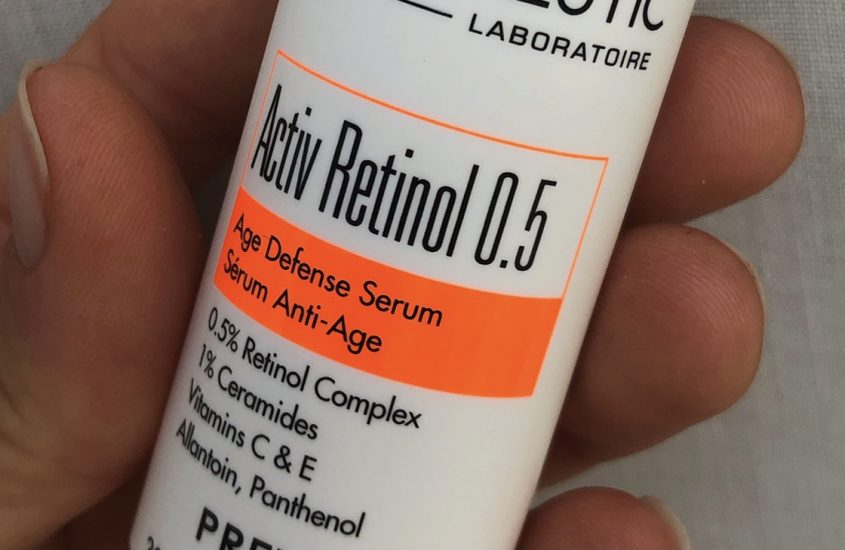
Retinol, also known as vitamin A, is an ingredient that has been extensively researched and proven to make the skin appear younger; it stimulates cell turnover. Your cells regenerate faster, and the production of collagen and elastin is boosted. This is beneficial because as the skin ages, this process slows down naturally. With aging, cell turnover slows down, eventually leading to visible signs of skin aging such as pigmentation, fine lines, and dull skin. In short, retinol is the ultimate anti-aging ingredient!

For which skin concerns is retinol suitable?
Retinol is a suitable ingredient for ageing skin. This can start as early as age 25 because that’s when cell turnover begins to slow down, along with the production of collagen and elastin. Since retinol speeds up skin renewal, it also accelerates the shedding of old skin cells. Pigment cells are essentially pushed out of the skin through this cell turnover. Additionally, fine lines can be reduced by using retinol because they result from the decrease in collagen and elastin, the production of which is stimulated by retinol. These two substances help keep the skin firm and elastic.

How do you use retinol?
However, retinol is not always suitable for every skin type. Some skin types may react sensitively to retinol. It’s important to gradually introduce retinol into your skincare routine. Start with once a week, then twice a week. It’s good to know that retinol is an antioxidant and therefore cannot tolerate light and air. Therefore, only purchase products with retinol that are in light- and airtight packaging. Also, use retinol only in the evening, as it becomes unstable in sunlight.


The difference between serum and moisturizer.

The function of a serum A serum can be used as an addition to your skincare routine because it targets specific skin concerns. These concerns may include issues like acne, hyperpigmentation, dehydrated skin, or dullness. A significant difference between a cream and a serum is that the percentage of active ingredients in a serum is higher, providing that extra boost where needed. Another important distinction is the texture. A serum is thinner – often a bit gel-like – allowing it to penetrate deeper into the skin. Once it reaches this depth, the serum can start working its magic. When choosing a serum, consider your skin type and decide which problem you want to address. For instance, if you have dehydrated skin, opt for a serum with hyaluronic acid. Or if you have sun-damaged skin with pigmentation issues, choose a serum with vitamin C. Unlike a cream, a serum does not contain SPF. Therefore, a serum is not a replacement for a cream. Make sure to always apply cream during the day to protect your skin.

Price tag Serums are generally more expensive skincare products compared to others. You’re paying for the percentage of active ingredients in a serum, which also needs to remain concentrated and stable. And that comes with a price tag.

Function of a cream The function of a cream is quite straightforward: the right cream (suited to your skin type) ensures hydrated skin. A cream has a richer texture and essentially seals in a serum. This creates a barrier layer that protects and hydrates your skin throughout the day.

How to use First, cleanse your face, then apply a serum suitable for your skin type and concerns, and finish with a cream. A cream also helps the serum stay in place within the skin.

If you’re curious about your skin condition and whether it can be improved, consider visiting a dermatological clinic in your area and seek advice from a skincare professional. ♥

This site is registered on Toolset.com as a development site.